I have been on holiday to Greece about a dozen times, beginning in 1971 when I was 16. I have enjoyed every single day. This one (June 2023) was no exception; in fact it may have been the best trip yet.
Anne is a genius at arranging holidays
She can sniff out great accommodation at £50 a night, plotting an itinerary with short drives between stops. I offer up this account because it was a tour of Epirus (northwestern Greece) that was interesting, relaxing and – with one exception – not too arduous for a knackered 68-year-old. And we were fortunate to avoid extreme heat and wildfires. So if this post gives you some holiday ideas, all well and good.
We took off from Stansted and landed at Actio Airport, Preveza. Actio (Actium in Latin) is where Mark Antony and Cleopatra got their comeuppance in 31BC (it’s difficult not to associate it with Burton and Taylor). Corfu is to the north and Lefkada a little to the south.
Preveza is an attractive little port with a swanky yacht harbour, and is worth a stop-over. If you walk a mile or so past the harbour you arrive at a series of serviceable beaches, mostly used by the locals. There is also a little park with a café where they offer free meze when you order a glass of wine or a beer. More expensive, but excellent, restaurants are in the old town, a block or two back from the quayside.

The following day we caught a bus from the out-of-town KTEL station to a crossroads just outside Syvota, where a taxi took us to our accommodation for the next three nights.
Villa Sandy (private apartments with a shared pool) is up the hill from the harbour and beaches: an easy walk down but a bit harder coming back up when the mercury hits 30c. That’s when taxis come in handy.
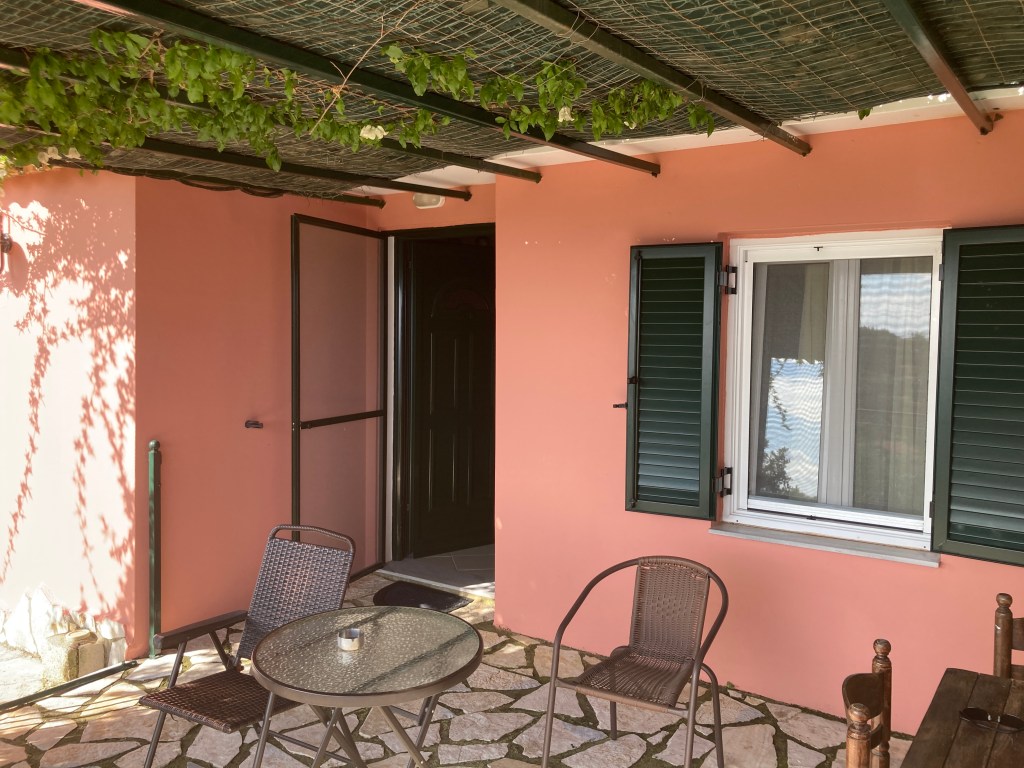
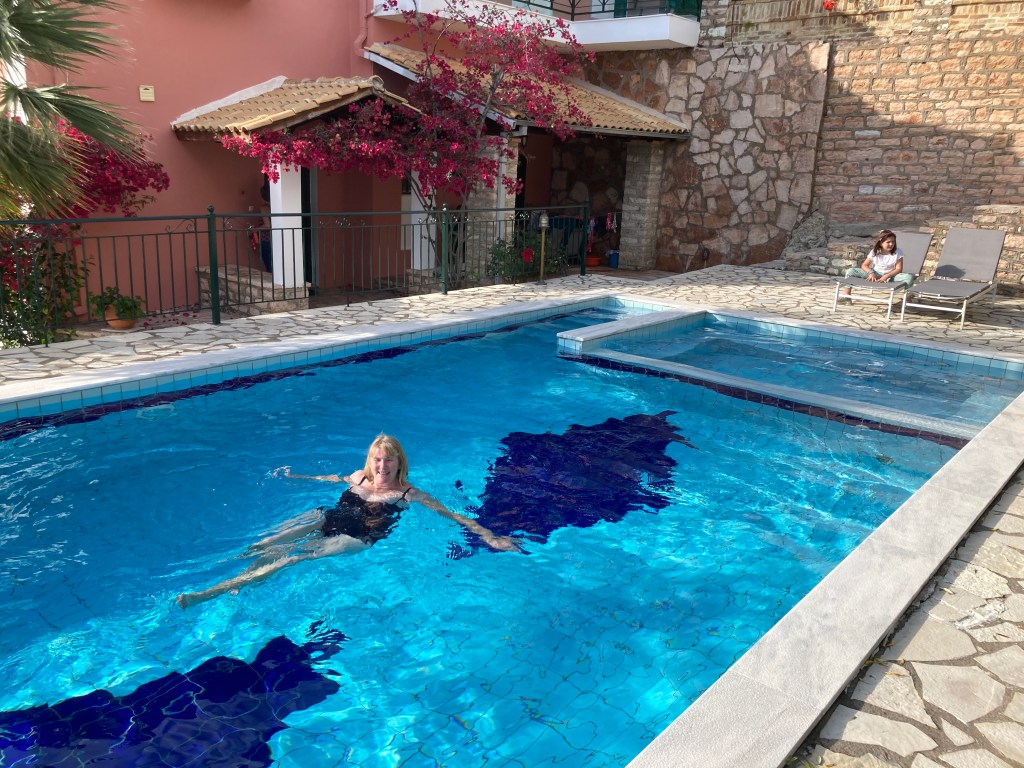
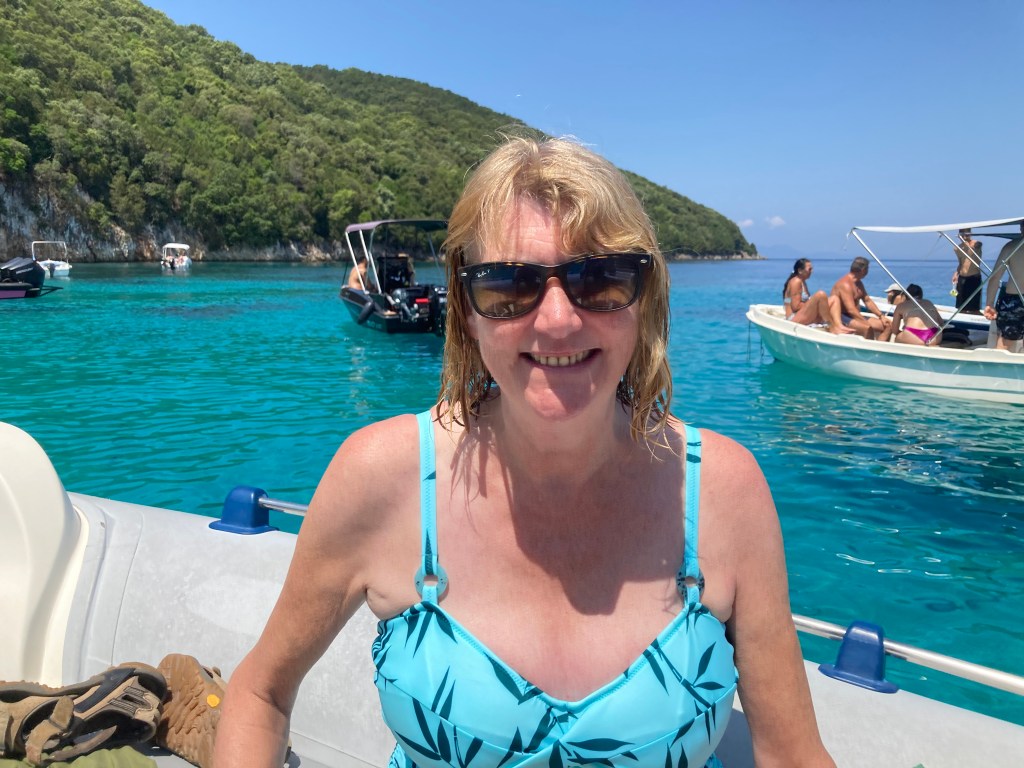

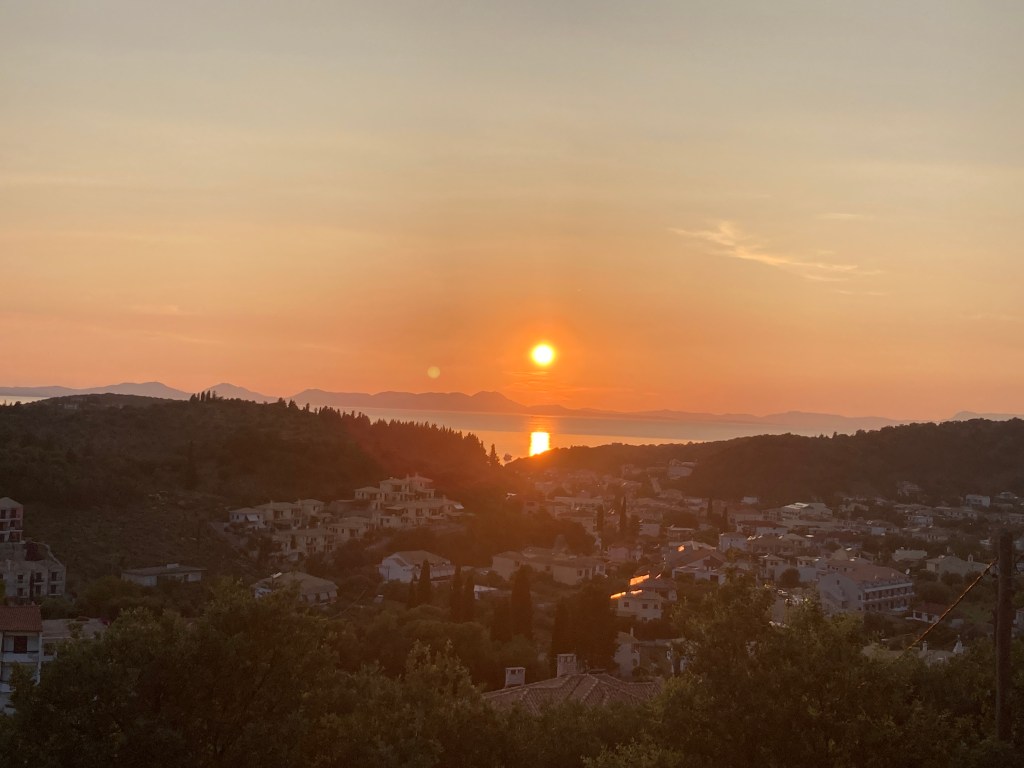
We spent a few days exploring the little sandy beaches round the bay before collecting our Fiat Panda for the next part of the trip. Experience has taught me to hire no larger a car than absolutely necessary when dealing with urban traffic and winding mountain roads.
Having said which, there is a spectacular motorway linking Igoumenitsa and Thessaloniki called Egnatia Odos. Without it, our drive would have been hard going.
***
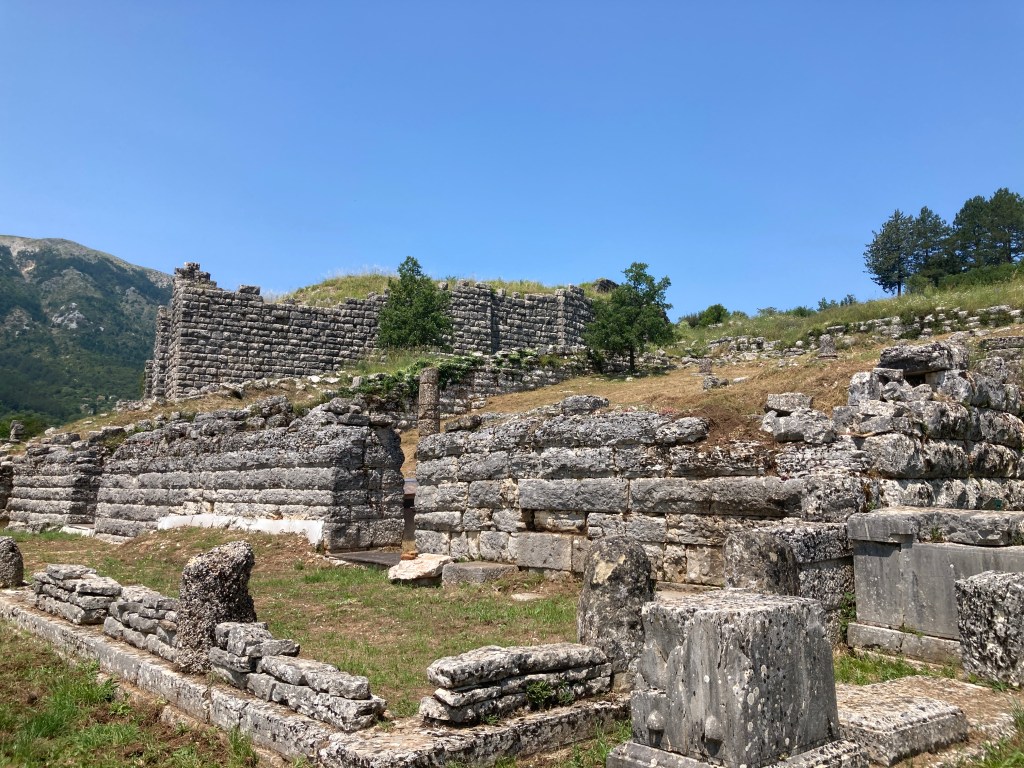
First stop was at ancient Dodona, the site of an oracle to Zeus which is even older than Delphi, although sadly depleted through numerous attacks in Antiquity. Nevertheless, it has a spectacular setting in the Pindos mountains.
Then on to Ioaninna, our base for the next couple of nights – once we had managed to locate our cunningly concealed apartment in the kastro district.
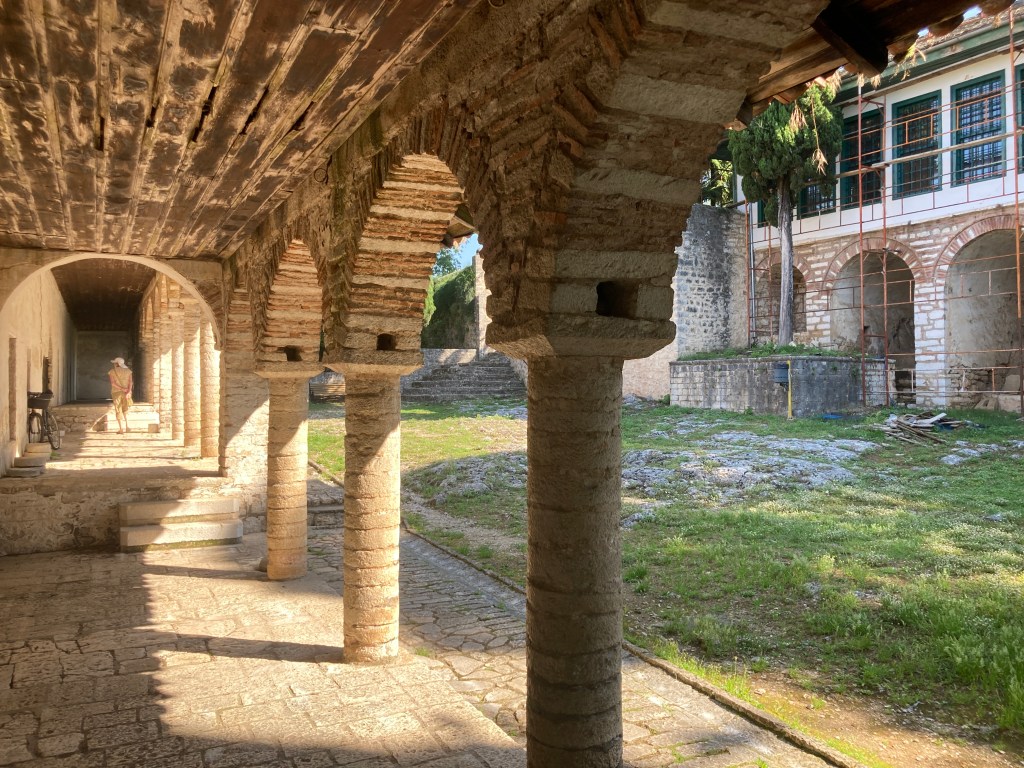
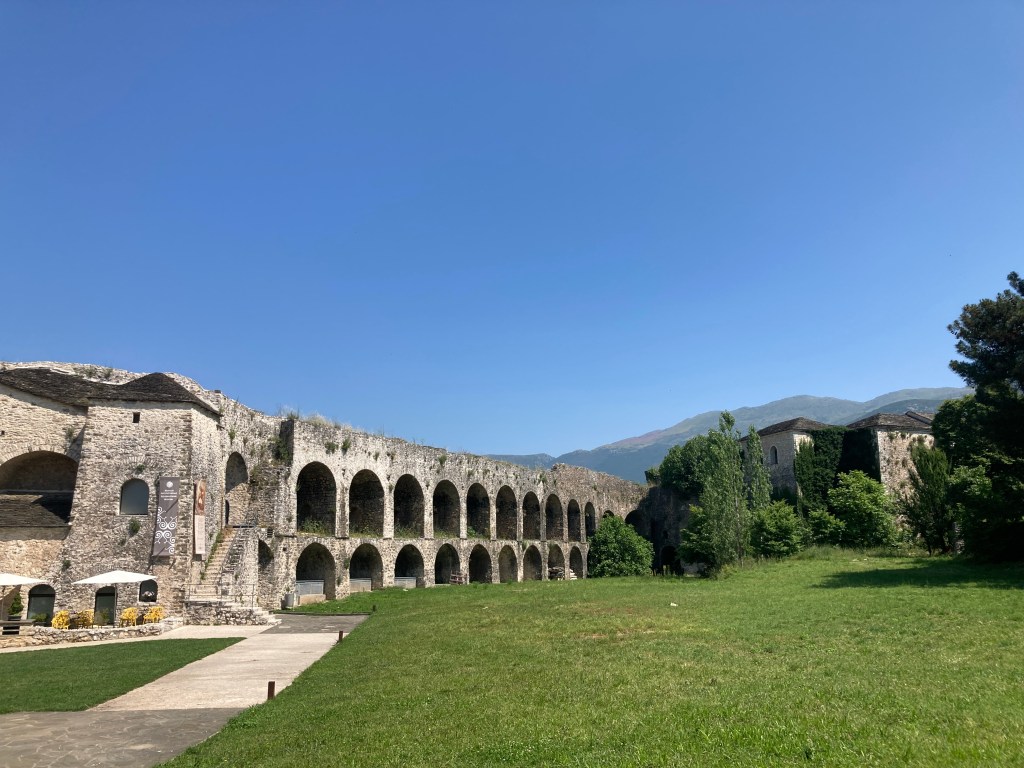
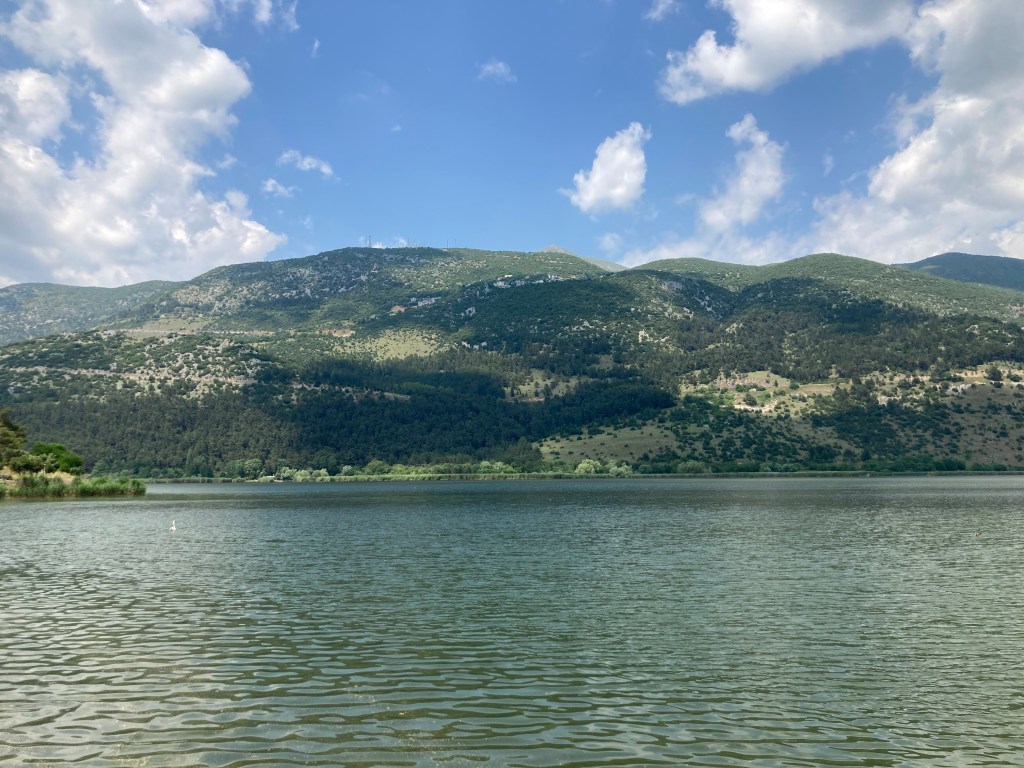
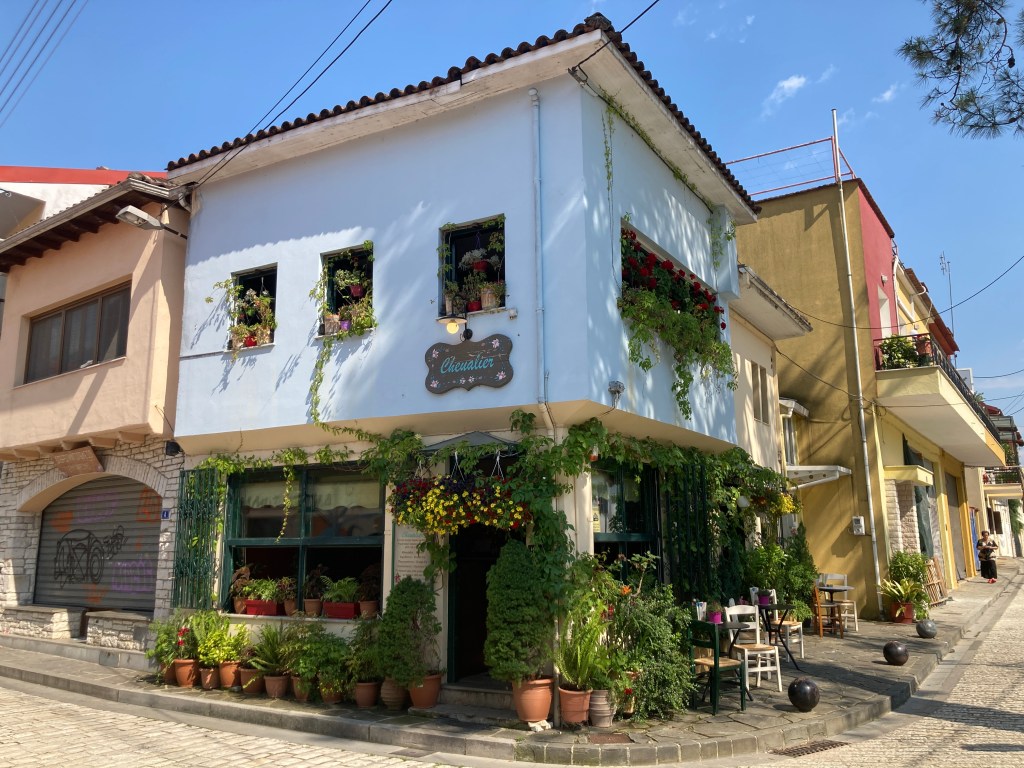
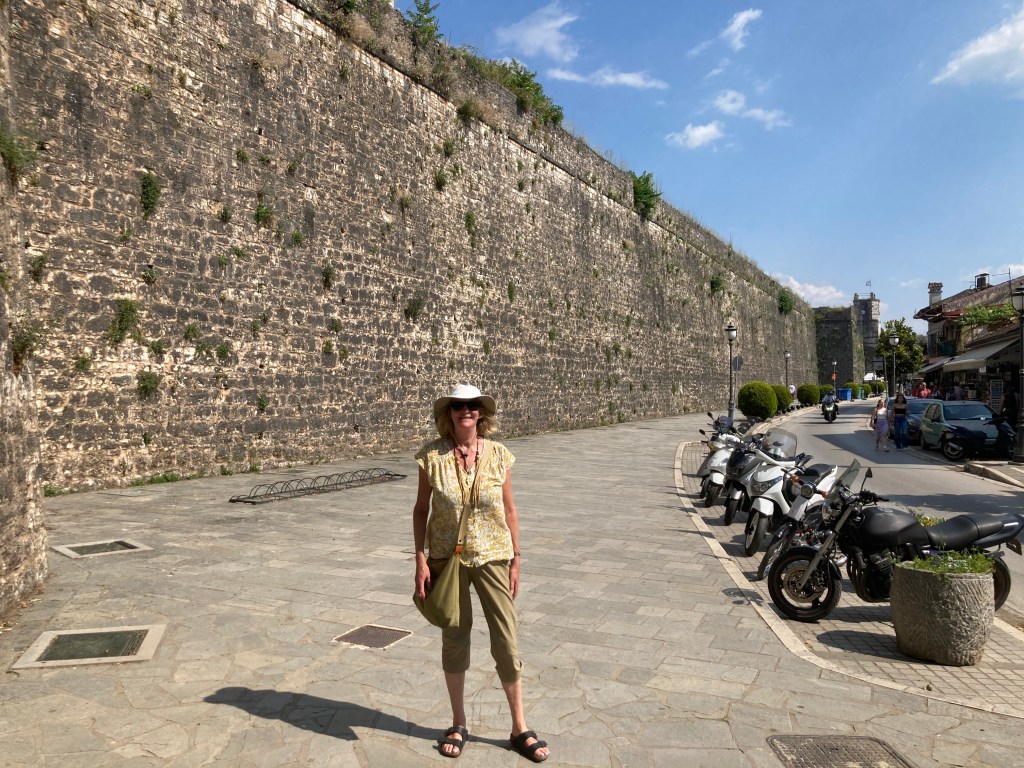
Ioannina is a large town by Greek standards (c.100,000 inhabitants), with a significant student population. It stands by Lake Pamvotis, in the middle of which is an island with a small touristy village and several monasteries. There are frequent ferries, and it’s a pleasant place to spend a half day. Ioannina is dominated by the memory and legacy of Ali Pasha, and contains his tomb and a mosque (now a historic monument) within the medieval fortress. The life and reign of Ali Pasha – an Albanian bandit who rose to great heights in the early 19th century before the Ottomans caught up with him – is a fascinating one. Unless school history lessons have changed since my day, I’m not alone in being pretty ignorant about the Balkans.


I said that I’d been to Greece many times.
But I know little of its history
I studied Ancient History to A Level (over 50 years ago!), and I am much more at ease discussing the Peloponnesian War than the War of Independence or the Civil War that succeeded the Second World War. War after war. That has been Greece’s fate.
Being able to read Greek script and knowing about Pericles and Alexander is a false friend: you may think you know quite a bit about the country when you actually know very little about the events of the last thousand years. To give an example, Athens in the 18th century was more or less abandoned and that there were many more Greeks in Alexandria or Smyrna than in that once-glorious city. It was by no means obvious that Athens rather than Nafplion would become the capital of the new Hellenic state.
Greece’s fate was decided by “great powers”
Post 1945, Greece could easily have ended up in the Soviet block with Bulgaria and Romania. It is said that Churchill was determined to “save” it. Perhaps his public school Classical education affected his judgment. If so, Greeks should be grateful to Harrow.
***
We moved on from Ioannina, which was growing on us, and headed eastwards towards the Meteora monasteries.
But first we stopped at Metsovo
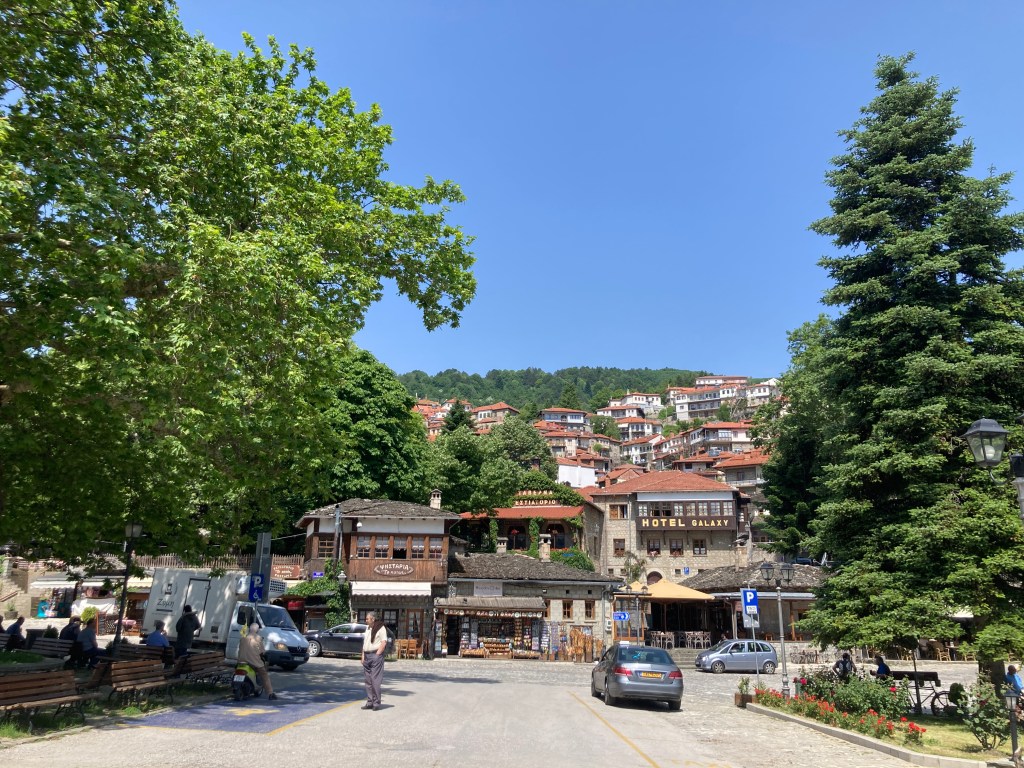
We were not hungry enough for lunch so had a stroll around the town, known as the Vlach capital. The Vlachs are herdsmen who speak a dialect of Romanian, as one can see from the restaurant menus.

We took a steep path through the countryside to the monastery of Ayios Nikolaos, with its exquisite Byzantine paintings, most of which are pre-1700. The monks make and sell wine, so we bought a bottle of white, which turned out to be very good.

After a hot climb up to the town we returned to the motorway, with its 60-odd tunnels and more than a thousand bridges.
***
Later that afternoon, after a drive that became more demanding once we turned off the Odos, we reached the dusty, functional town of Kalabaka, the base for visiting the seven famous Meteora monasteries. It also has an 11th-century Metropolis , built (as so often) on the site of a pagan temple. Note the pulpit, reminiscent of medieval mosques.

So to our next accommodation: the 1970s Pineas hotel on the edge of town with – a great boon in the heat – a large swimming pool. Lots of locals use it too but there was not another English tourist in sight.

More about Meteora, the Zagori region and the second week of this memorable holiday in my next blog.
***
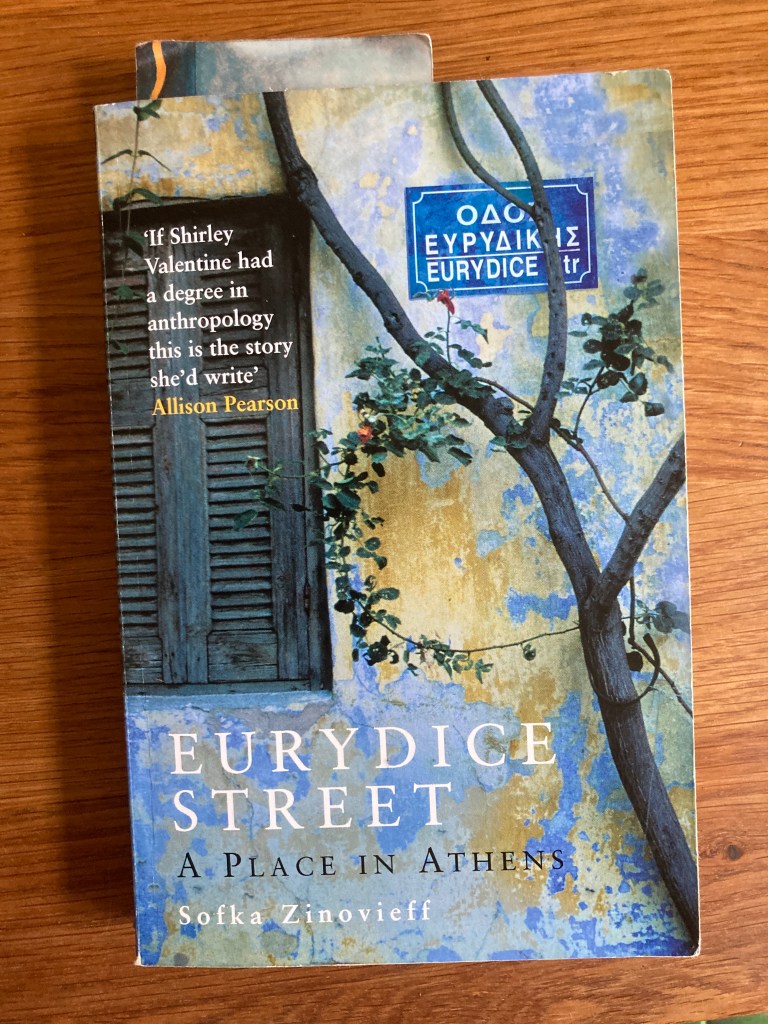
PS We have both been reading Eurydice Street by Sofia Zinovieff, the first-hand account of a Londoner (married to a Greek) learning to live as an Athenian – rather than passing through as a tourist. Recommended.
 The Wight Stuff
Fascinating and inspiring – thanks Col xxx
LikeLiked by 1 person
V. kind of you Sheen x
LikeLike