We had visited India twice before (once to Delhi-Jaipur-Agra-Varanassi, and once to Tamil Nadu and Kerala) but never previously considered going for winter sun and a swim in the sea. It is a lot further than the Canary Islands.
Nine hours to Mumbai, then a frenzied change of plane for the short hop to Goa in the middle of the night, is close to torture as far as I am concerned (especially on an aircraft that Air India euphemistically refers to as part of their “legacy fleet”). Then there’s the 5.5 hours time difference to get over. But we went, and I am glad we did – though people keep telling me how cheap it used to be, and how much it has changed since the 80s…
Yes, winter sun… but more than that
Before heading to the celebrated beaches of South Goa we stayed a few days in Panjim, the Goan capital. We arrived just after dawn and took a stroll along the banks of the Mondevi river.
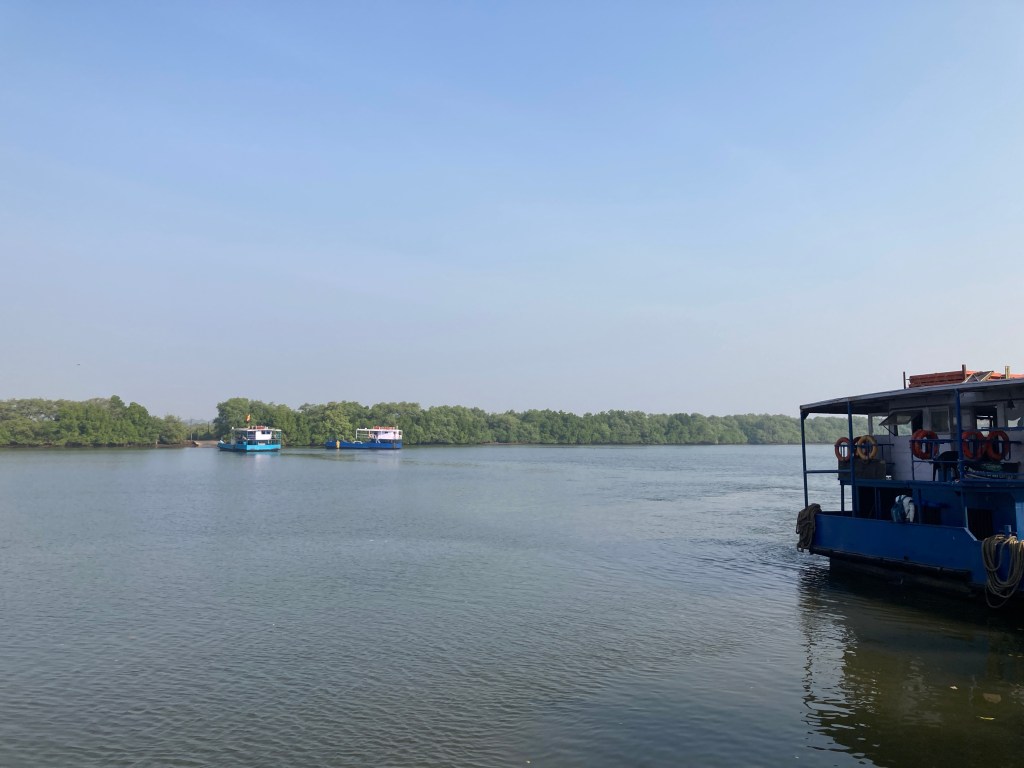
Studying Portuguese to degree level would, you might think, have taught me all about Portugal’s great maritime empire. But in fact I knew little, apart from my vague recollections of Vasco da Gama‘s exploits as recounted in Camoens’s Lusiads.
For a small nation the Portuguese were once ubiquitous
Although I have been to Portugal many times, I’ve never been to Macau or Malacca, or Brazil, or Angola or Mozambique, or East Timor (who has?) – or even Madeira, Cape Verde or the Azores. I have seen the impressive Fort Jesus in Mombasa and a few buildings in Malindi, but that’s about it for one of the most far-flung empires of all time.
***
I did not know that Goa dourada, in its heyday, was richer and more populous than Lisbon, or London for that matter. The Portuguese arrived in 1510, defeated the prosperous Bijapur Sultanate, took control of the spice trade, and were not chucked out of India until 1961. I wasn’t sure how much Portuguese influence would be extant; in fact, there is still quite a lot.
Panjim contains the picturesque quarter of Fontainhas, very popular with Instagramming Indian tourists.
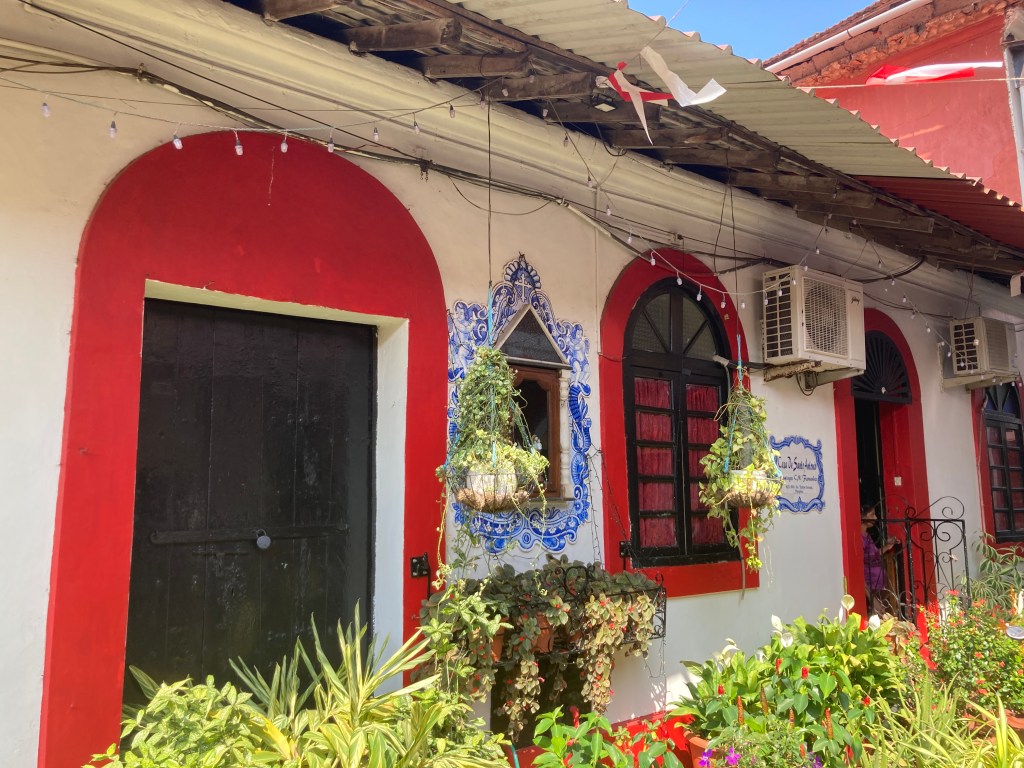
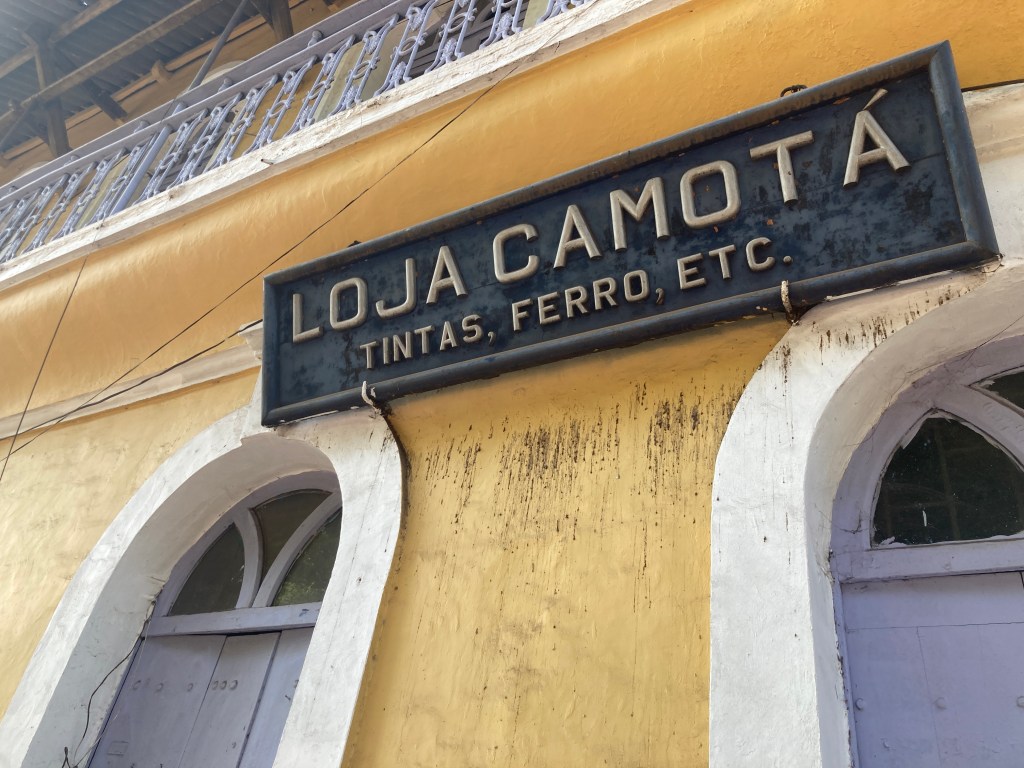
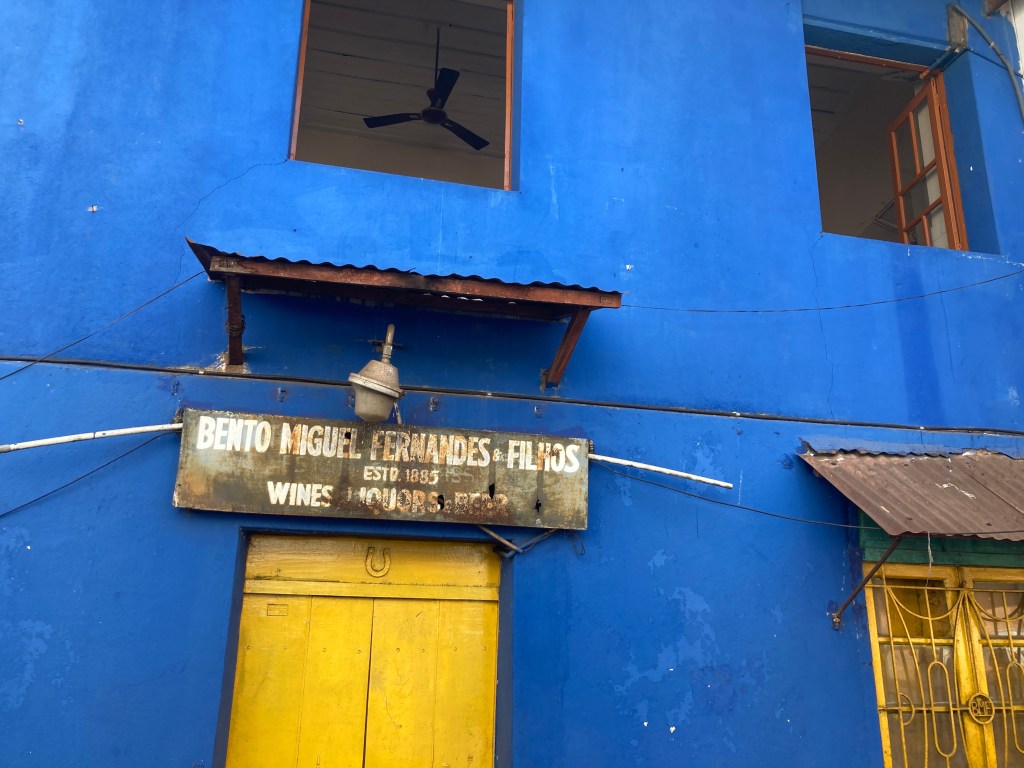
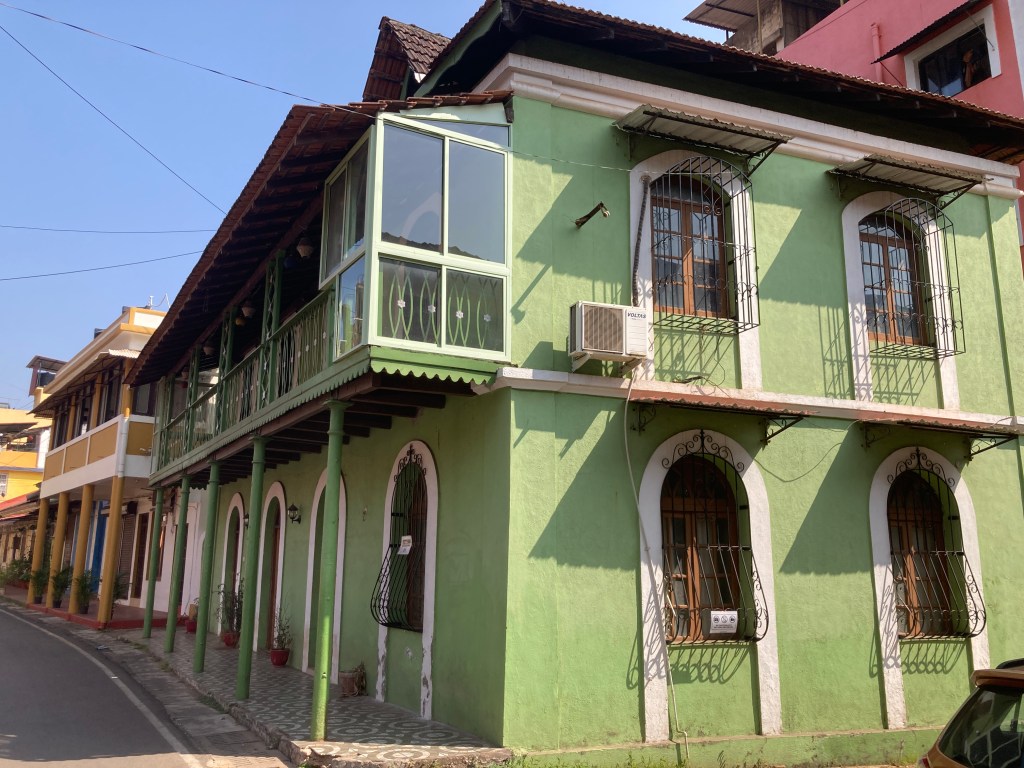
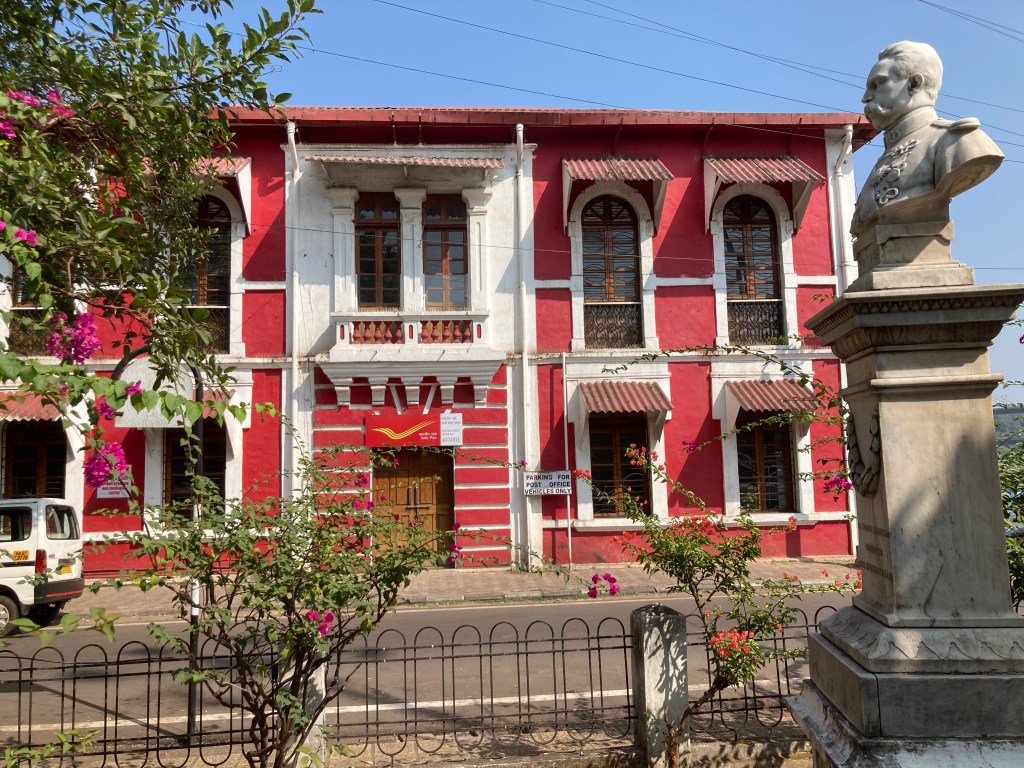
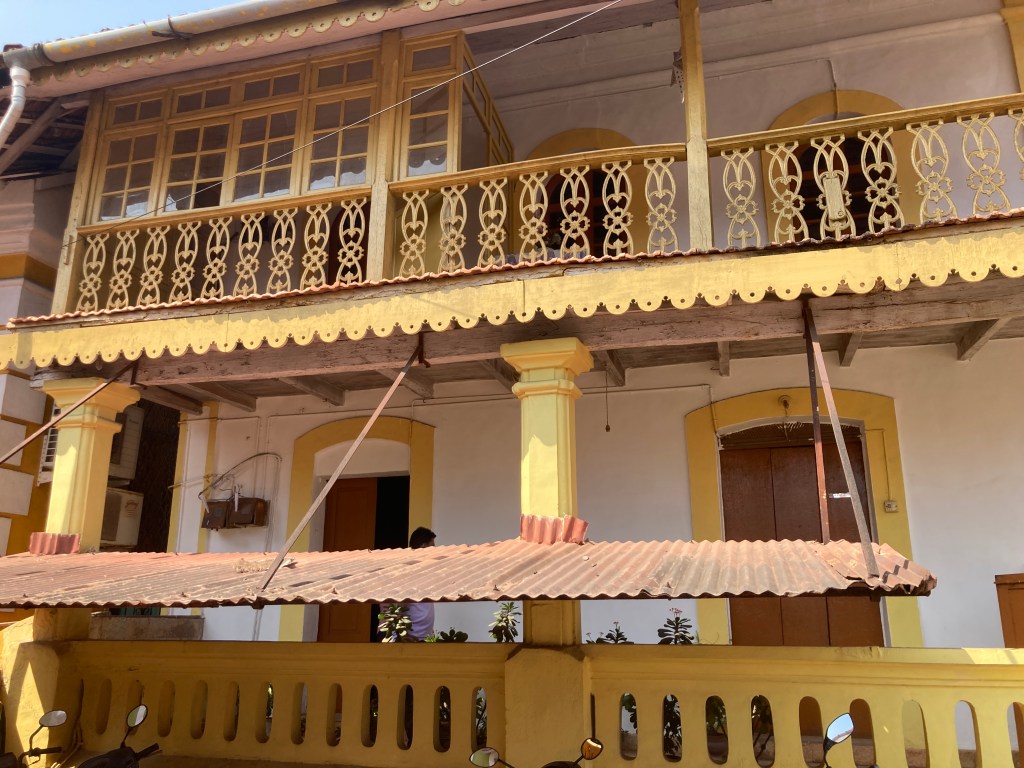
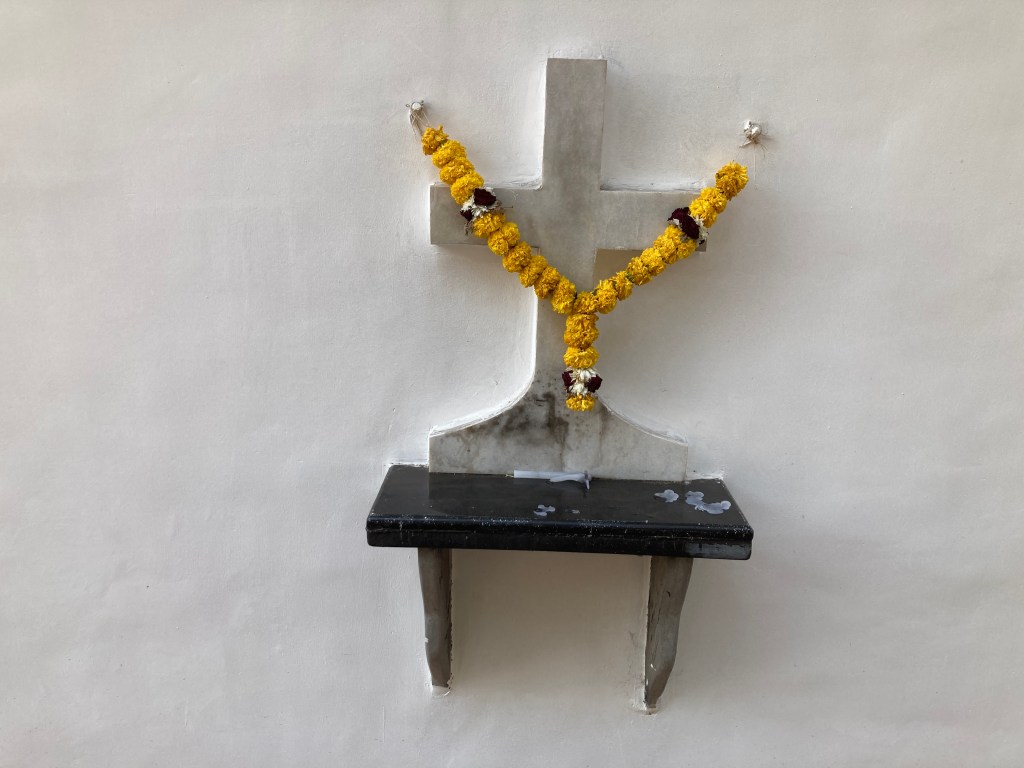

The colourful houses and whitewashed churches could have been magically transported from Lisbon or Faro. Although there has been much immigration in the last 70 years, there are still a large number of Catholics living alongside the Hindus (and a few Moslems) and, although the church services are now in Konkani I had two or three conversations with older people in Portuguese.
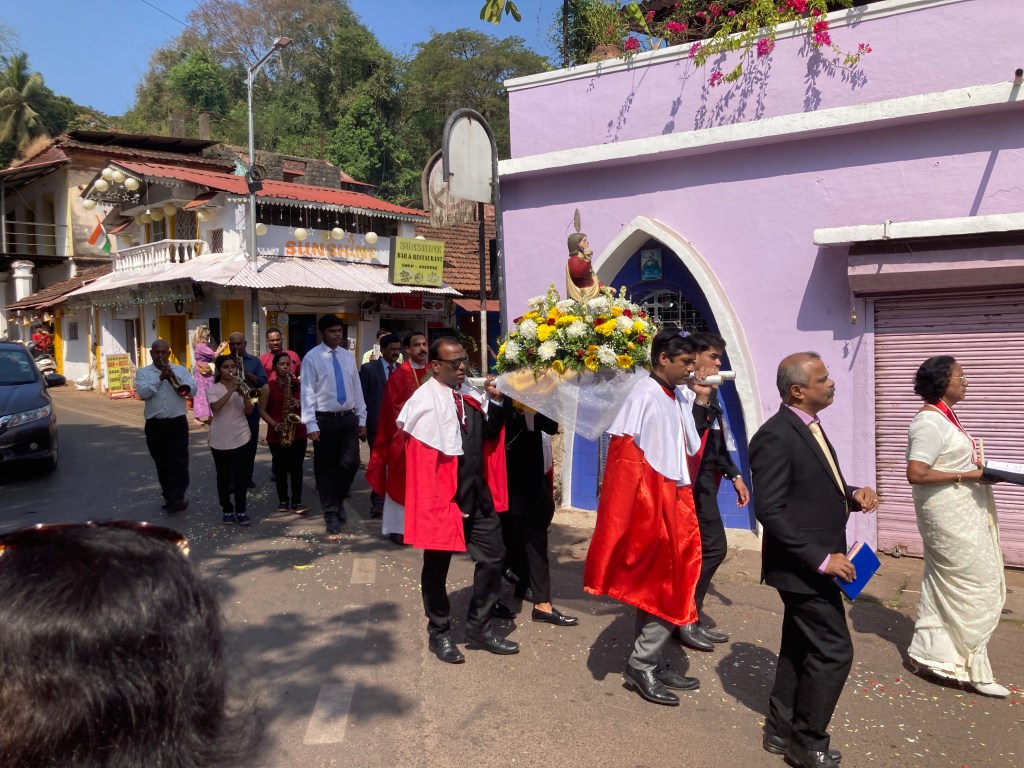
A few miles from Panjim is the former capital, known as Old Goa. Owing to a severe outbreak of plague it was abandoned in the 18th century and is now a ghost town of huge white churches and little else. It is impressive and bizarre.
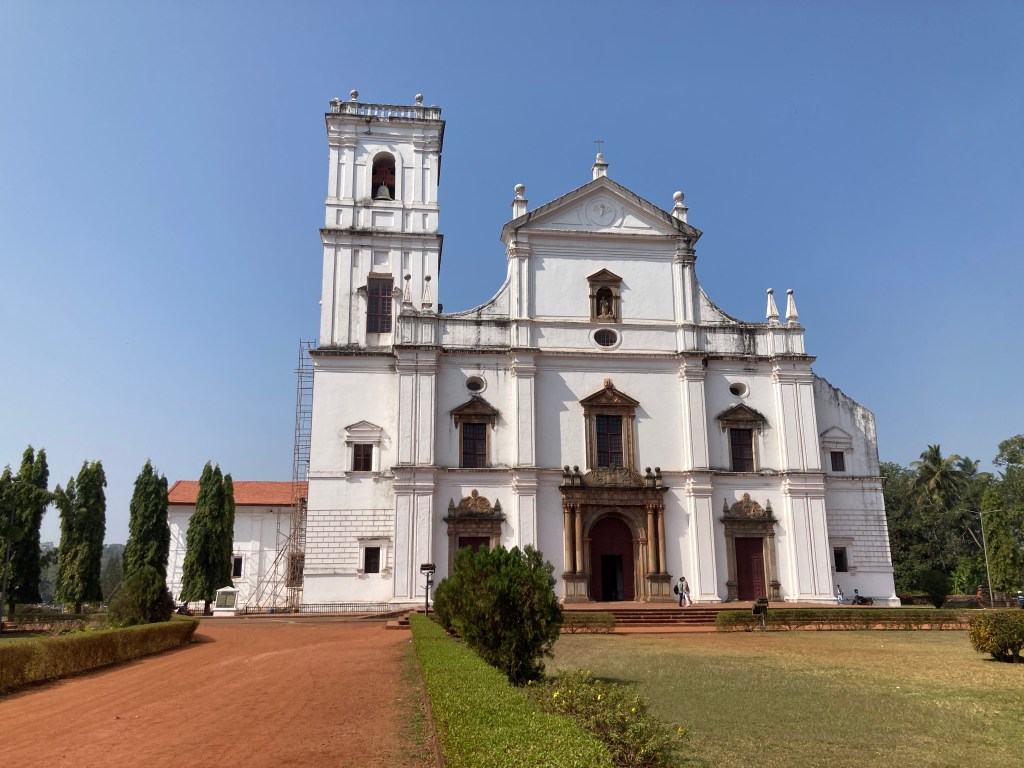
It is also worth while exploring some of the villages of Goa before surrendering to the pleasures of beach life.
***
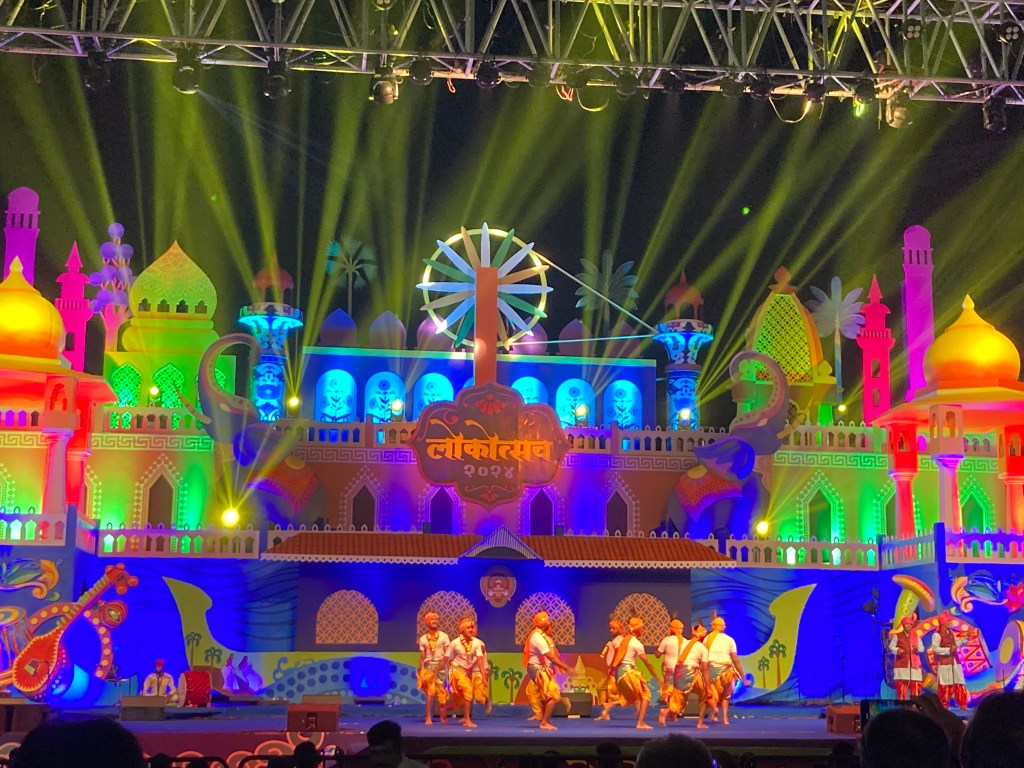
Back in Panjim, we happened upon a week-long folk dance festival at the Kala Academy, over the road from Vivenda Rebelo, our guesthouse. I could have spent hours there and in the adjacent market.

A few days later, just as we were getting over the jet-lag, we bravely set off by train from Vasco station, over the Western Ghats, to Hosapete, the closest town to the ancient site of Hampi in Karnataka. Halfway through the nine-hour journey on the Amravati Express (average speed: 35 mph) we passed the waterfall at Dudhsagar (= “milk sea)”, the second highest falls in India.

This photo, taken from the train, doesn’t do it justice. If you look closely, you may be able to make out people swimming in what must be chilly water.
***
Today, Hampi is an enormous archaeological site, though the huge Virupaksha Temple is still operational and popular with pilgrims. Destroyed during the overthrow of the Vijayanagara Empire in the mid 16th century, it was apparently the second biggest city in the world (after Beijing) – yet hardly anyone in the UK has heard of Hampi. We spent a day and a half exploring by foot and tuk-tuk, and it was not nearly enough.
It was certainly worth the journey
There are literally hundreds of monuments in Hampi, and I took more than 130 photos. Here are just a few:

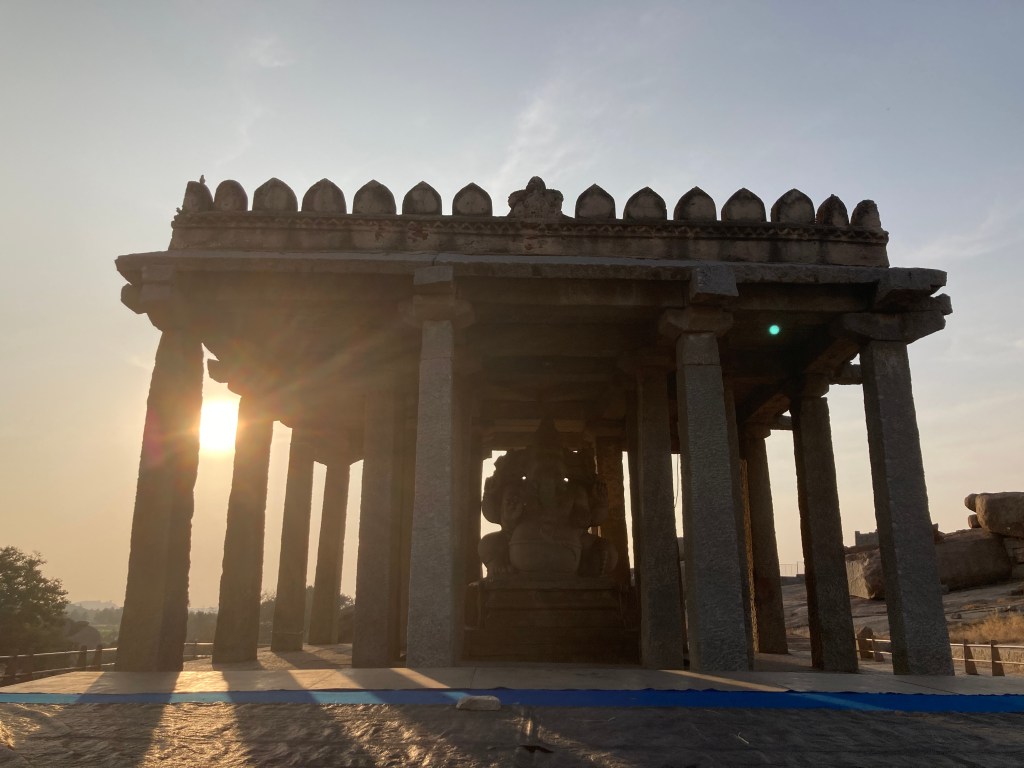

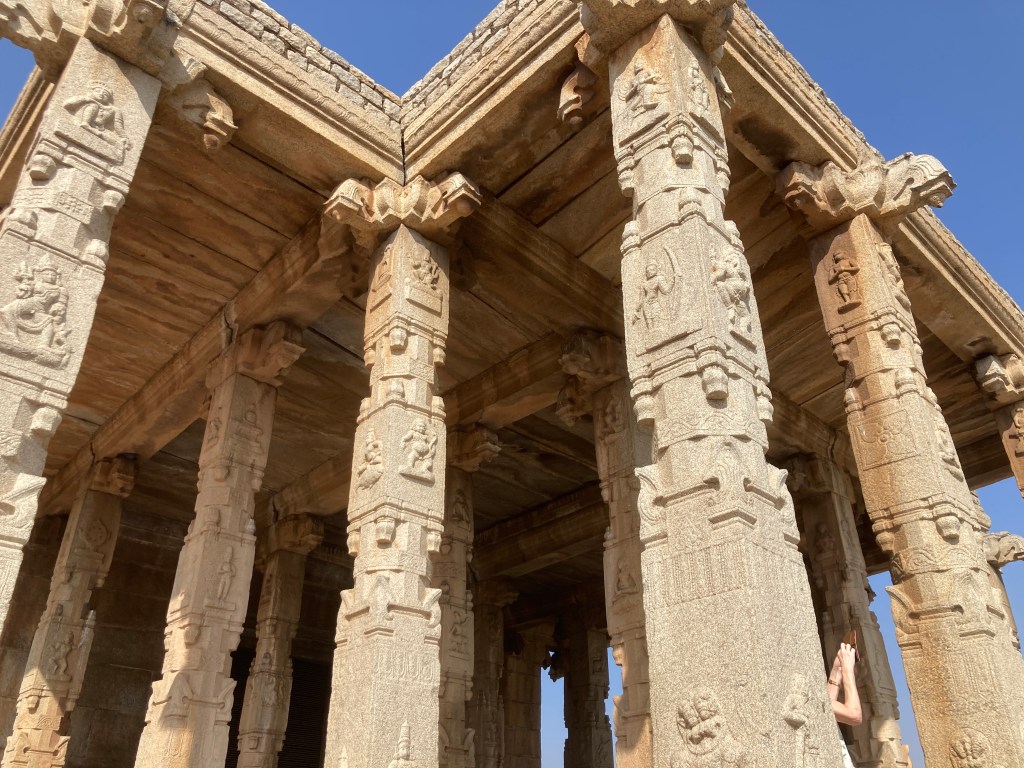
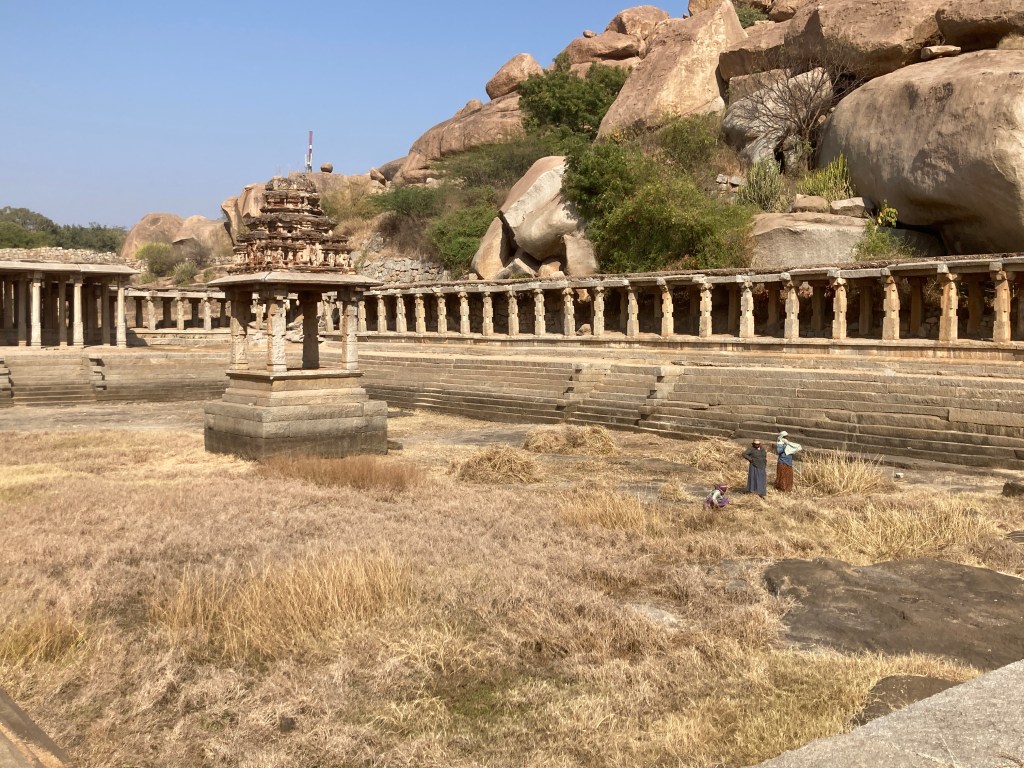
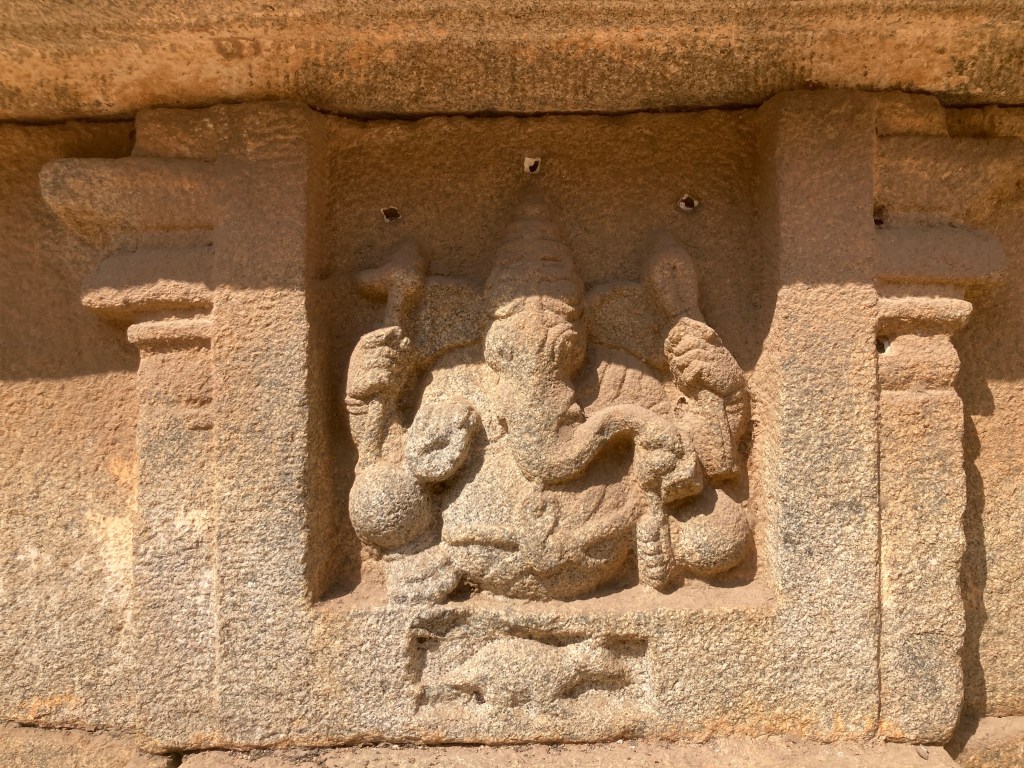
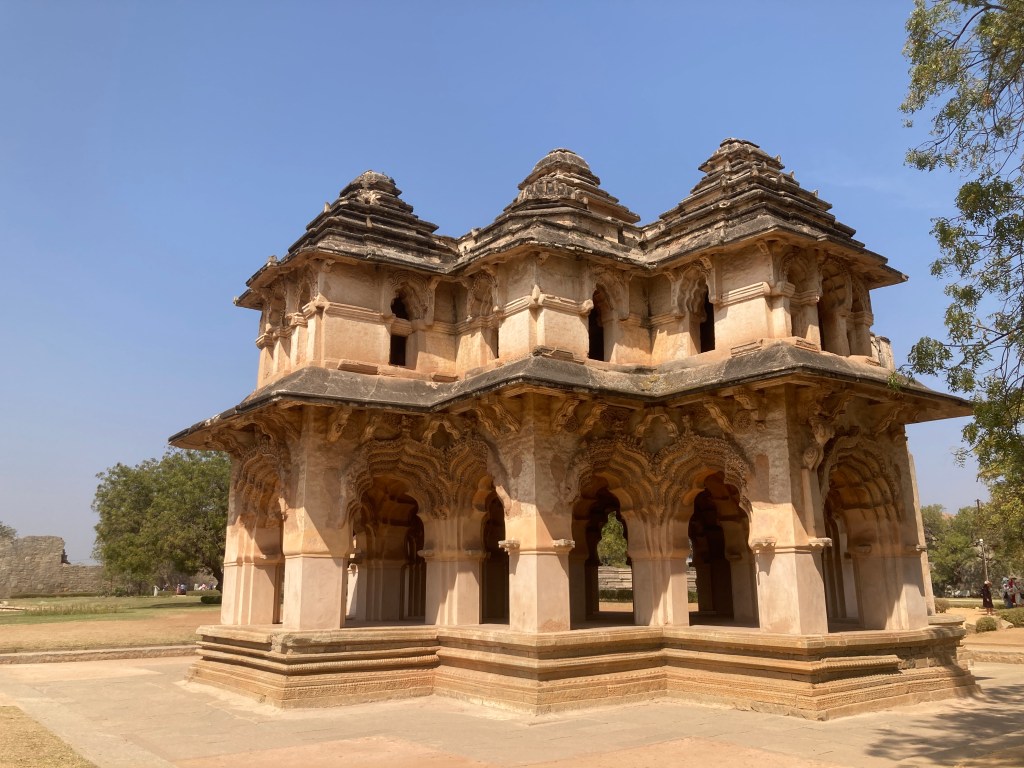

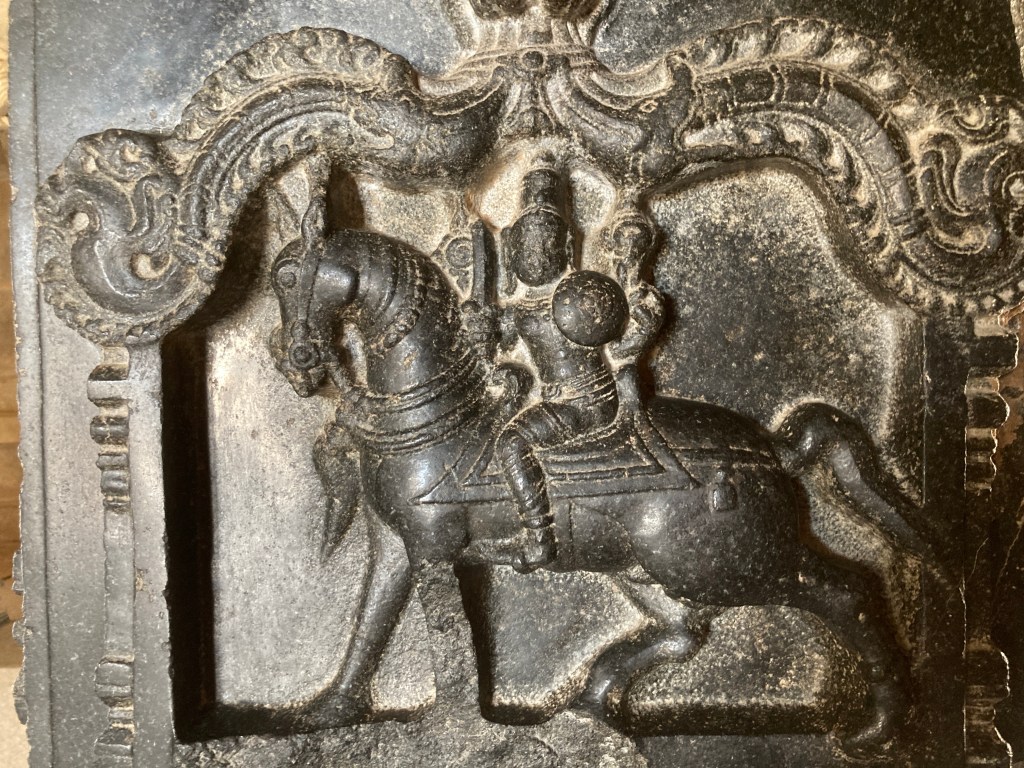
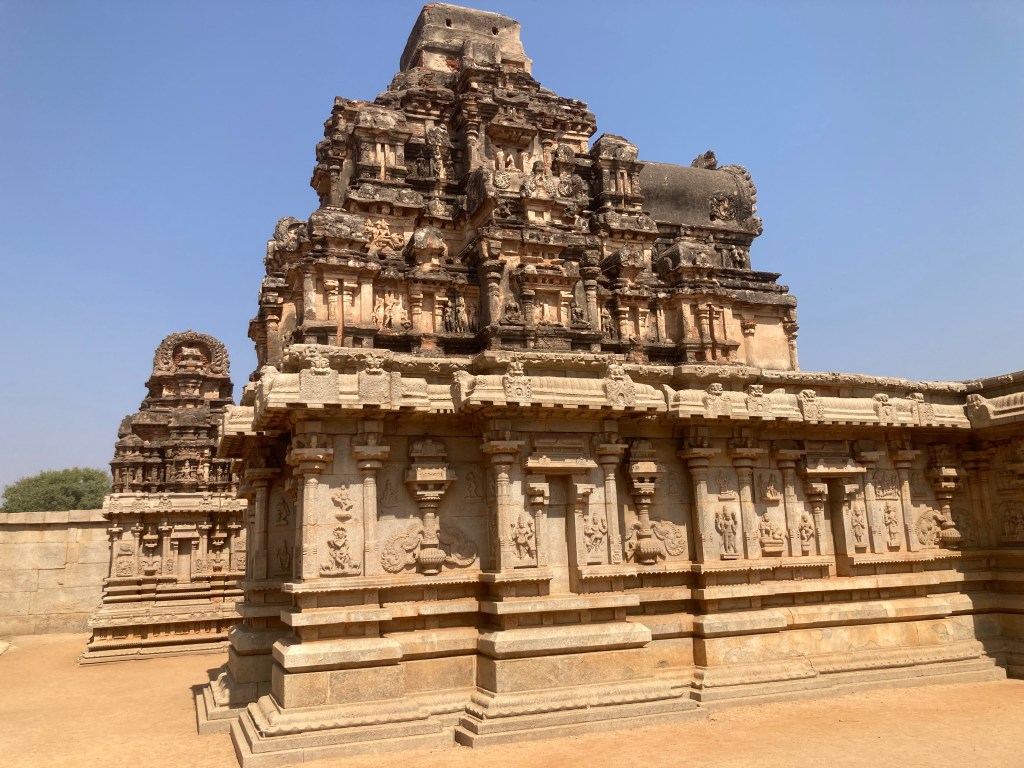
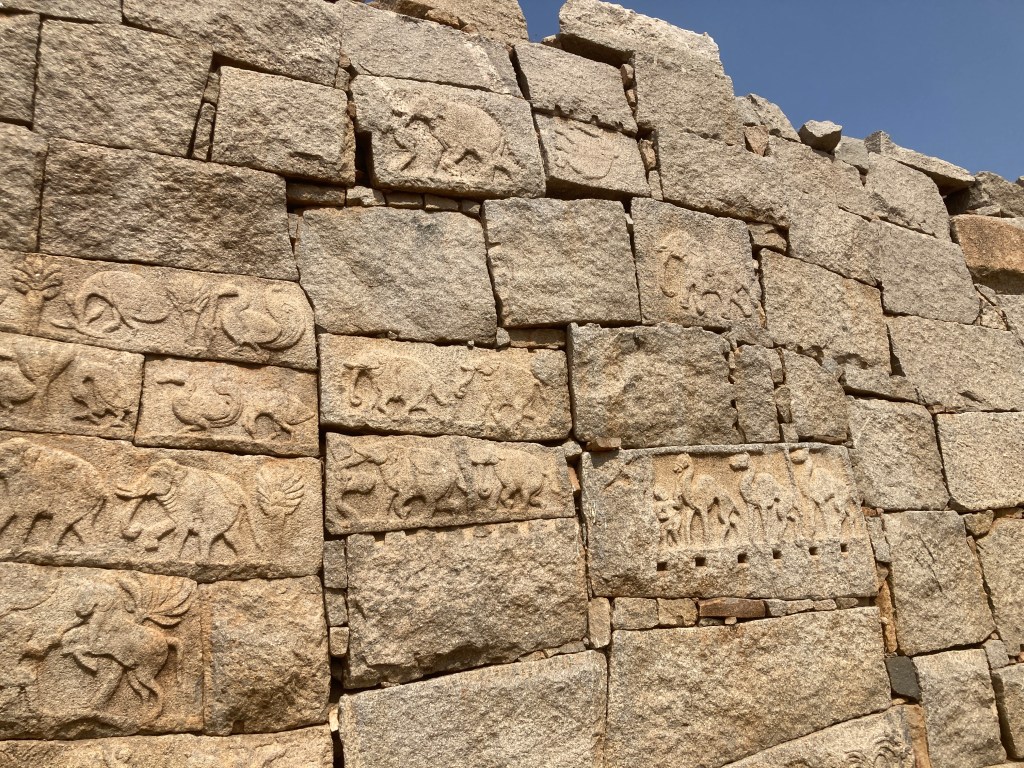
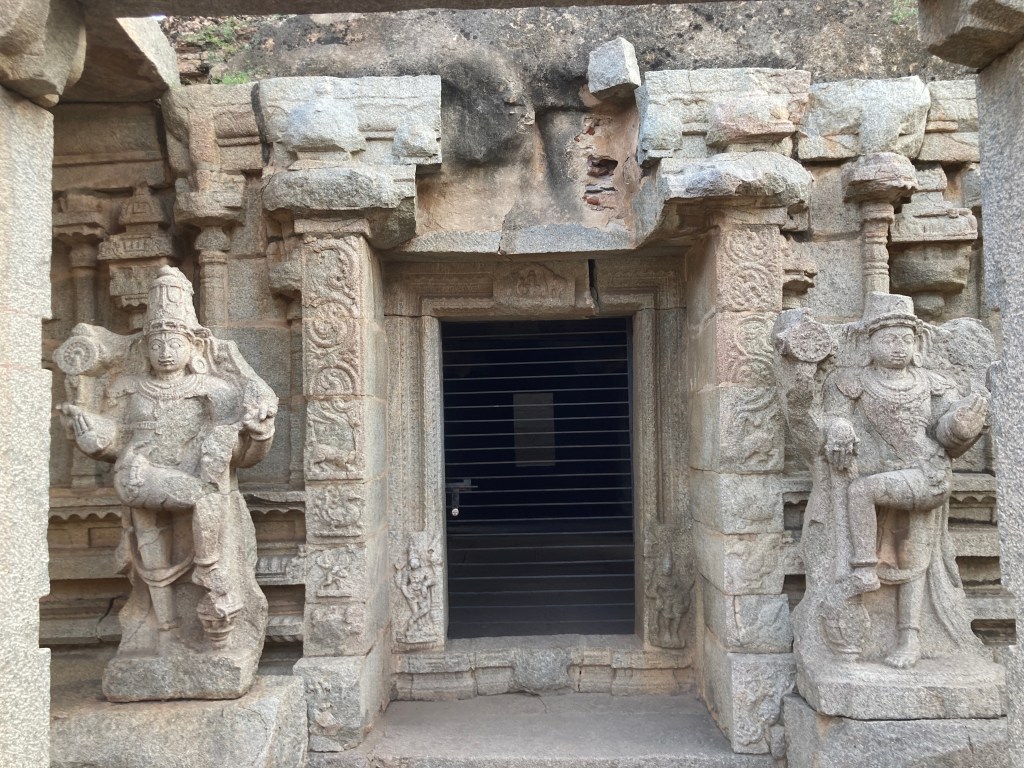
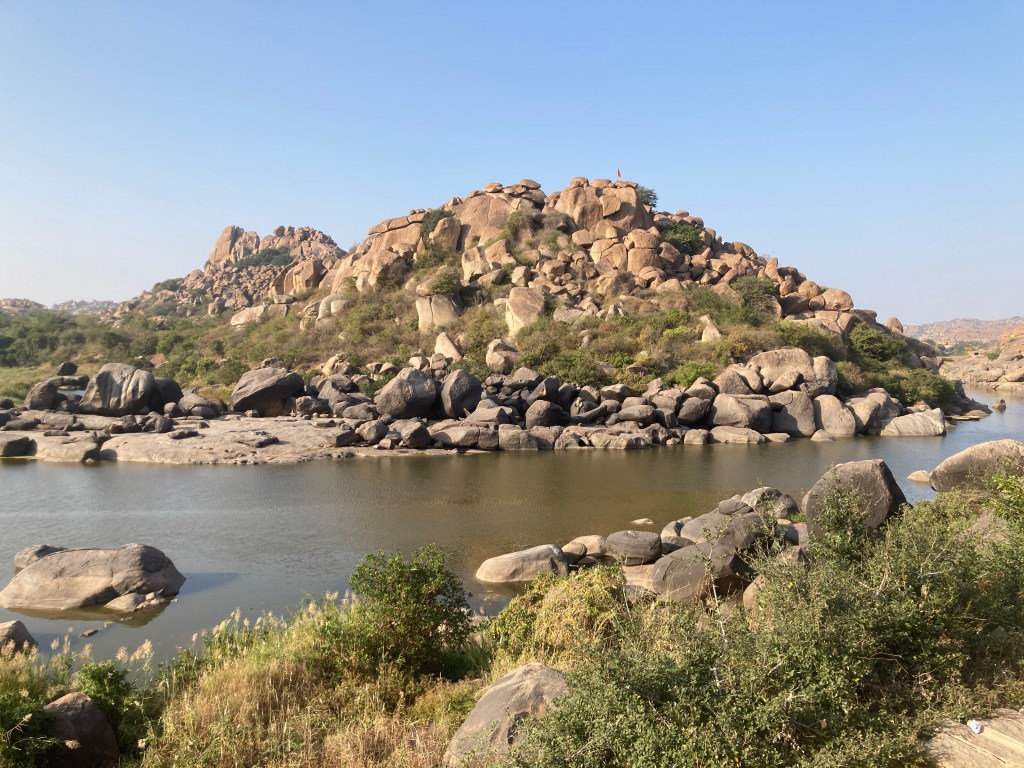
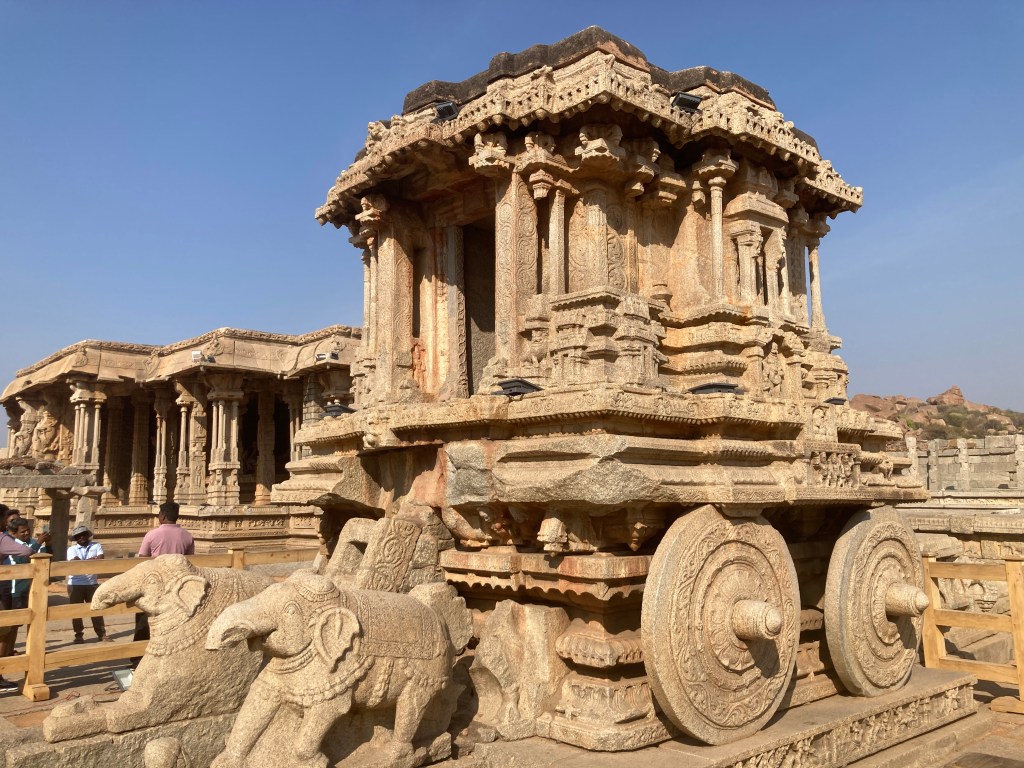
But after a while you begin to suffer from temple overload (see also the Angkor temples!) and, although we visited at a relatively comfortable time of year, it is still hot and tiring traipsing about. After a shower we spent the evening eating and talking to our generous and amenable hosts Ramu and Kavitha at the Shankar homestay.
Another 5:30am start for the train back to Goa
Having done the hard work we relaxed for a couple of nights at Benaulim, a well-established fishing village and beach resort with shops, banks and a proper centre.
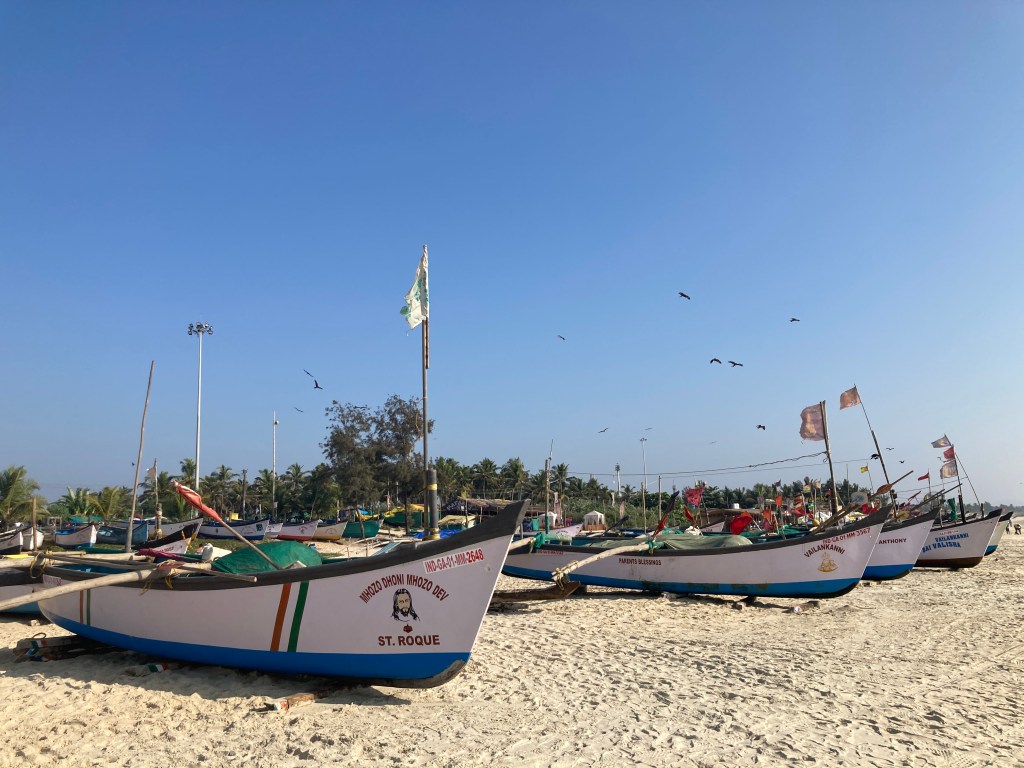
There are many excellent and cheap (by European standards) restaurants and bars overlooking the beach. Thanks to the Portuguese influence you will have no difficult obtaining a beer and a pork vindalho, if that’s your desire! We particularly enjoyed the food at the Blue Corner and Anthy’s. The locals are friendly and the sea is warm.
***
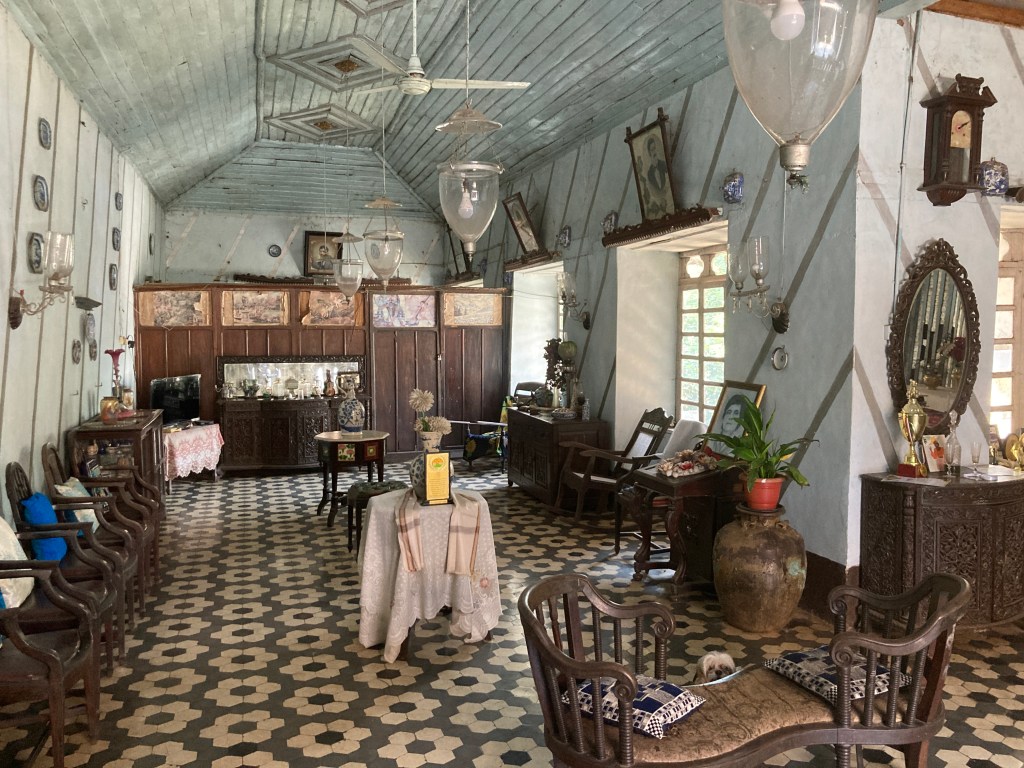
At nearby Chandor, there are two crumbling mansions well worth visiting. You ring the doorbell and are shown around by family members. The chapel of the Bragança House holds a precious relic.
St Francis Xavier’s diamond-encrusted fingernail

By that as it may, the greater part of the saint now rests at the Bom Jesus church at Old Goa.
You can also visit the Fernandes House, with its secret escape tunnel to the river. These once wealthy families were not ethnic Portuguese; they had converted to Catholicism hundreds of years ago. Mr Fernandes, to whom I spoke in Portuguese, told me his family name was originally Desai.
***
We left Benaulim for Palolem, a little further down the coast, with its famous west-facing horseshoe beach. It’s a great place to unwind, though a little busy in high season. We stayed for five nights at the Palolem Guest House, which has its own pretty Avocado Garden restaurant.
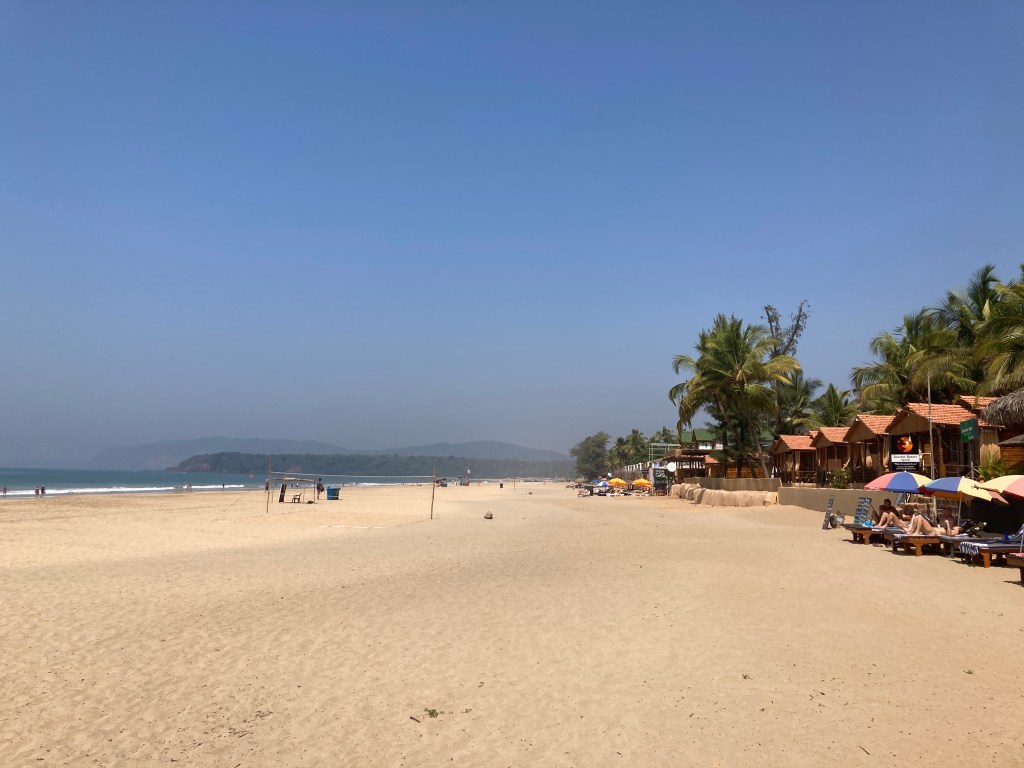
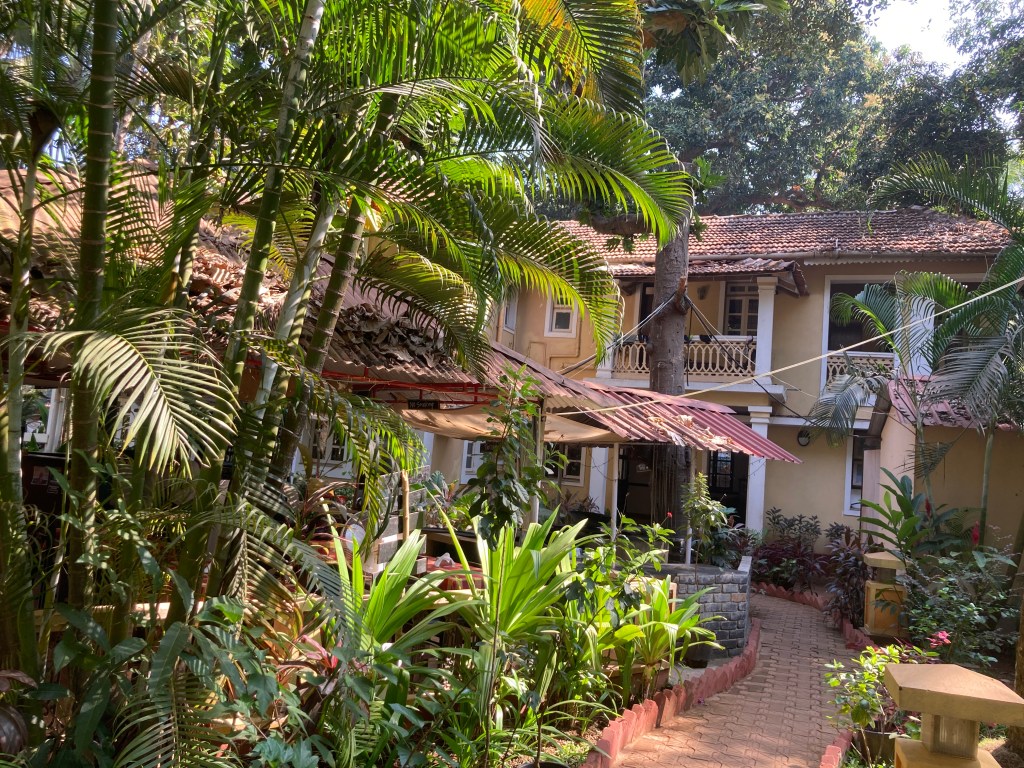
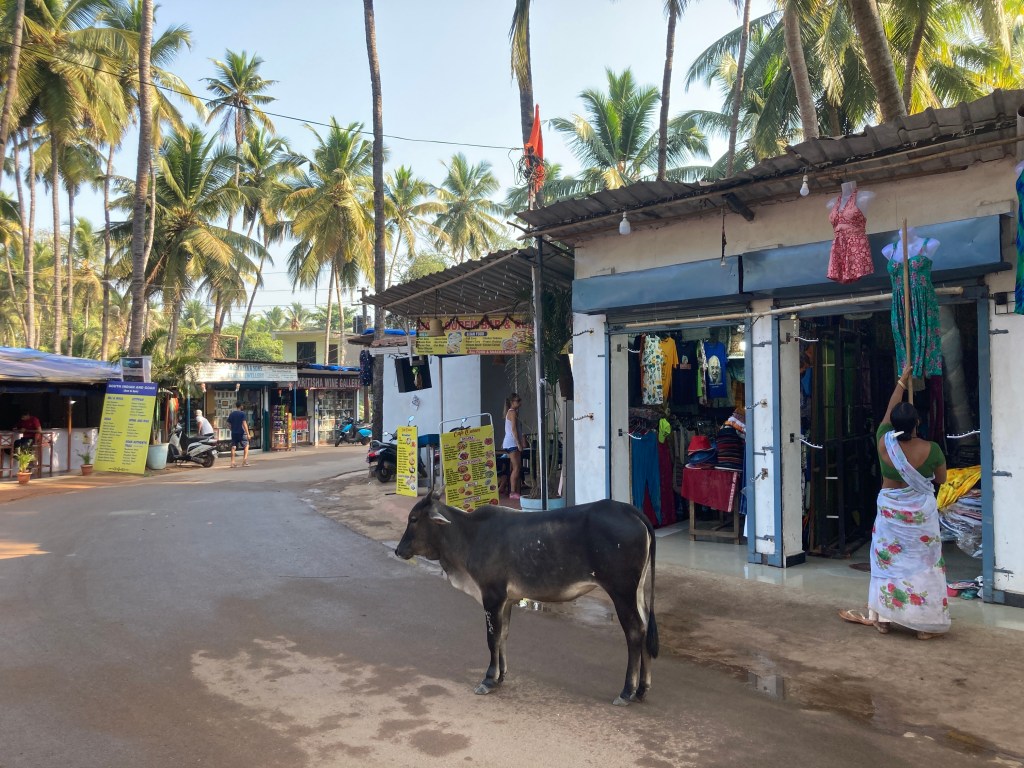
For a few pounds, you can get a tuk-tuk to quieter beaches
Patnem, a couple of miles south of Palolem, is just as good, and quieter, with an access road of intriguing clothes and souvenir shops. We swam, read and enjoyed an excellent lunch at the Nirvana Bar (chicken tikka, garlic butter naan, tadka daal – lovely).
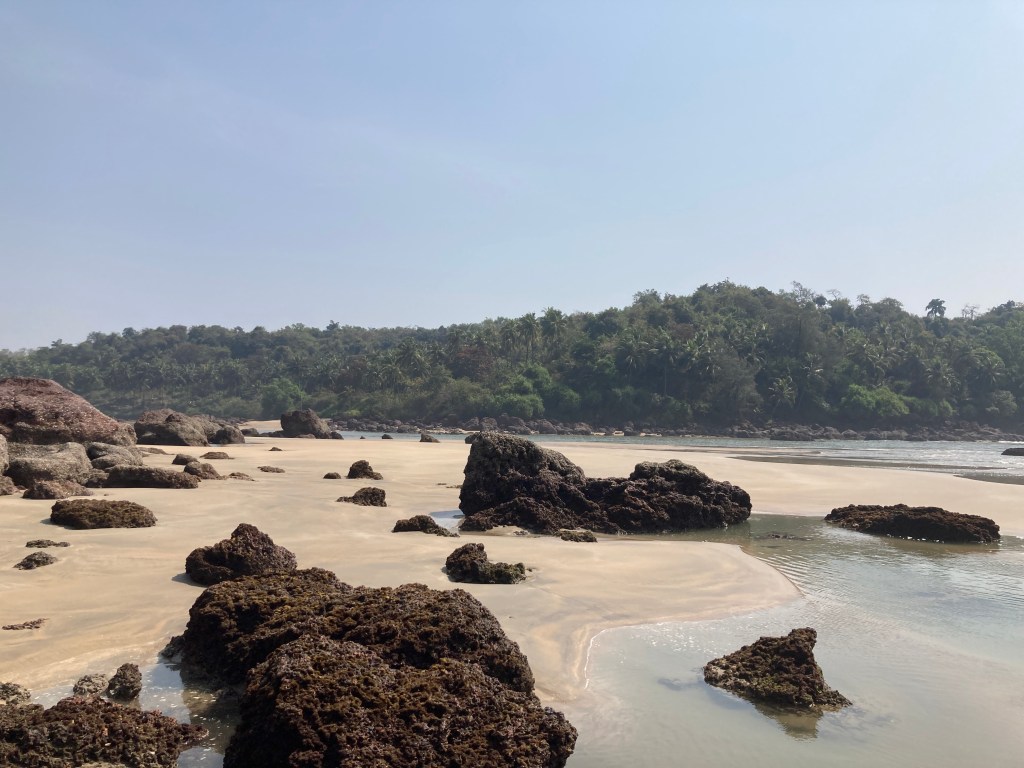
North of Palolem is Agonda, which is more of a surfing beach, with lovely views of the hills. In the other direction is Galgibaba. Serene and beautiful, with a conservation area for nesting Olive Ridley turtles, it was a little rough for swimming when we were there. But we enjoyed local oysters and fresh red snapper. I went for a stroll and saw a kingfisher, in addition to the ubiquitous kites, swallows, ibises, egrets, gulls, terns and crows.
***
Now, for contrast, how about Delhi?
On a previous visit we’d missed out on the Red Fort and it had become almost an obsession to see it. So, we brought it on ourselves and can blame no-one else. Our arrival at Indira Gandhi International was followed by an excruciating, interminable taxi ride to Maidens Hotel. Being driven around in one of the world’s busiest, noisiest and most chaotic cities at rush hour, by a driver who didn’t speak English, hadn’t a clue where he was going and didn’t seem to understand how maps worked, was nerve-shredding. After 90 minutes of frustration, he finally pulled over. Anne got into the front passenger seat and starting yelling, “turn left.. left!”, etc. Thirty minutes later, to our amazement, we arrived at Maidens. I proffered a very generous tip, more in relief than gratitude.
A budget-busting couple of days followed
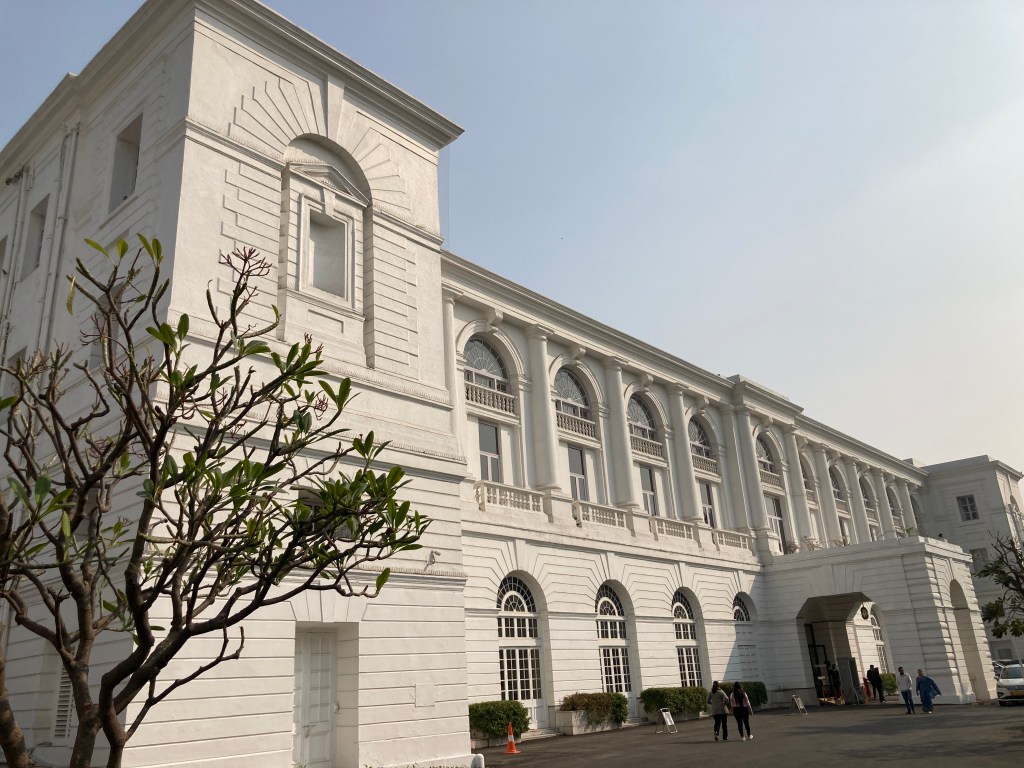
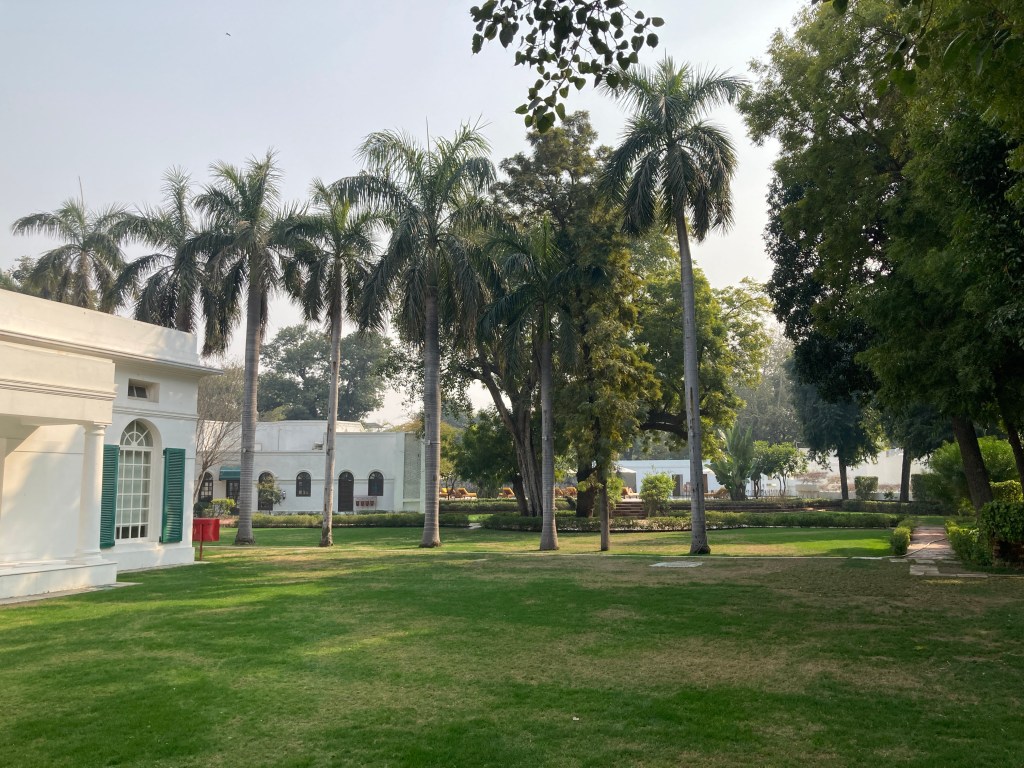

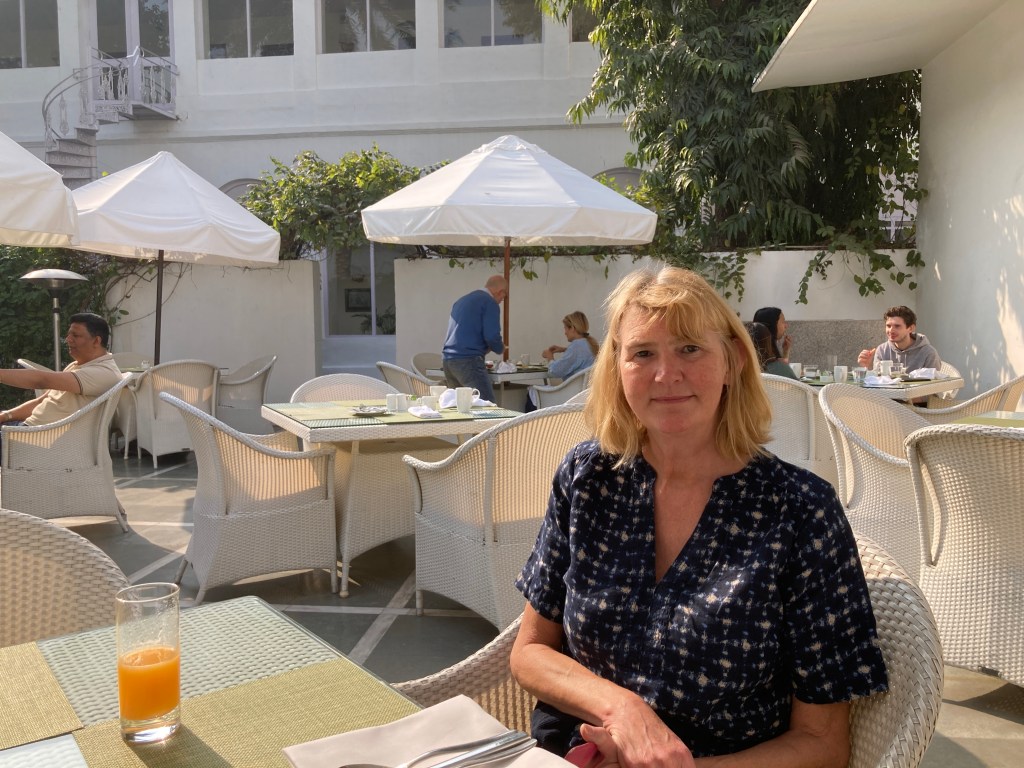
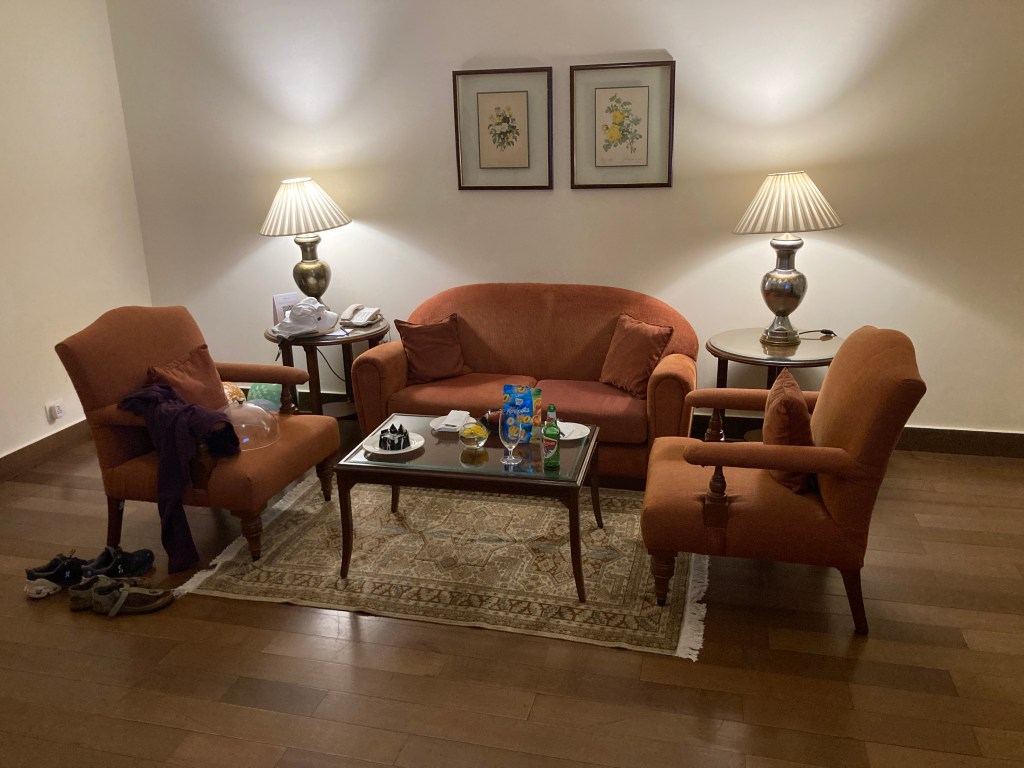
Maidens was once considered to be the best hotel in Delhi. It’s still pretty swanky, with an outdoor swimming pool – which we made use of – and a restaurant that extends into beautiful, bird-filled gardens. Although it wasn’t (yet) my birthday, the staff thought it was and I wasn’t complaining. They genuinely could not have been more helpful – even though they were hosting a glitzy 250-guest wedding engagement party on the night following our arrival.
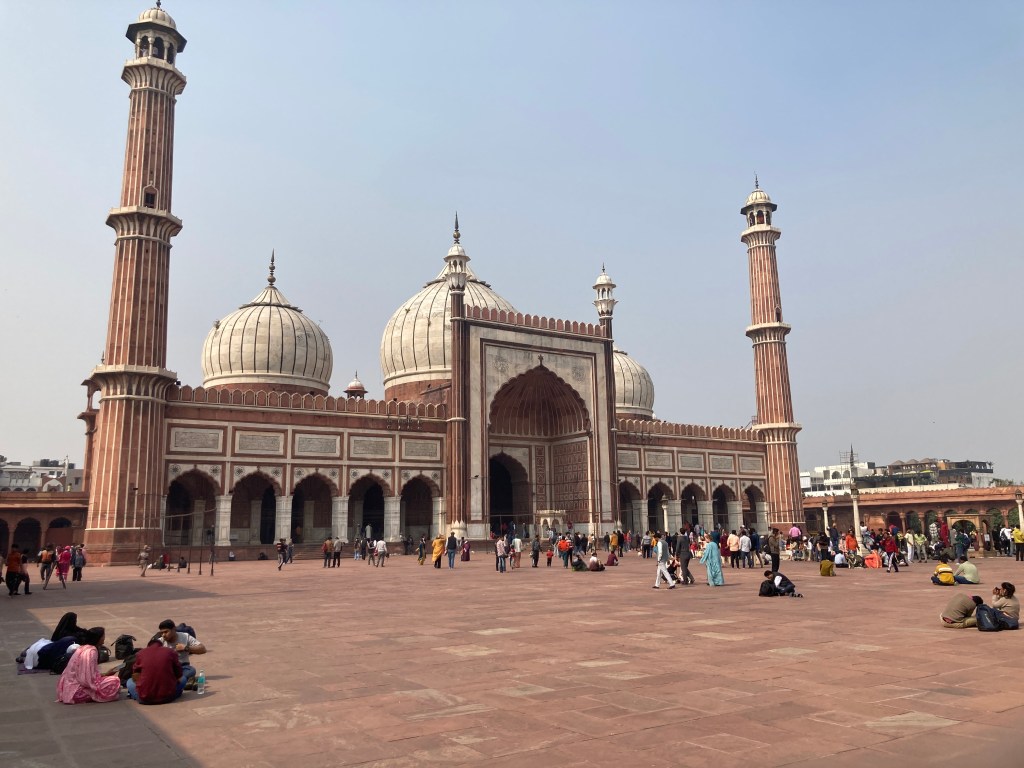
And so, with a few minor hiccups along the way, we eventually got to see the two great monuments of Shah Jahan’s reign (after the incomparable Taj Mahal at Agra): the Jama Masjid (Imperial Mosque) and the Lal Qila (Red Fort).
We ought to have spent longer than 90 minutes at the Red Fort, but fatigue set in. It covers a large area, with many fine buildings of the Mughal era. We left to discover that our Uber driver had disappeared and we had to take a rickshaw to the nearest metro station.
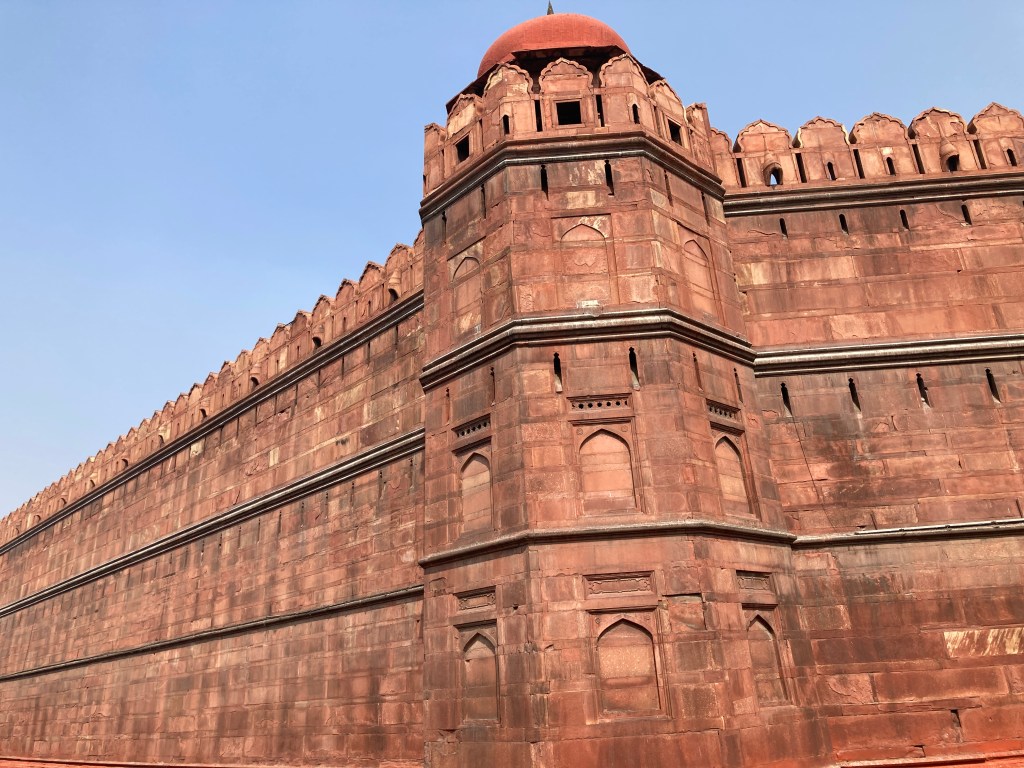
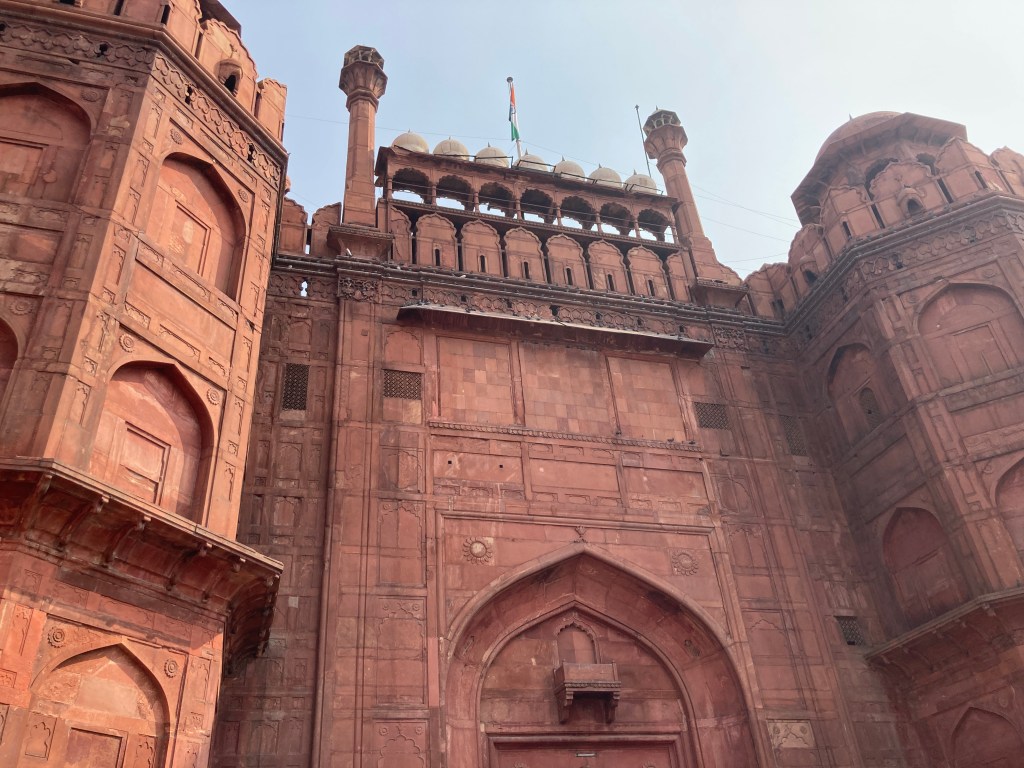
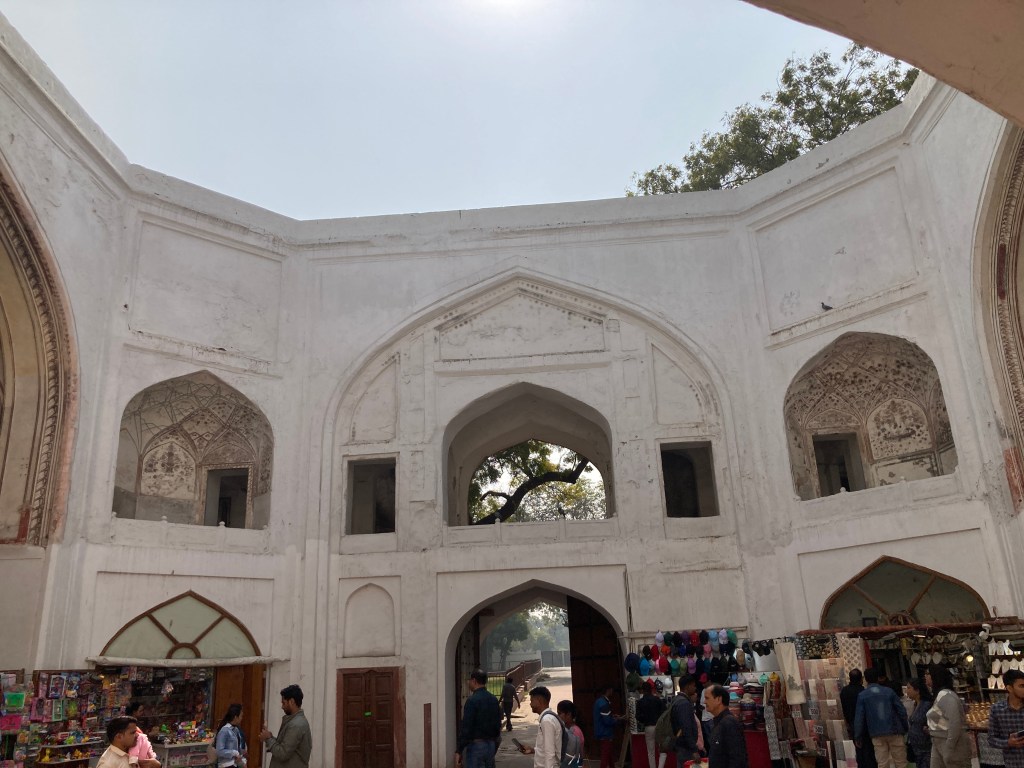


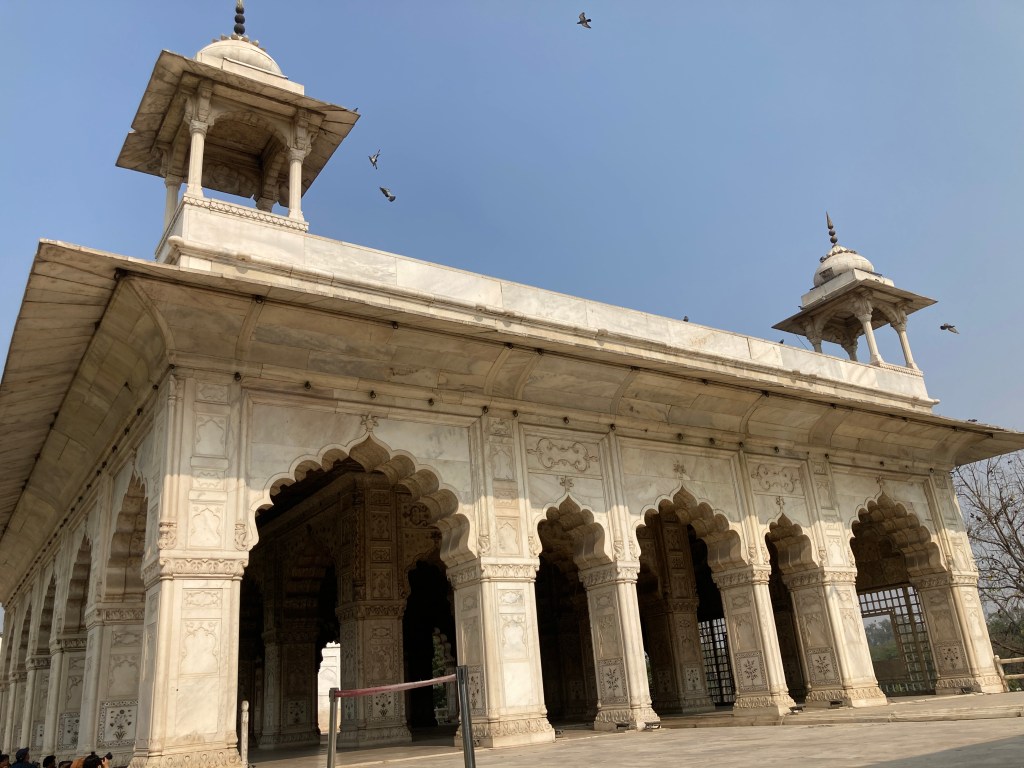
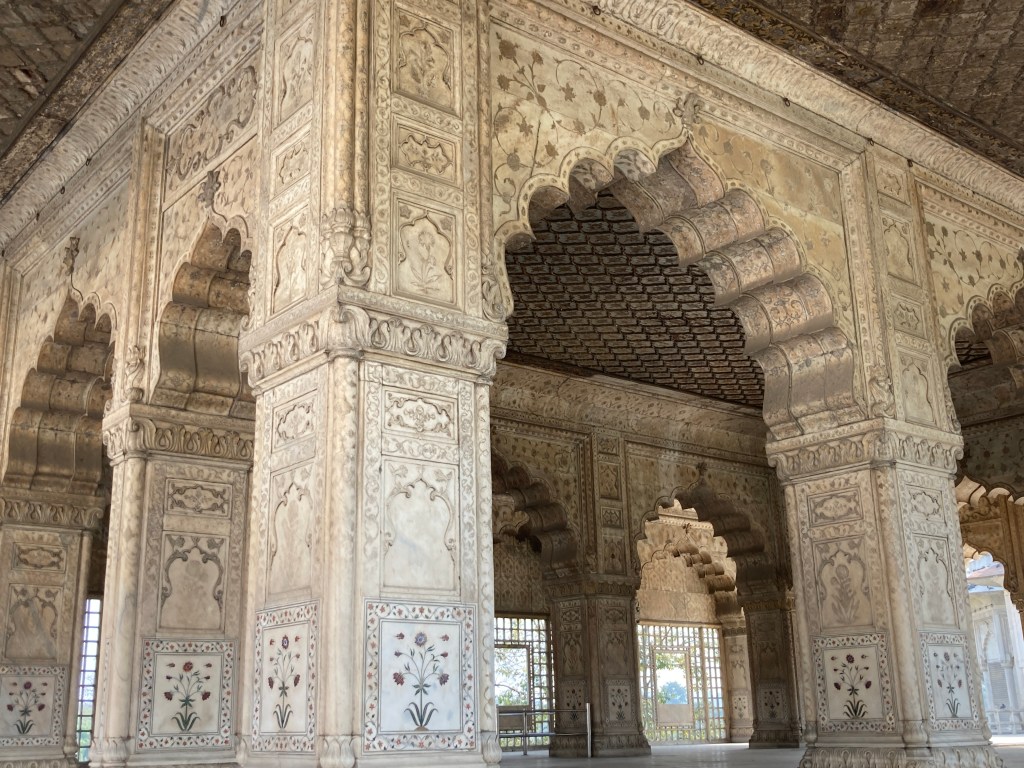
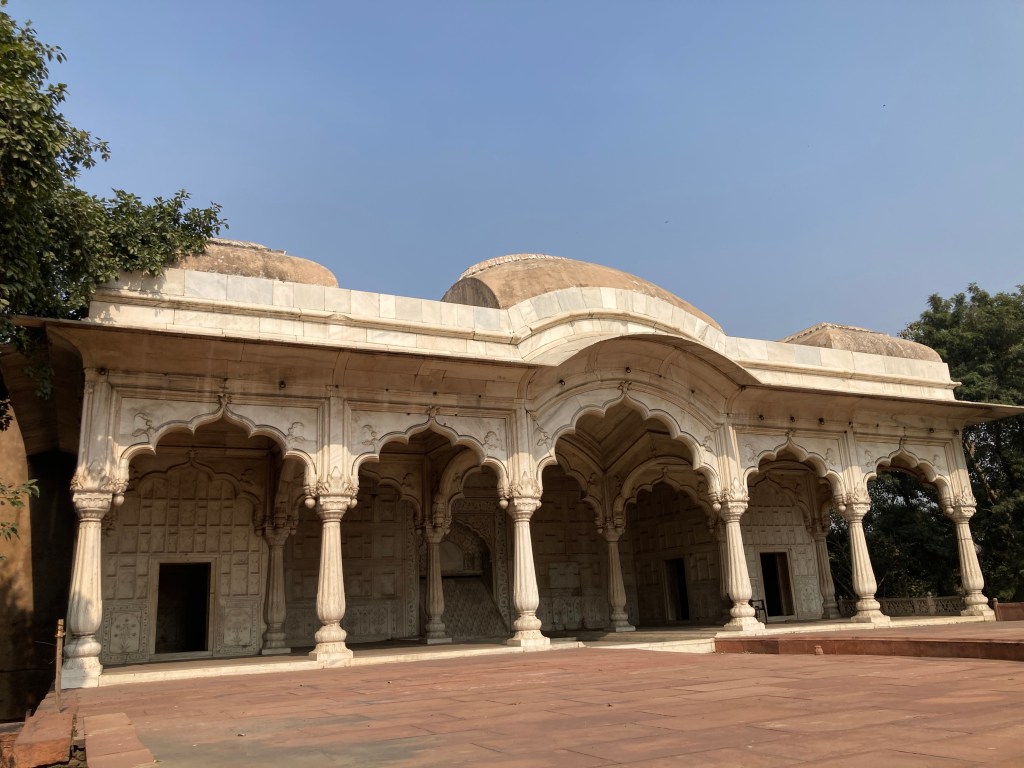
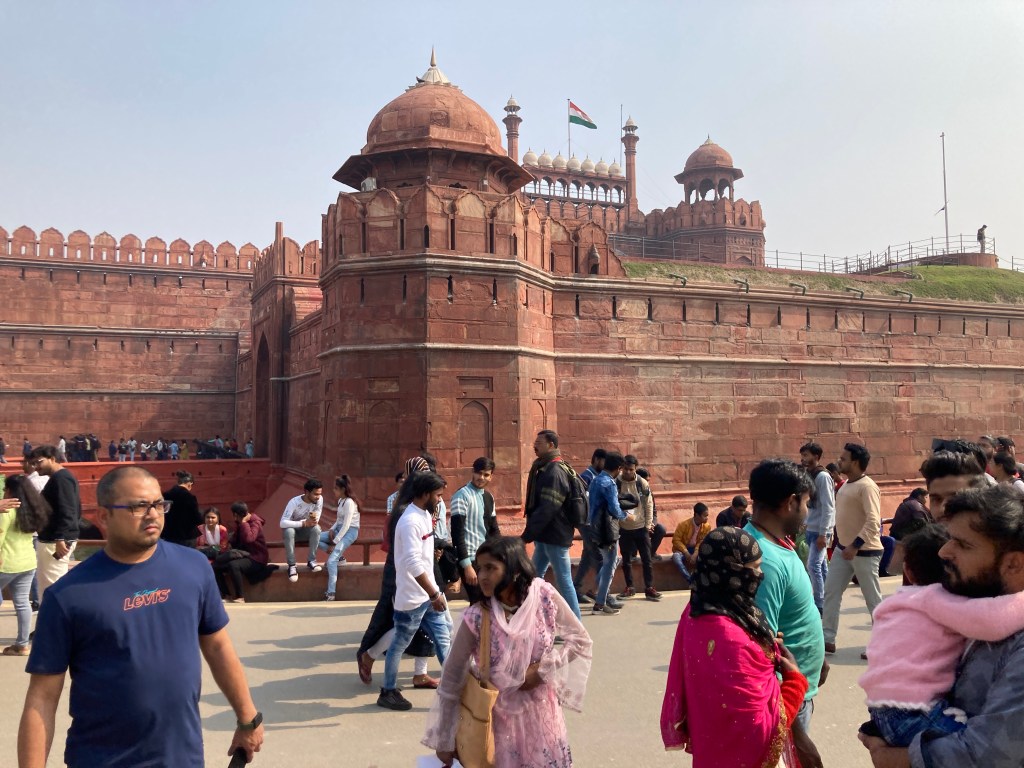
As for the famous Chadni Chowk, our plans to explore it evaporated in the heat and noise of Shahjahanabad. Maybe another year?
On a previous visit, 11 years ago, we’d visited Humayun’s Tomb, the fascinating Qutb Minar complex and the modern Bahá’í house of worship known as the Lotus Temple. A fair effort at ticking off Delhi’s cultural highlights. But when spirits flag, where else to head for but the insanely opulent Imperial, where we’d enjoyed a two-hour buffet brunch many years ago.
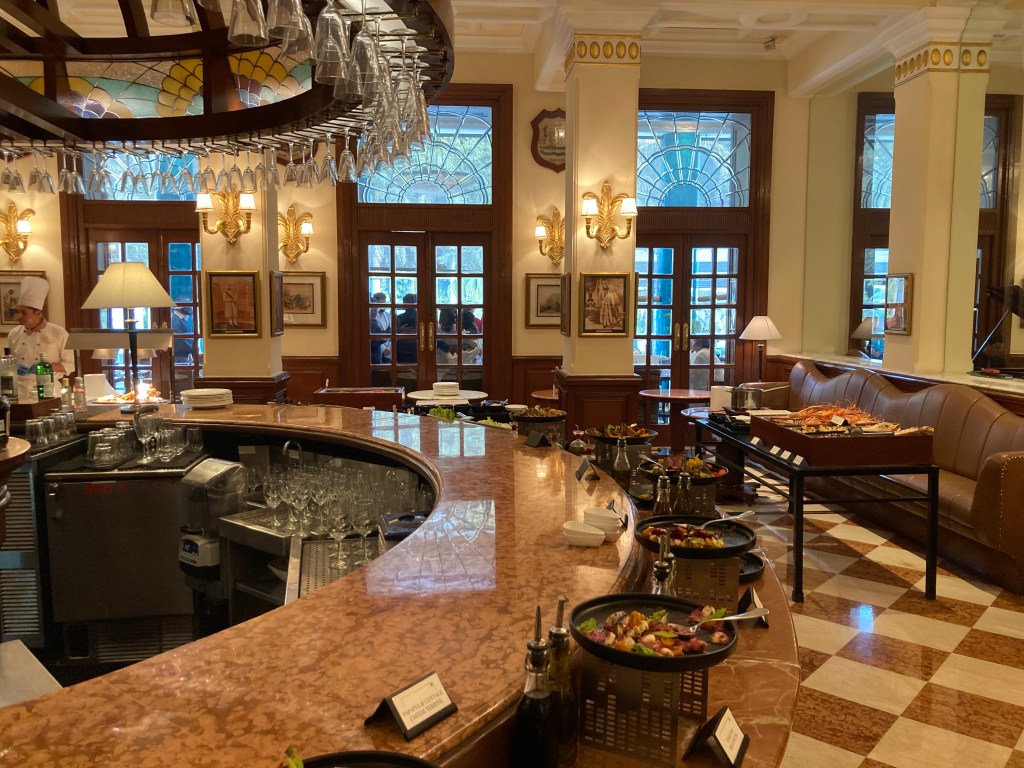
On this occasion we just had a couple of expensive German beers, after which we forced ourselves to visit the National Museum, a few minutes away on Janpath. And this time we found a taxi driver who knew where our hotel was.
For our last night, we had already checked out a couple of bar-cum-restaurants a short stroll from Maidens. More than anything they reminded me of the sort of joint you might find next to Peckham Rye station, with menus and prices to match.
Exactly our kind of place
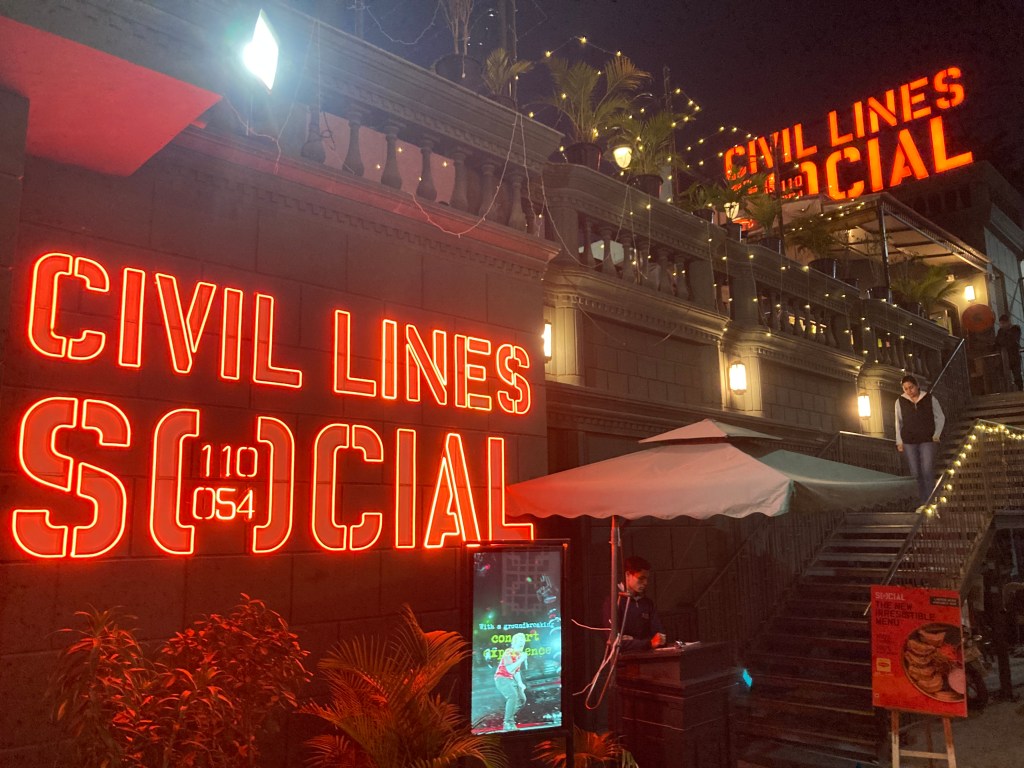
And so, following another epic overnight flight, it was back to dear old freezing Blighty. Two and a half sunny weeks should keep us going through winter.
 The Wight Stuff
What a fantastic trip! Great travelogue. I don’t feel the need to revisit Delhi and Agra, but you give such an inspiring account of Goa it’s now on my list!
LikeLiked by 1 person