We awoke to a dry and cool morning in Vienna following a very wet evening. Lingering over breakfast at a nearby Herr Mann bakery, we nearly missed our train (the wonderful Railjet). Two and a half quiet and comfortable hours later we pulled into Budapest Keleti.
Tuesday 4 June
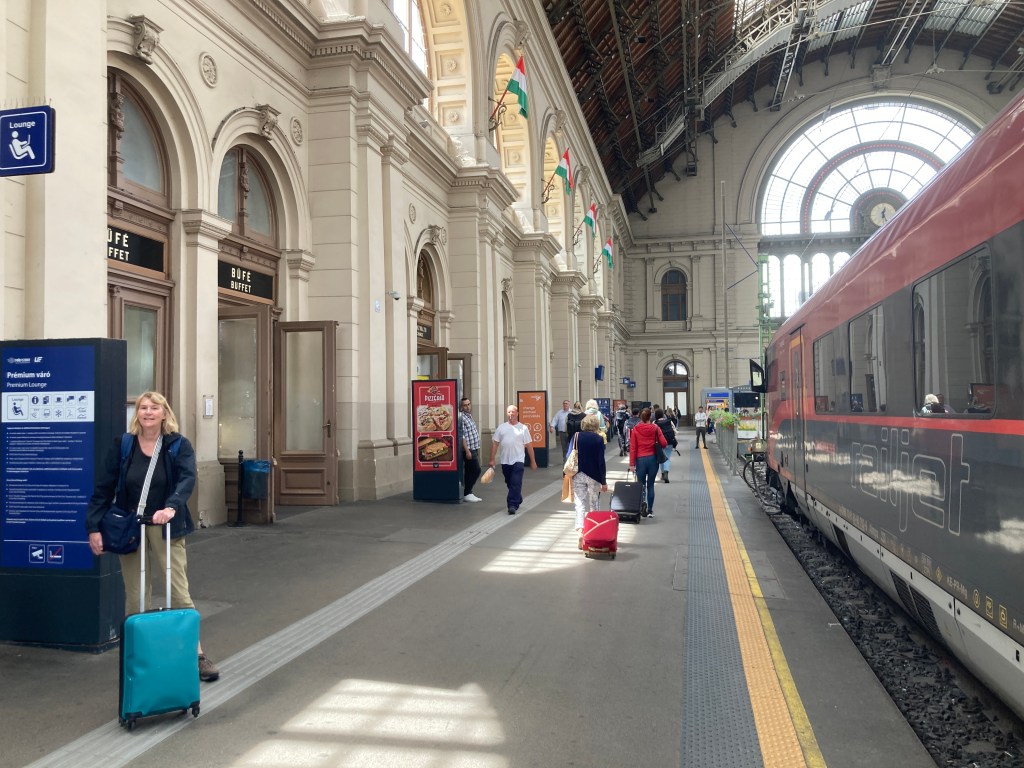
Our first impression was that both the station and the metro were rather down at heel – though almost everywhere is, compared to Vienna – but I soon understood that Budapest’s transport system is in the throes of a comprehensive rebuild. The work that has been completed so far is impressive: modern, quiet trams and trains with announcements in Hungarian and English.
The metro took us within 10 minutes’ walk of our apartment on Utca Dob, in the Jewish quarter. We took a guided tour of the 19th-century Dohány Street synagogue, the second largest in the world. Behind the building is a Holocaust memorial.

Budapest celebrates its Jewish heritage, which is much more apparent than in Vienna. And it is good for business; there are a lot of Americans interested in tracing their European Jewish roots.
The horrors of the Holocaust loom over the city
We had lunch at Koleves, a kosher restaurant in a lovely old building. It seems that many Jewish families, some in Orthodox dress, are moving back to the area.
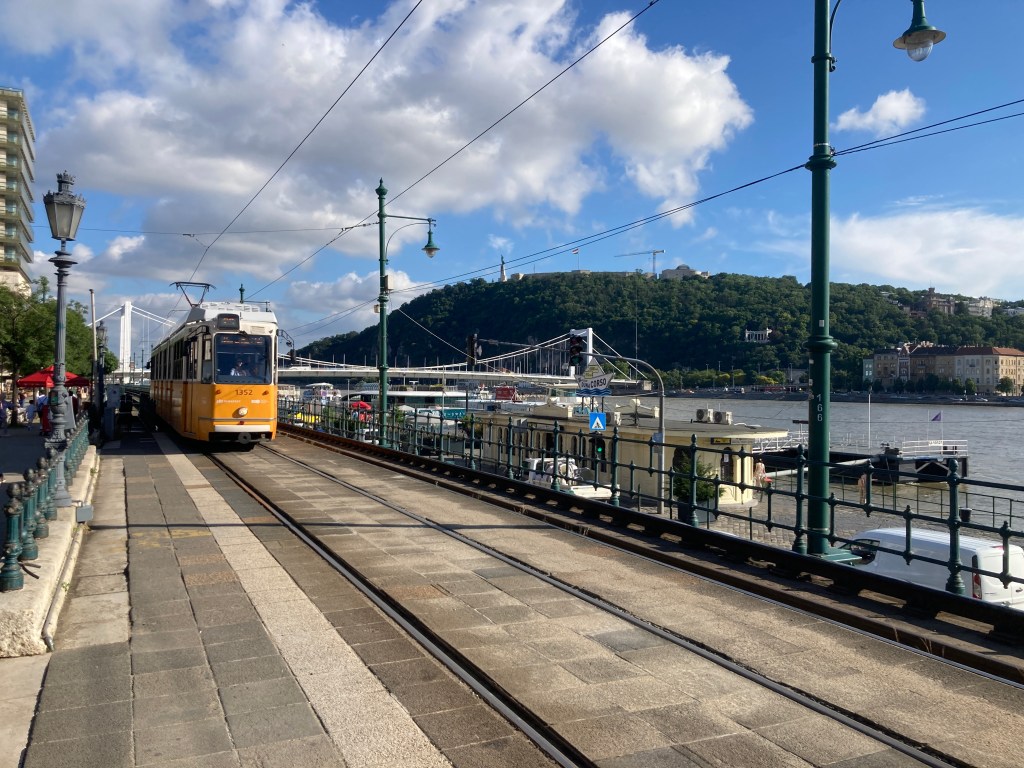
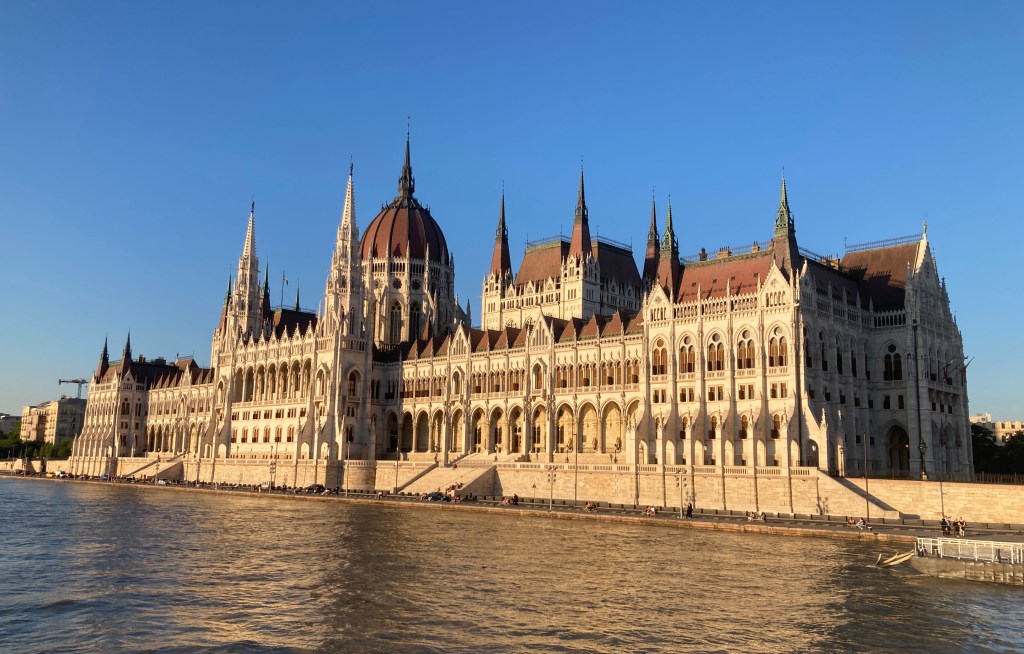
After lunch we re-joined the tourist trail, taking tram No.2 alongside the Danube to the famous Parliament building, then to the Astoria Café for a much-needed beer. An elderly pianist plinked at an elderly, knackered piano. Elderly waiters presided. A bit of a time warp.
***
There is more traffic in Budapest than in Vienna and it is undeniably more polluted, but I thoroughly enjoyed our first day. It was sunny, and considerably warmer than anywhere we had been so far.
And it is cheaper than Vienna
Wednesday 5 June
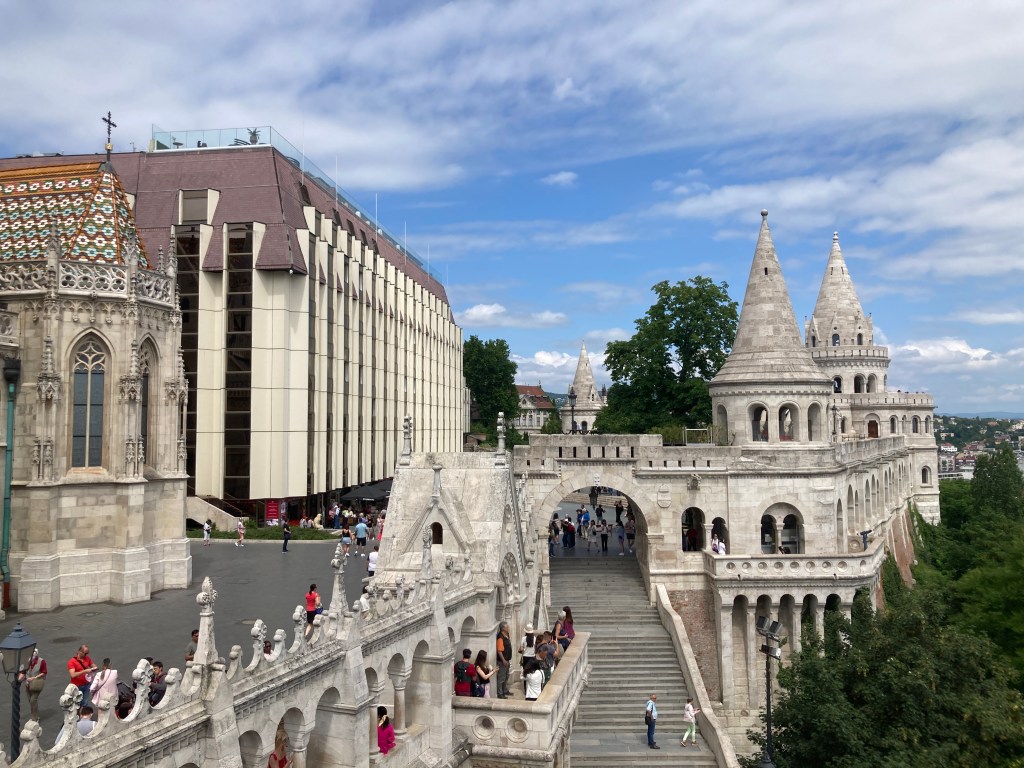
More unabashed tourism. The No.216 bus took us across the chain bridge to Buda and up to Castle Hill, where visitors thronged into and around Matthias Church (heavily restored) and the Fisherman’s Bastion (which has nothing to do with fishing).
But just a few minutes’ walk from its famous attractions, Buda is remarkably peaceful. Anne found Riso, an Italian restaurant set in a tranquil garden. Sleepy after a fine lunch, we nevertheless forced ourselves to visit the enormous National Gallery, before returning to central Budapest.
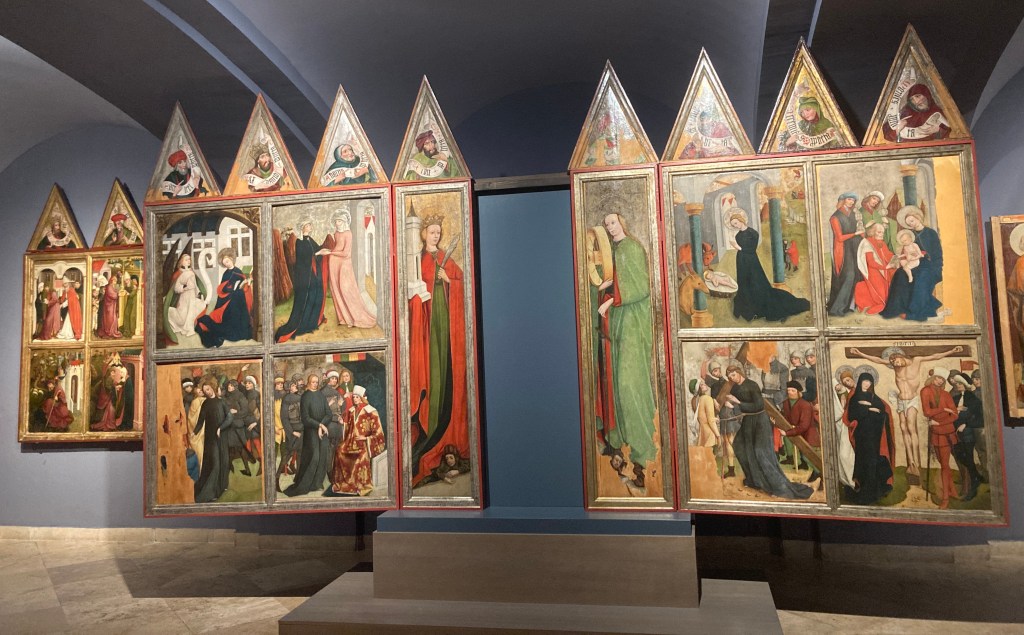
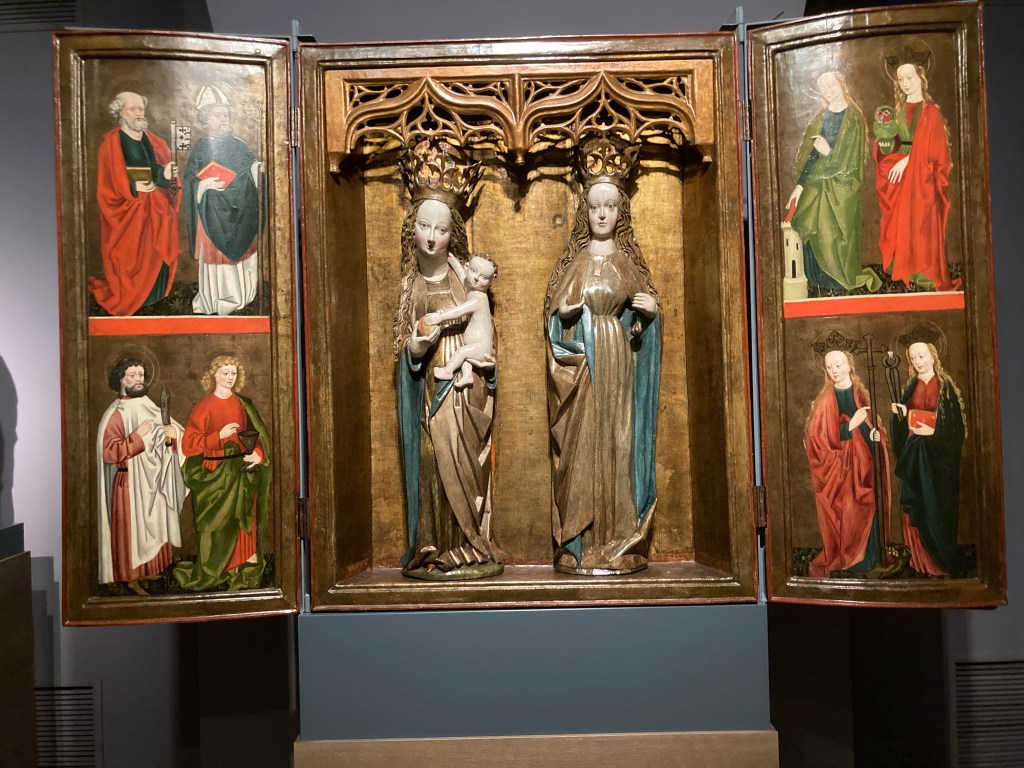
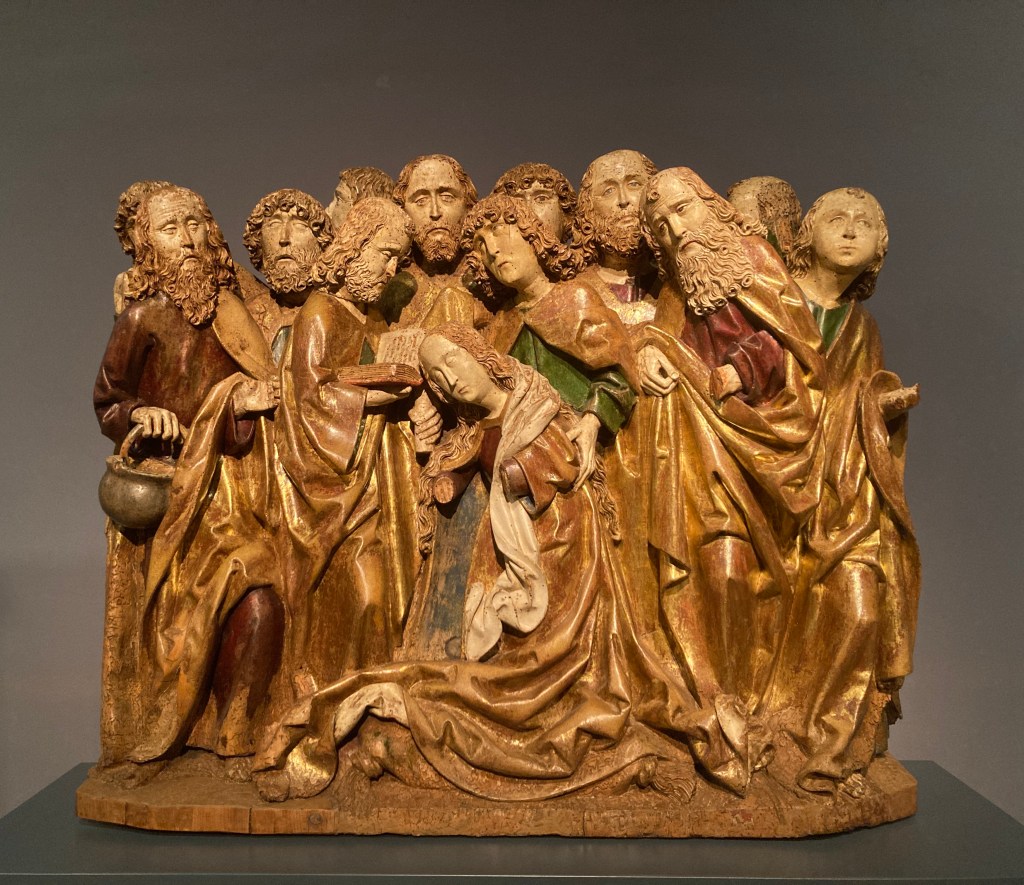
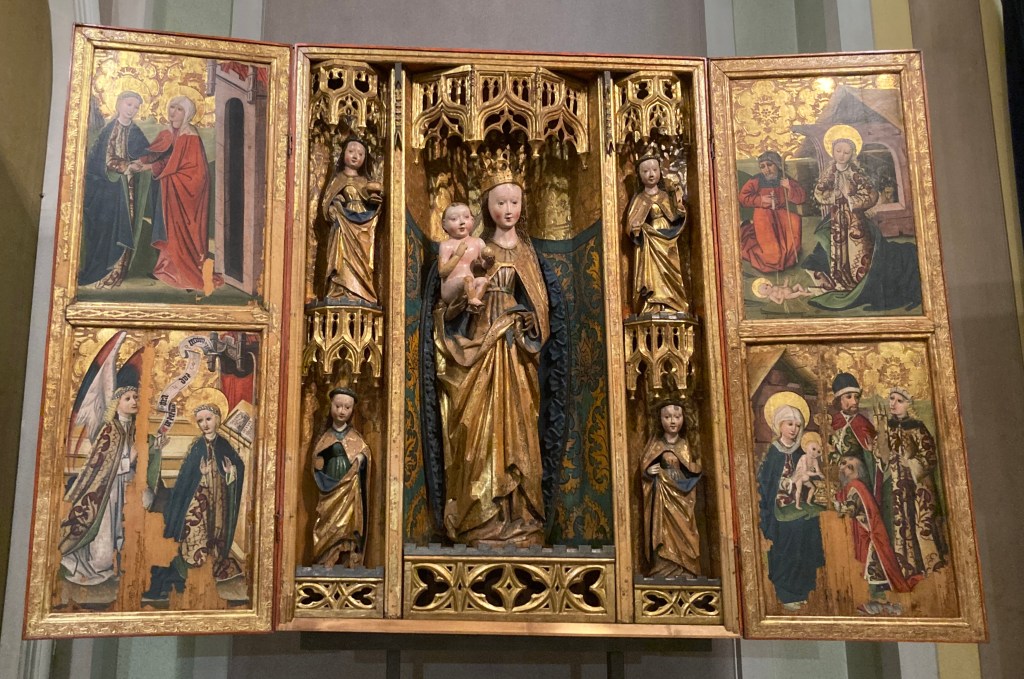
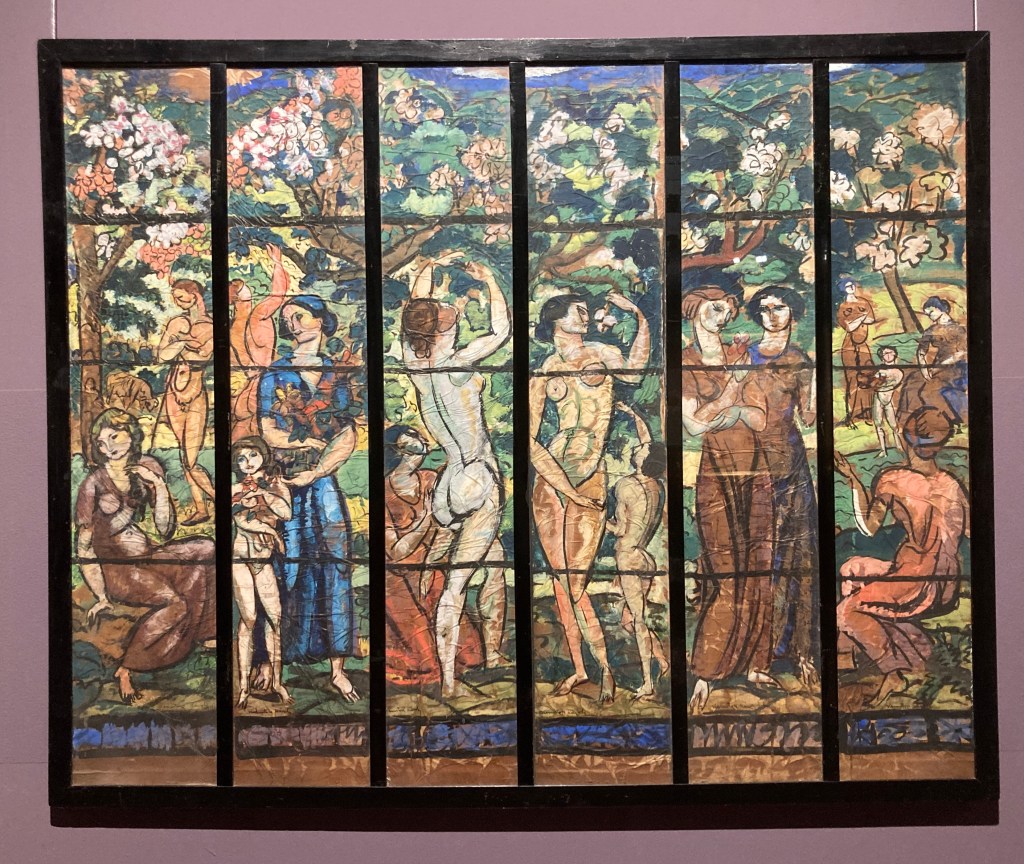
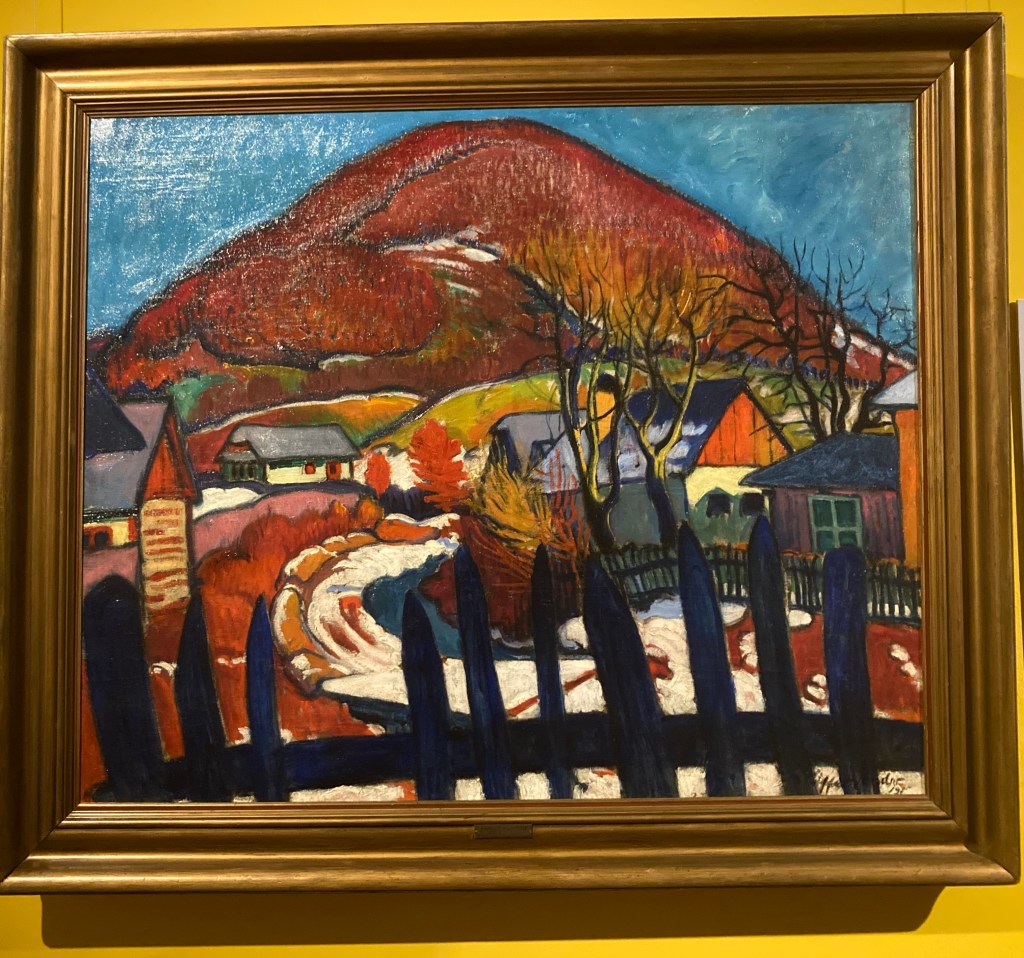


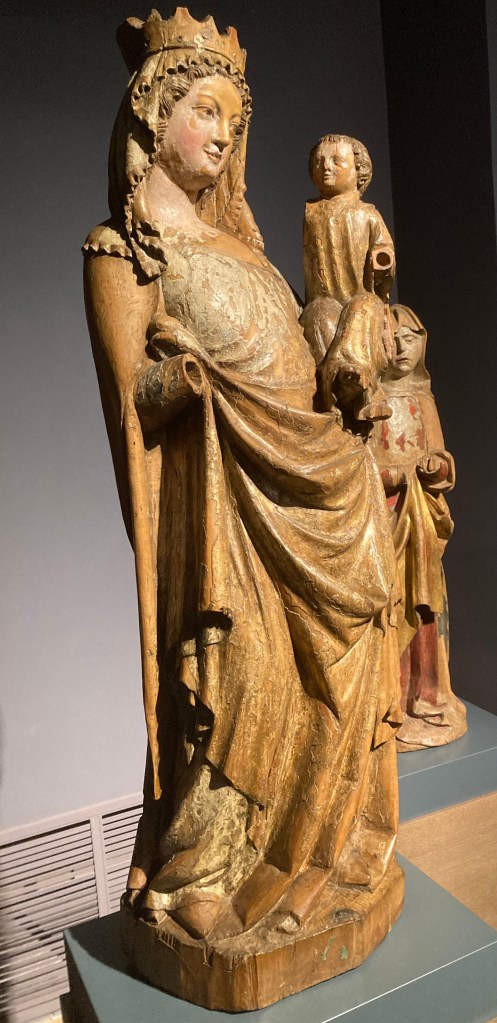
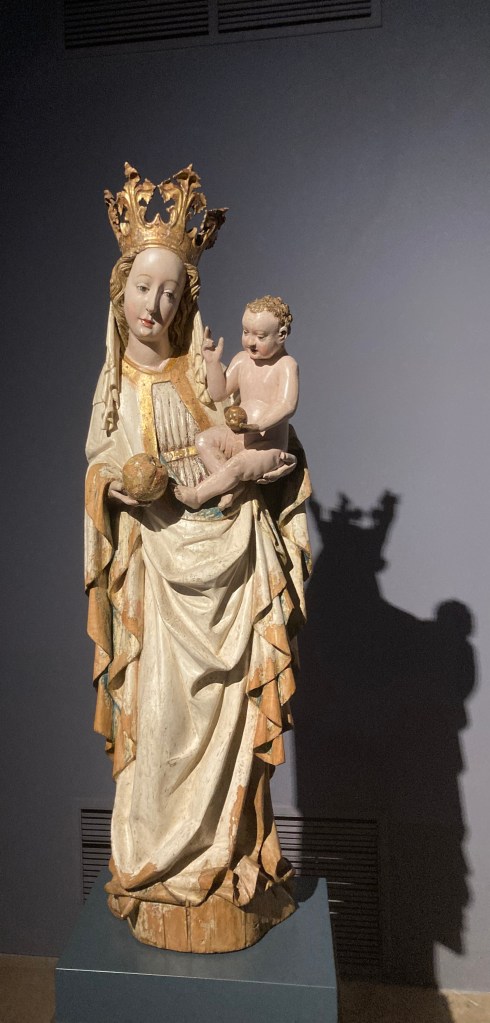
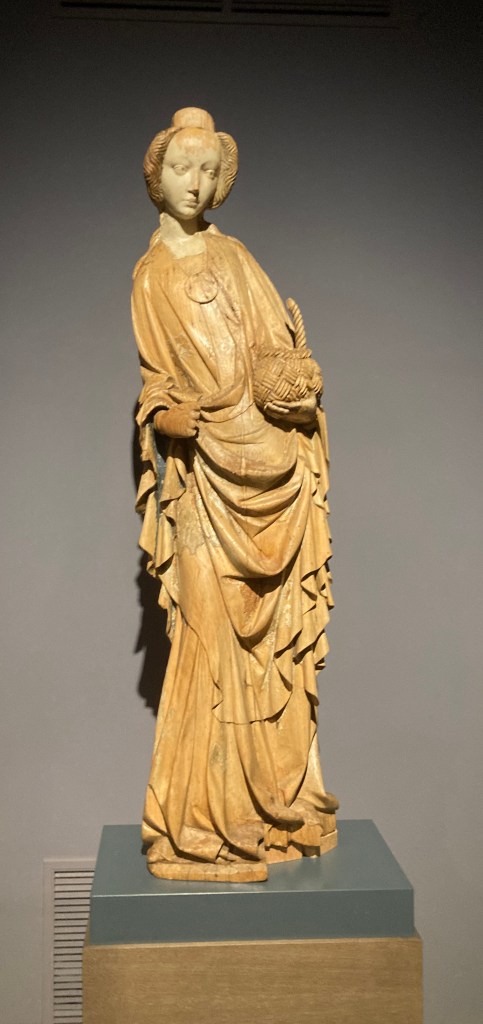
Whilst most people (myself included) would struggle to name even one Hungarian artist, the collection is well worth seeing. The principal European trends are well represented, but it is the Gothic altarpieces and sculptures (many, in fact, from Slovakian churches) that are jaw-dropping.
***
We needed a couple of hours rest
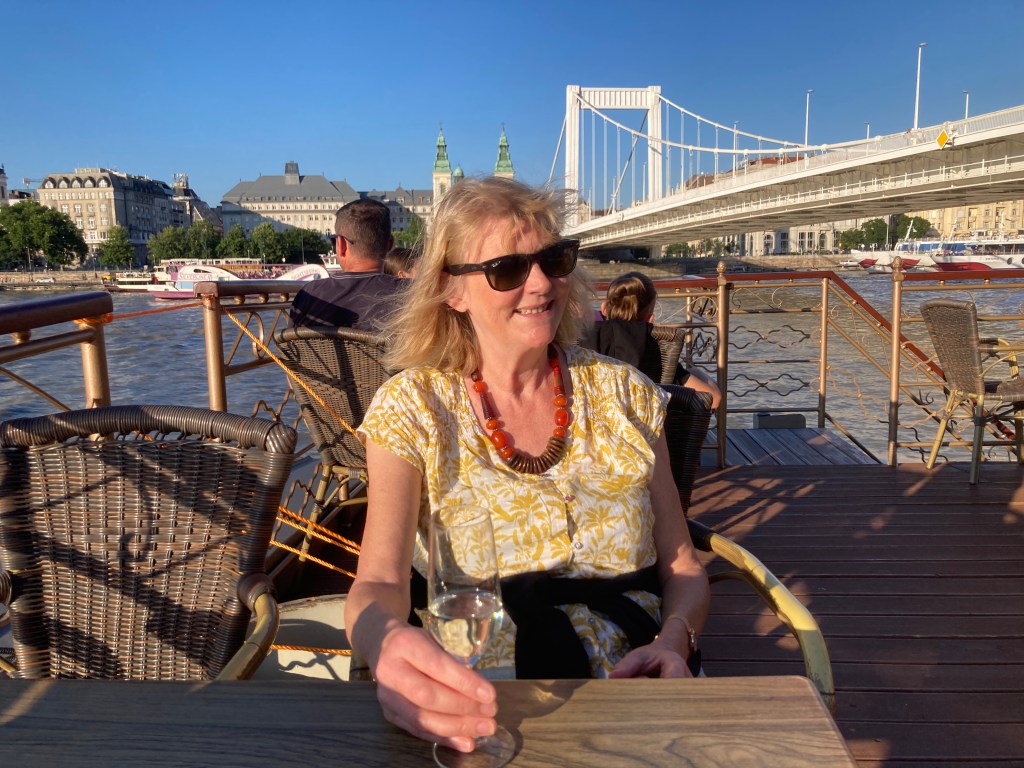
That evening we took a short paddle-steamer cruise up and down the Danube, then to the opulent New York Café. The architecture, decor and music were wonderful, the service execrable – which was exactly what I expected.
Thursday 6 June
Thank god everyone speaks English. Whilst I am solid-to-fluent in the Romance languages and can get by in German, Hungarian is only comprehensible to Hungarians (though Finns will recognise much of the vocabulary). I learned three words, i.e. one a day, and I’ve forgotten two of those. Amateur linguists have a sporting chance with the Slavonic languages (it’s not hard to guess what vino means), though I can never remember which of the few words I know are Polish, Russian, Czech or Croatian. But the Hungarian for wine? Bor. From the Persian, apparently. That gives an idea of what you’re up against.
If you’re learnt Hungarian I take my hat off to you
We strolled past many fine buildings on the grand boulevard to the House of Terror. This scary museum had once been the HQ of the Arrow Cross Party, an appalling gang of fascists who tortured and murdered thousands of Jews and others during the final years of the war, and generally did what the Nazis did. More than 440,000 Jews were deported to Auschwitz by the German Nazis, with the support of the Arrow Cross, in summer 1944.
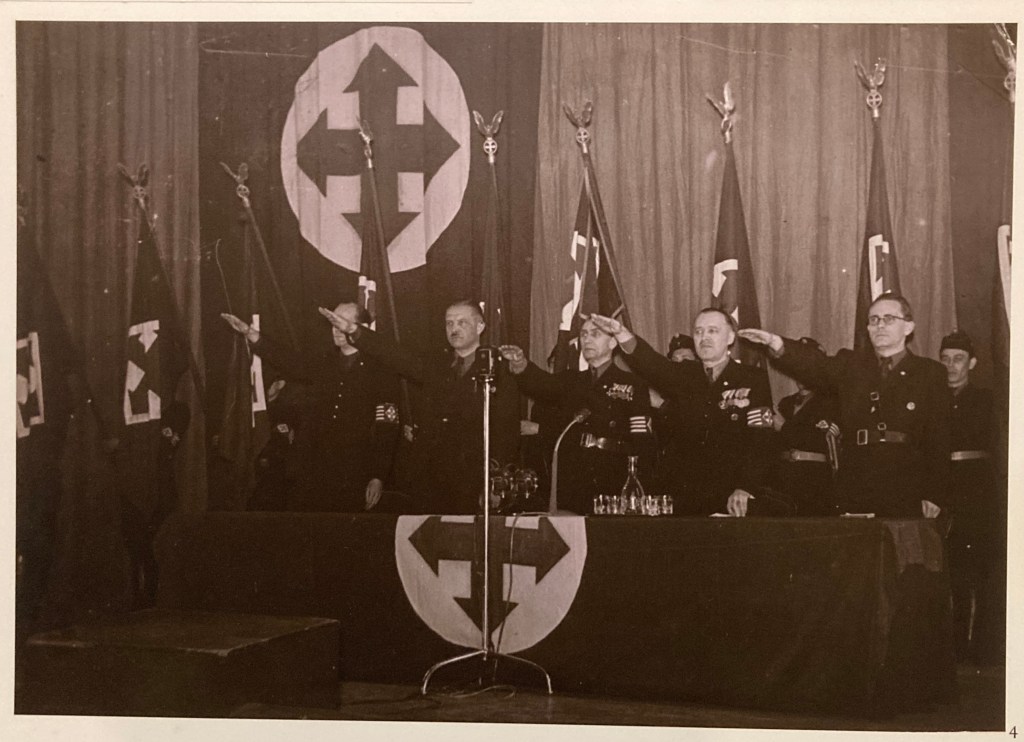
The museum documents these fascist atrocities, but also those of the AHB (the KGB, in its Hungarian guise) who took over the building after the Soviet “liberation”! As with the Gestapo and the East German Stasi, many of these psychopaths and criminals simply “changed uniform” and carried on much as before. There are numerous video testimonies to their cruelty.
Gruesome visitor experience, not to be missed
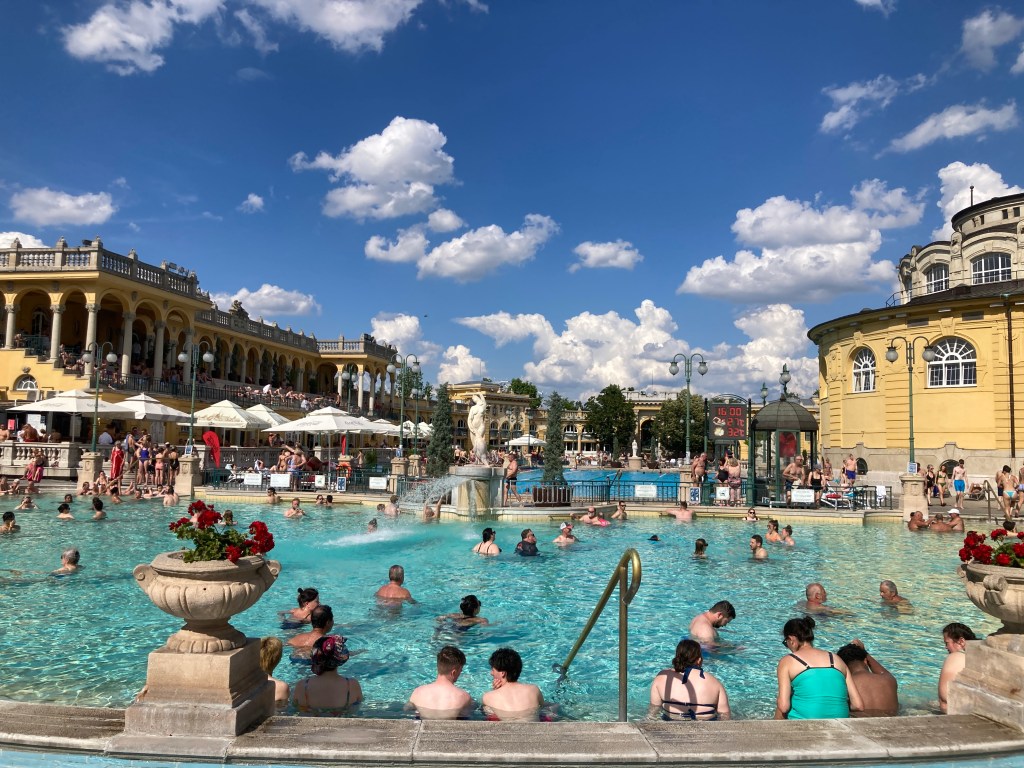
We popped into the stunning opera house on the way back to our room. Then, after lunch, to the wonderful Széchenyi thermal baths. Not just a swimming pool, but a suite of different pools, both indoor and outdoor, ranging from a very hot tub to a freezing cold plunge pool. And with a bar! What a great way to relax on a summer’s afternoon. There are several thermal baths like this in Budapest, open all year.
Our day ended with an excellent dinner at Ket Szerecsen (80 euros for two, including a bottle of wine and a couple of negronis). Finally, a shot of palinka.
Friday 7 June
To see a little more of the country we took a train to Visegrád from Nyugati station. The royal castle is situated on a hill above the Danube bend and, in theory, there should have been memorable views.
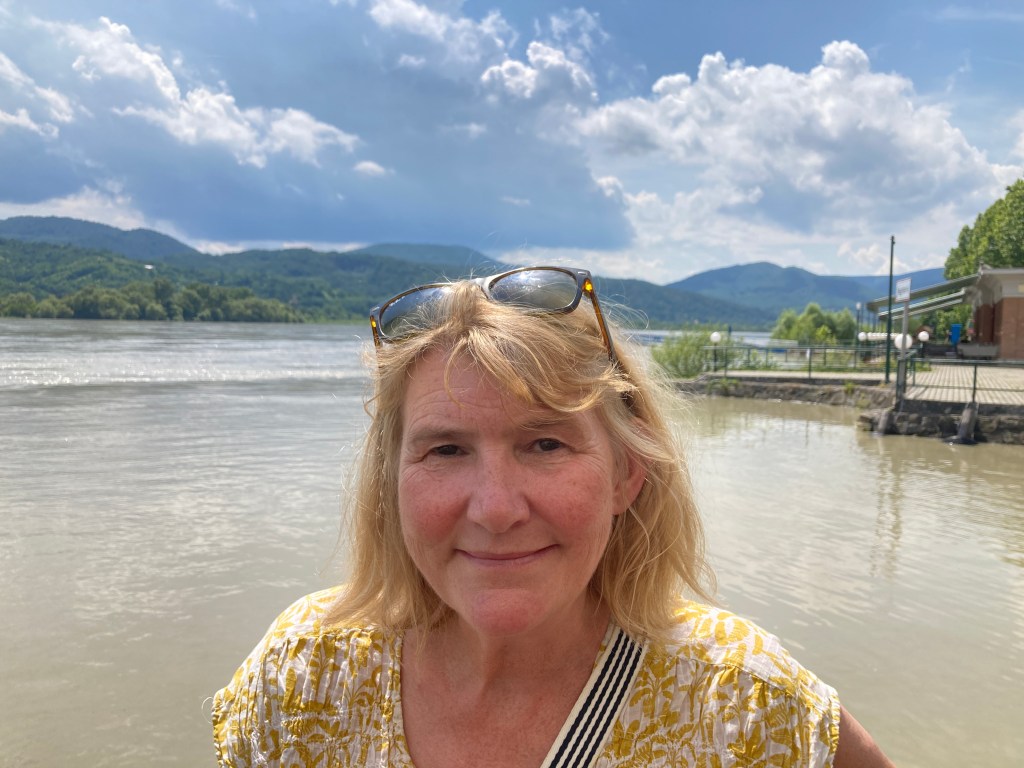
But heavy flooding meant no ferry service across from the railway station, so we relaxed by the river with a beer for an hour, then took the train back to Budapest.
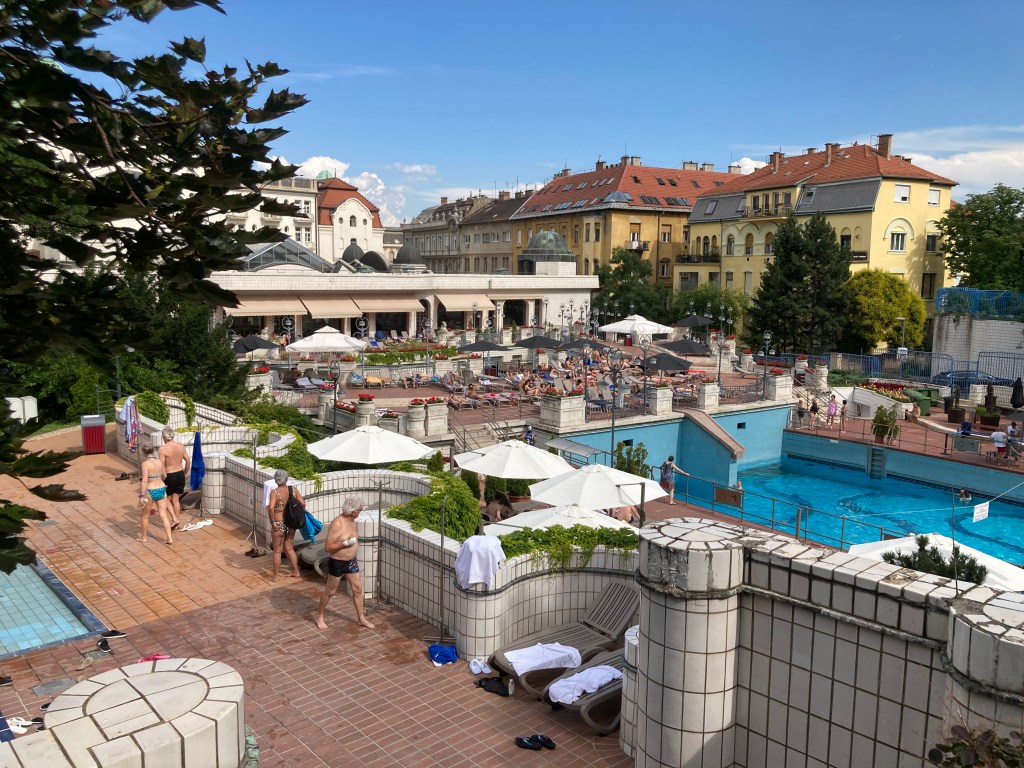
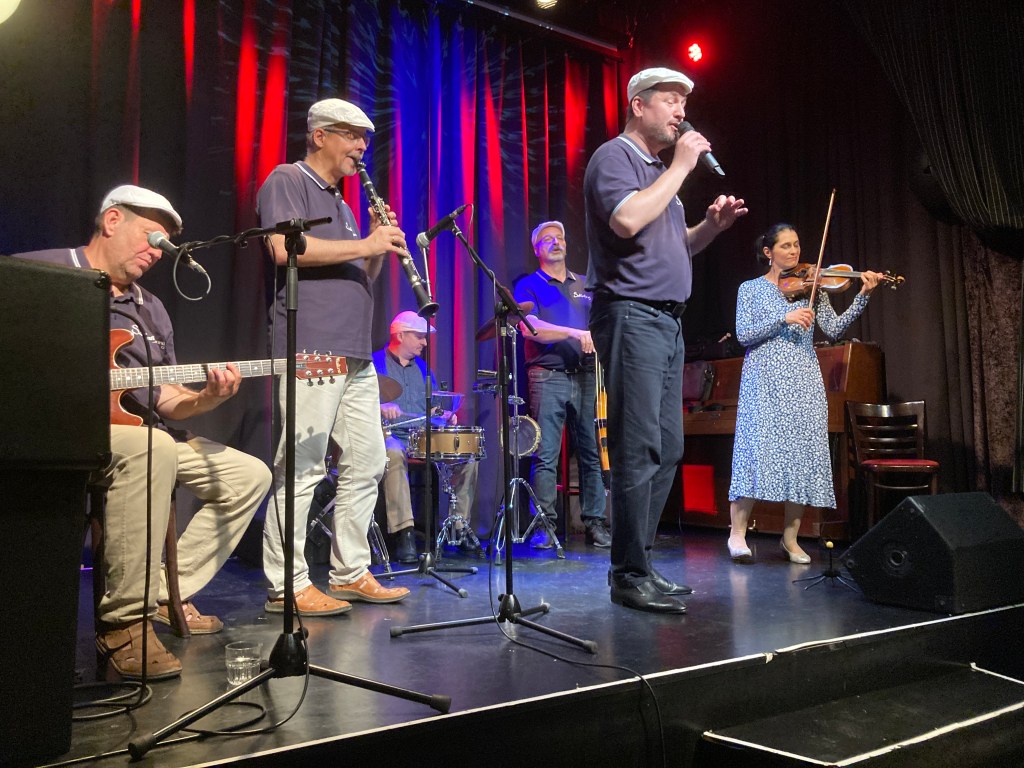
Change of plan… a tram out to the Gellért Baths, a beautiful art nouveau complex. Then to Spinoza restaurant for a kosher supper of roast goose followed by an hour of klezmer. Brilliant.
Saturday 8 June
Another change of plan: rather than endure an eight-hour train journey to Zagreb via Zidani Most, we saved three and a half hours by taking a Flixbus.

A smooth journey on the excellent motorway past Lake Balaton, with beautiful views of forests and open, fertile plains.
We loved Budapest and its people
 The Wight Stuff
One thought on “Europe from Z to Z, part III”