It’s 10 years since I retired from the British Library. A decade indeed! In mid February I reached my 70th birthday: generally known as a milestone, and it certainly feels like it. Hard not to refer to my age when meeting ex-colleagues, as I did last week, one of whom I had not seen since I left the Library in March 2015. She genuinely seemed not to have changed at all… although, at 57, she is quite a bit younger than me, and she does look after herself.
Both my female ex-colleagues have reinvented themselves since leaving the Library and are still in work, self-employed. Both have gone into the mentoring / counselling / team-building sector that hardly seemed to exist when I was a lad. People with depression and crippling self-doubt blundered along, suffering in silence; disfunctional organisations carried on disfunctioning. I too have my dark moments, though they seem to me to be a logical reaction to what I have learned about life! As you shall see.
***
We’re already more than a third of the way through 2025: a year that, for me, looks pretty much like last year, and the year before. Since Anne retired, a routine seems to have been established. I am not complaining about starting the year with a holiday somewhere warmer and livelier than mid-winter UK: somewhere with plenty to see and do. This year it was Sri Lanka, last year it was Goa. That saw off most of February, surely the most boring month of the English year.

While we were away we had a few jobs done on the house – things I seem to be too old and/or lazy to do myself, and I am happy to pay someone else to do the work. Luckily we can afford it.
After that we went to Paris for a couple of nights, to see an exhibition in the Grand Palais and the reconstruction work on Notre-Dame – and just because we like going there. Forty years ago I would never have imagined I would have been able to go any time I wanted to. There was no Eurostar back then; travelling to Paris, by air, ferry or the dreaded hovercraft-bus combo, was laborious and relatively expensive.
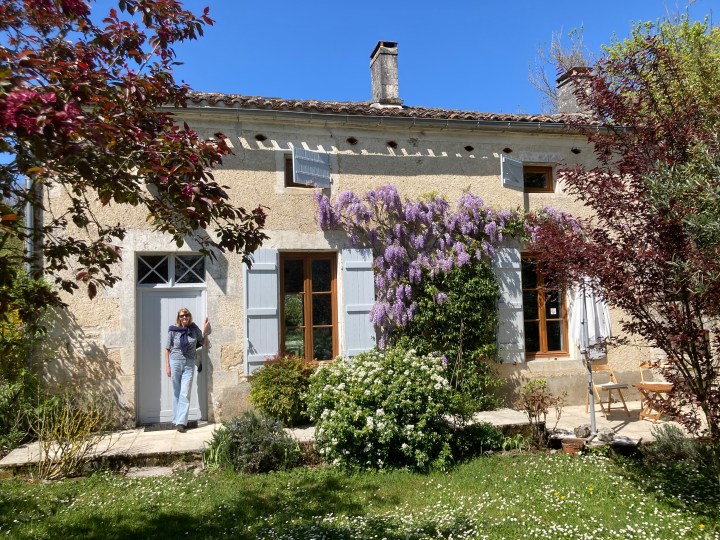
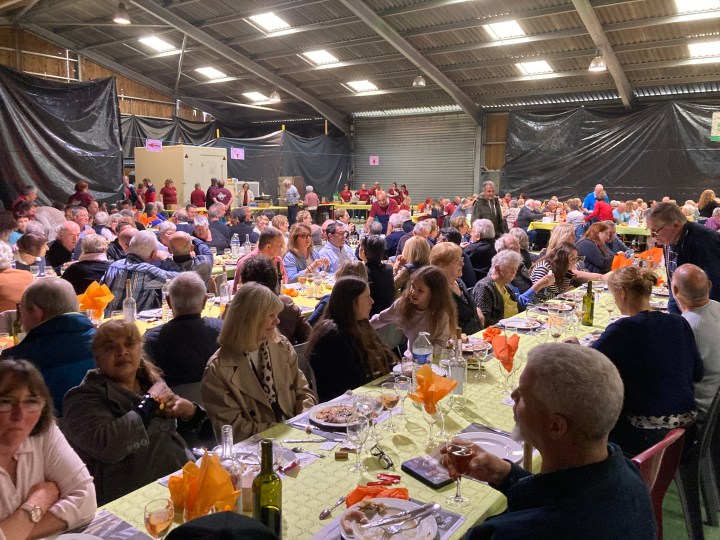
In April, we had a fortnight at our house in Charente, seeing friends, undertaking some gentle maintenance, and enjoying everything that makes rural France such a welcome contrast to London life.
The weather was warm and dry
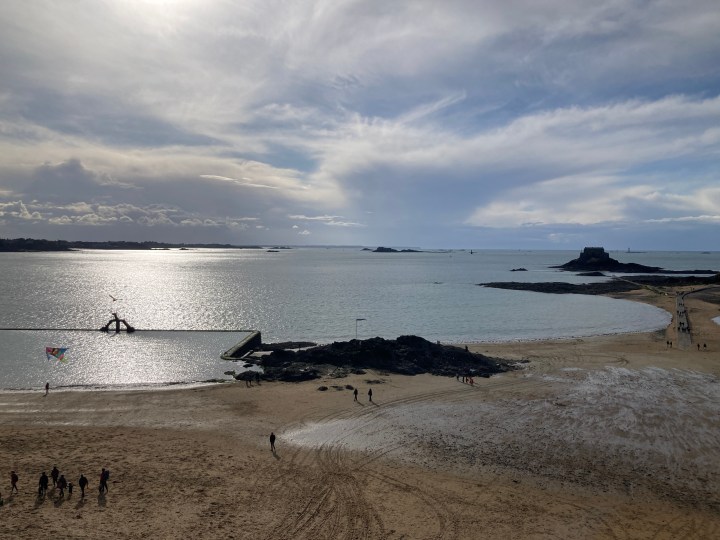
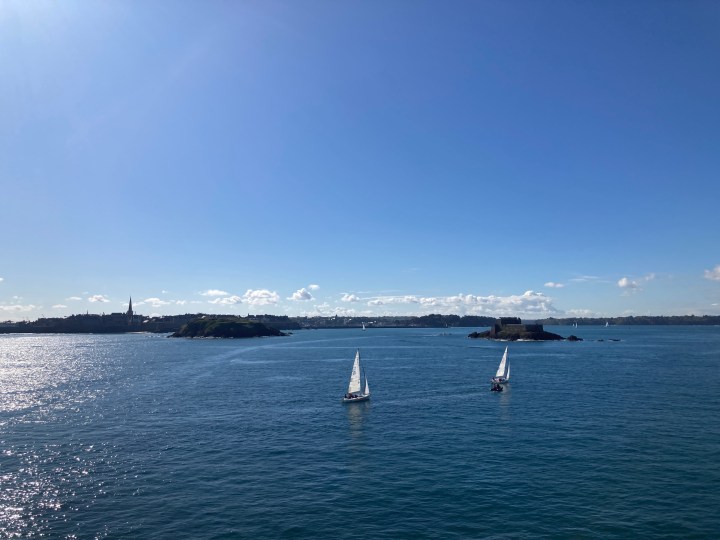
On the return journey we stopped overnight at a little hotel in Saint-Malo.
***
Sprinkle in some art exhibitions, cinema visits and concerts at the Wigmore Hall, trips up north to see Mum and to traipse around the Lake District, initial work on a fourth One for the Wall album, another AGM for The Herne Hill Society, and more socialising. Plus a more determined than usual effort at tidying and de-cluttering. Nothing dramatic, with everything apparently under control. A good, busy life.
I am fortunate to be able to enjoy such a comfortable and stimulating retirement. Of course things occasionally go wrong, and we are spending more money than is coming in (not surprisingly, you may think), but I am not worried about ending up on the streets.
Money is not my main concern
Last week we went up to see my mum in her care home in Wirral. She loathed it at first, but that it is now over three years ago and she seems content. Although that could be down to the medication!
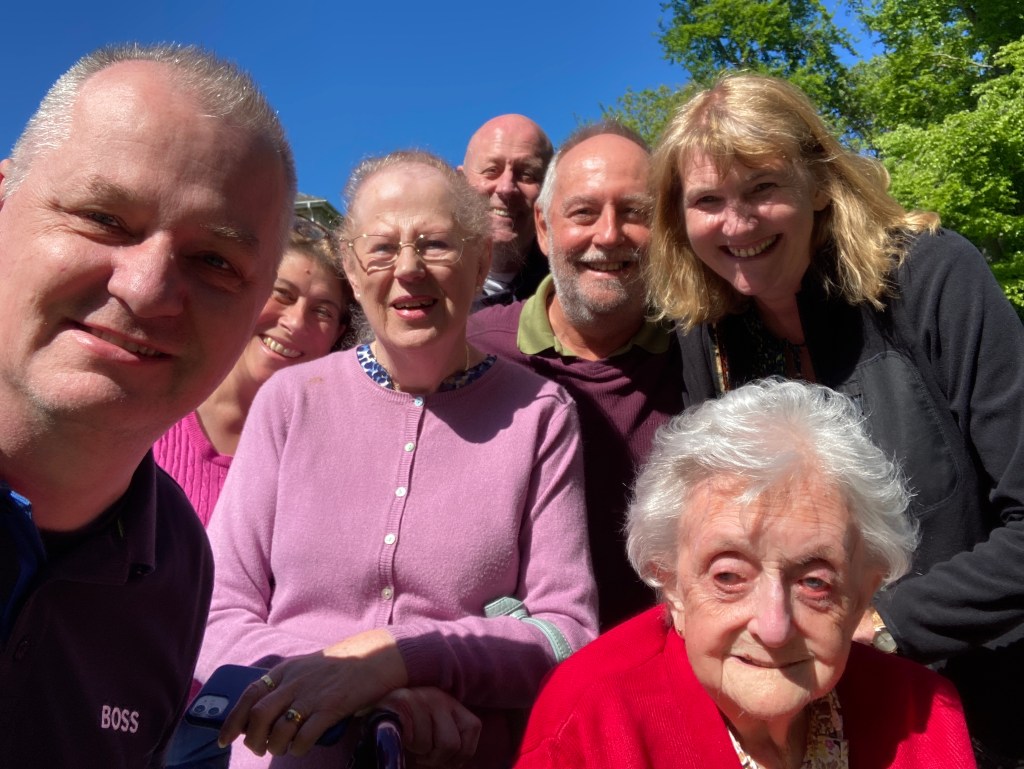
In this photo, she’s in the garden with what remains of my family, as well as Anne and me.
It was her 95th birthday
People say, “Your mum looks great”. But she is not. She hardly eats. She is so weak that she can barely stand unaided for more than a second. She has, like most people of her age, dementia. But it could be worse: she still seems to recognise me, although I’m not sure if she knows who anyone else is. It will get worse, but as long as she enjoys some quality of life, I am happy for her. She is, however, a different person from the pretty young woman who brought me up and taught me to read. I regret not being a kinder and more understanding son. Finally, I am trying my best.
***
Happiness depends on health
For example, I pulled, and probably tore, a hamstring in October and I’ve been hobbling around ever since. Some days it hurts like hell; today it’s not bad. I never imagined it would take so long to get fit again. It begins to prey on your mind that you might be limping for ever. Physical health is such a fragile thing and all my contemporaries have had problems: hearing loss, arthritis, heart ops, knee ops – it goes on and on. I’ve written about this before. My friends and I laugh about it but it is a tad depressing, even when life is generally pretty good.
Even more worrying is the inevitability of mental decline. As I have realised recently, there is a big difference between being 60 and 70. When I retired I wrote a novel, took on a major First World War research exercise, managed a home extension project, learnt basic Romanian, and so forth, and all at the same time. I am proud of what I achieved during those first years. I do not think I could take on something like that anymore. Is it an inability to concentrate, or simply a lack of will power? Actually it is both. I have noticed changes in myself: I don’t sleep well, I am starting to forget things, and I make “silly” mistakes. I am sure it is all age-related.
Fear of dementia
It’s not difficult to talk about your tinnitus or hip replacement, but it’s harder to talk about mental decline. My mother is only 25 years older than me, and my next 25 years, from 70 to 95, will pass all too quickly. This is scary indeed.
***
We have good days and bad days, and of course it’s important not to get too anxious about terminal mental decline just because you forgot where you put the car keys. And while mental decline is a certainty, senile dementia is not.
But to come to the point, I do not want to live as my mother is living now. Whilst she has a son to manage her finances, send her flowers and visit her, my circumstances are different. I have no children and no brothers or sisters. My cousins, whom I have a good relationship with, live far away and have their own families to worry about. Anne is in a similar position. This is an unusual situation, and it would be stupid not to think about the future – even if it’s two decades away.
The likelihood is that I will decline and die earlier than her because I am older by nine years, although that is not a given. In any event, as Anne and I get older we will end up on our own. Our friends, of which we have many, will find it increasingly difficult to travel and we will stop seeing each other. When our health starts to fail it could be a miserable existence, as I have seen with my parents. The time comes when you need to think about how your life might end, just as everyone needs to write a Will.
I am in favour of assisted dying
That’s an understatement: I believe it is cruel to force people who are terminally ill, often in excruciating pain, to carry on living against their will. I strongly support Dignity in Dying. This Friday will see the first opportunity for the House of Commons to debate Kim Leadbeater’s Bill since its momentous Second Reading last November, when a clear majority of MPs voted to progress it. Report Stage enables the House to debate and vote on amendments to the Bill, following the work of the cross-party Committee earlier this year. This will be followed by a Third Reading, which will determine whether the Bill can progress to the House of Lords. I am hopeful that it will become law.
But I would like to take things further.
Why should anyone have to be terminally ill? If I get to, say, 90 years of age and have no desire to go on living, who’s to tell me that my life can’t be brought to an end without me having to resort to some painful or anti-social way of doing away with myself, such as diving in front of a bus? Your religion might preach the sanctity of human life, but I don’t share it, so kindly don’t interfere with my life choices. (I’ve always thought it interesting that many people who regard suicide as a sin don’t seem to have a problem with capital punishment or going to war.) No one is going to be negatively affected by my decision apart from, possibly, Anne, and we will of course discuss it. If anything other people will benefit earlier from my Will (though mostly that will be charities, once Anne has gone too). One less burden for society. And let’s be honest… there is already a huge societal problem to which there are no cosy answers.
Society is ageing, at an alarming rate
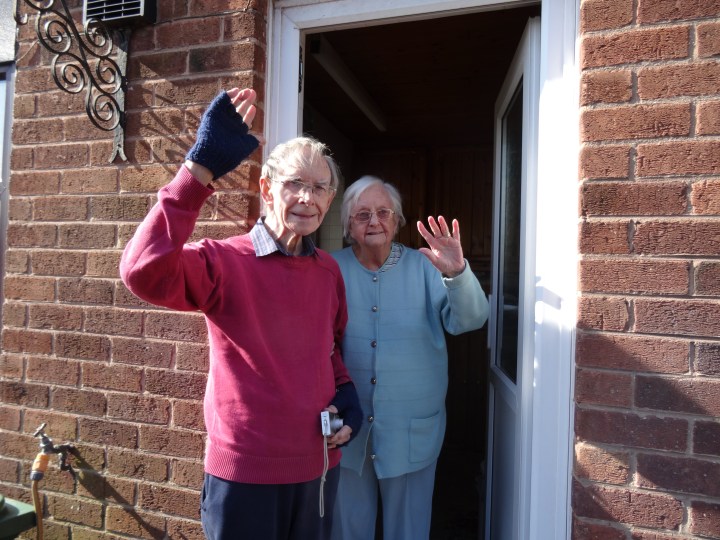
People are routinely living to 100, especially in Europe and the wealthier Asian countries. They are contributing nothing, as my elderly and clear-thinking father was wont to point out, a year before he died of heart failure at 96.
At the same time, birth rates in the most developed countries are continuing to fall. Even if taxes could be raised to cover the costs of caring for the hordes of super-pensioners, we will be unable to find enough people to do the bottom-wiping and spoon-feeding – not even if we scour the globe and abandon immigration quotas. Our Labour government, on the back foot against Reform, is planning to go in the opposite direction: to improve one problem by worsening another one.
And we need all the young, fit people we can get, to do more productive things. Not just in the UK, but the world over.
What’s so great about living to 100?
Nice, isn’t it, to see images of contented old folk surrounded by four or five loving generations? Good TV. But that’s not going to happen to me. In any case it’s a distraction from the big story. You need to very brave to go on TV saying, “We will need to euthenase everyone over 90, unless we can find enough volunteers for early severance”. I wonder when that argument will start to surface? And what alternatives to my drastic solution might there be, because I can’t think of any.
On that cheerful note…
I’m prepared to do my bit for society and sign the “it’s been nice knowing you” form, if and when it exists. Not yet, though. With luck, not for 20 years. I have a good social life and even hopes for a fourth album and a second novel.

Added to which the sun is shining, we’ve just potted up some plants and I’m getting over this dose of the cold. Life can be wonderful… but don’t make the mistake of thinking it will always be so.
 The Wight Stuff