We reluctantly rose at 07:00 for the long walk to Bari bus station to catch the 09:15 Flixbus to Rome.
Sunday 14 September
Something to bear in mind when taking the bus rather than the train is that you are only allowed one free piece of luggage in the “hold”. But the driver did not object when we took our small rucksacks and a bag of food and drink on board with us.
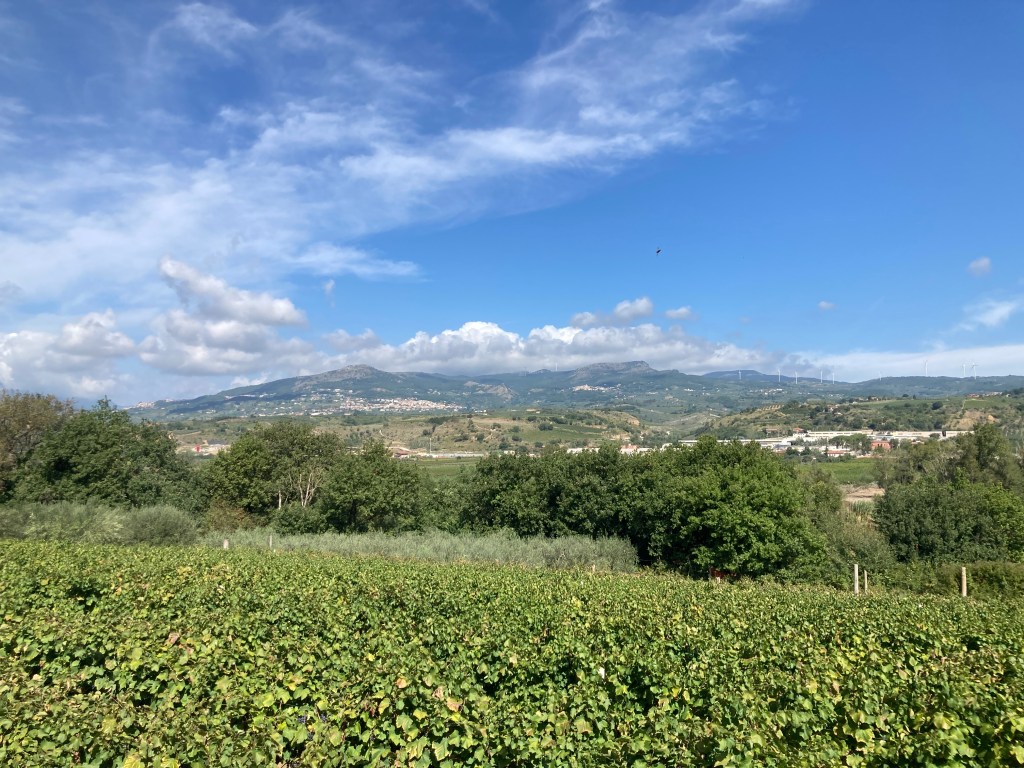
We stopped briefly in Bari at a couple of pick-up points, after which there was just one comfort break: an autostrada service station near Benevento.
We passed to the north of Naples and close to the flat summit of Monte Cassino, arriving at Rome Tiburtina bus station on time at 13:45. It was very straightforward. I had been expecting a traffic jam out of Fellini’s Roma.
From Tiburtina it is only four stops by Metropolitana B (blue line) to Termini. As in Venice, you can just touch in with a bank card – no need to buy a ticket. Termini is one of the biggest railway stations in Europe, located near many top attractions. A five-minute walk took us to the Beehive Hostel.
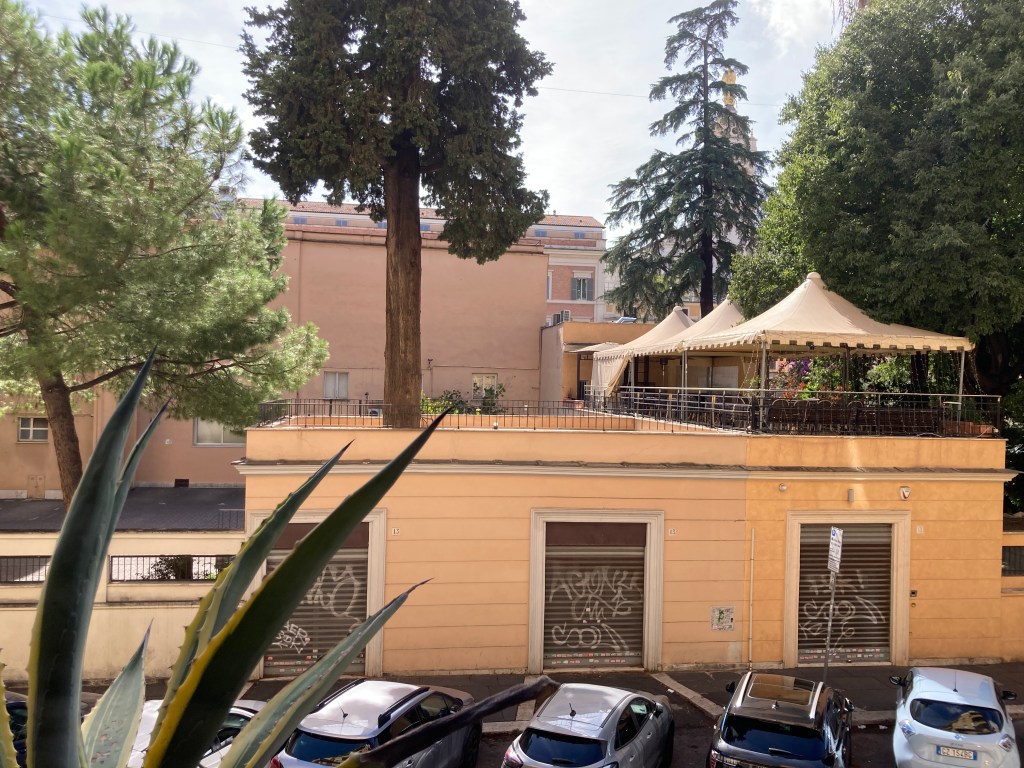
I can thoroughly recommend this place. We had a private en-suite room with AC and balcony (and it was hot all the time we were in Rome). If cash is short, you can slum it in one of the dorms.
Considering how close it is to the station, this part of the Esquiline rione is quite genteel. It reminded me a little of Bloomsbury or the Plaka district of Athens: mainly academic and residential, with a range of good restaurants and small shops.
***
We relaxed and unpacked, then walked back through the station to the Basilica of Santa Maria Maggiore at the summit of the Esquiline hill. The piazza was swarming with nuns and police officers of all varieties. We queued to have our bags searched before entering (it is technically in Vatican territory). The church’s unprepossessing façade conceals a Byzantine interior with magnificent fifth-century mosaics, the Borghese chapel, and much else.
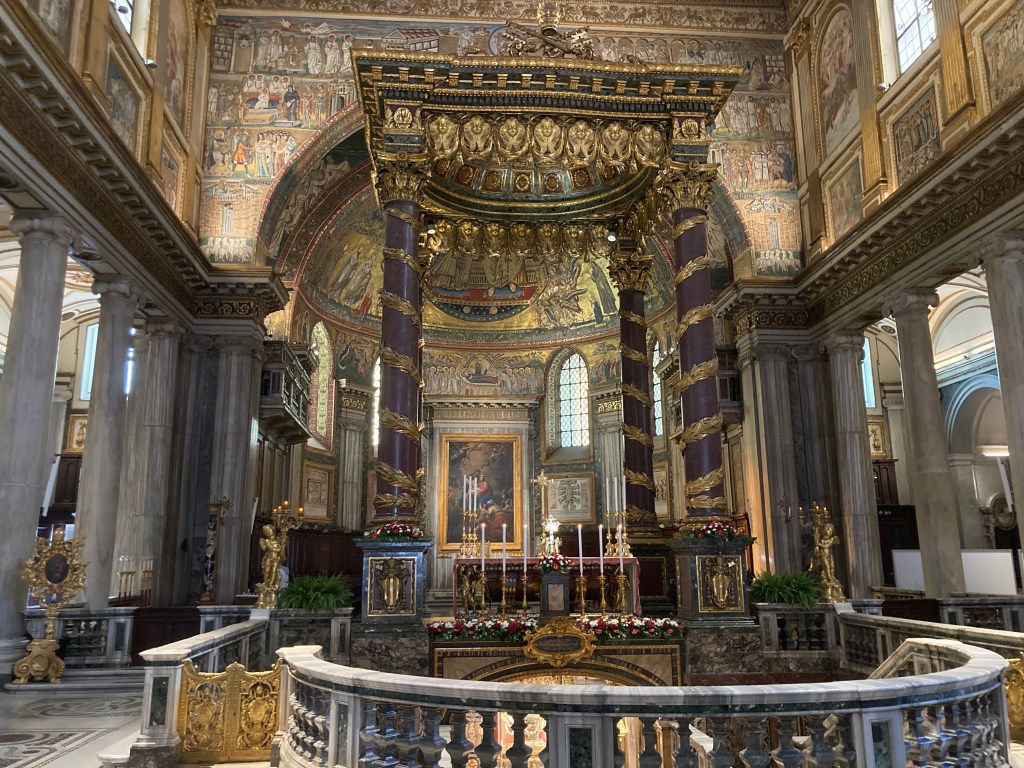
Ideally we would have spent an hour or so there, but it was very crowded, with Mass just about to start. From the sublime to…
… an Irish pub to watch the Manchester derby (City 3, United 0).
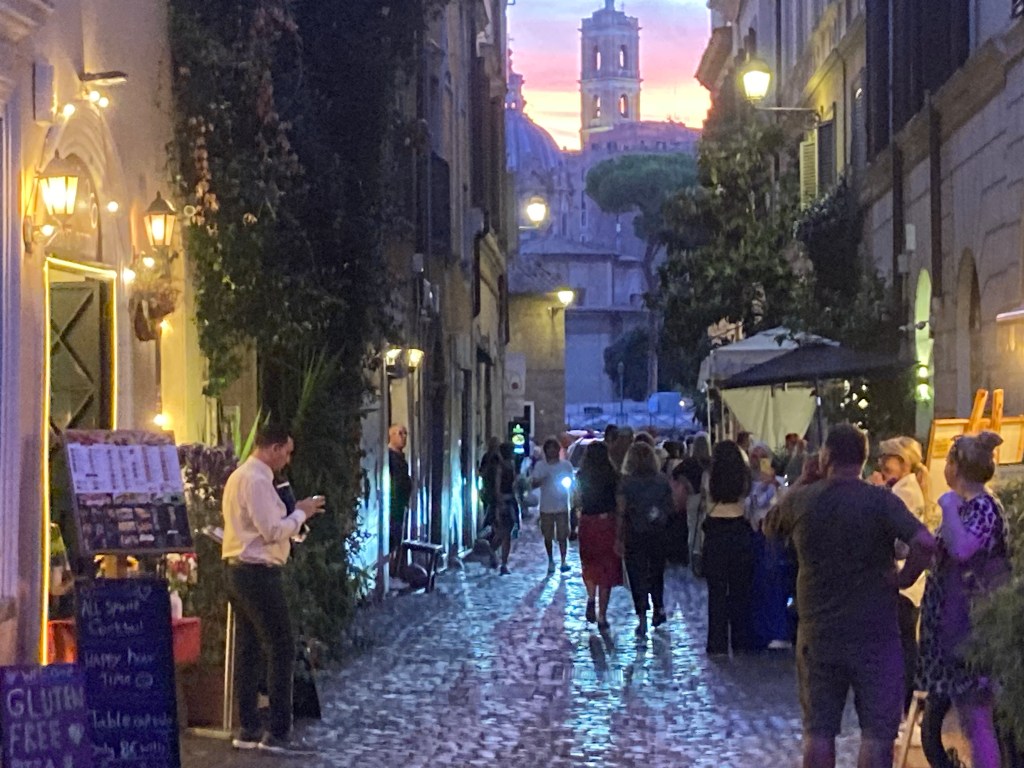
As night fell we explored the neighbouring rione of Monti (lively, if a bit over-touristed), popping into the church of Santa Maria (another one) before dining in the garden of Pizzeria alle Carrette – which was nothing special. Rather than tackle the uphill walk back to the hostel we took the metro, then relaxed with a glass of wine on our balcony.
Monday 15 September
We had been to Rome once before, all of 30 years ago, and were both excited to be returning at last. We were not disappointed.
Fountains, obelisks, palaces…
And lots of churches. Before becoming the capital of Italy in 1871, Rome was essentially a city of antiquities, ruins and religious institutions.
We set off under blue skies for a day of traipsing, passing the Baths of Diocletian (shut Mondays, as so much is) on our way to the Fontana di Trevi.

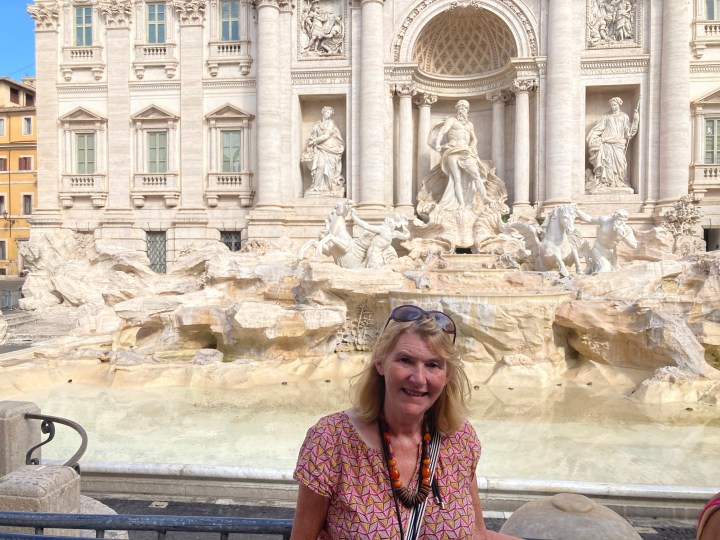
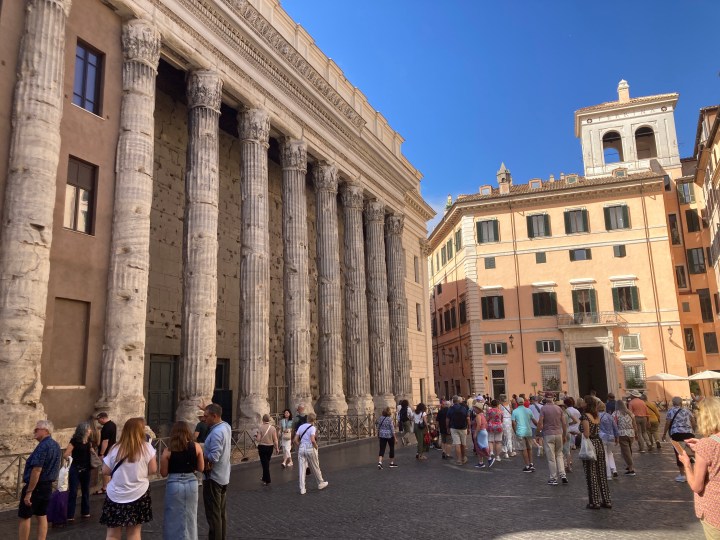

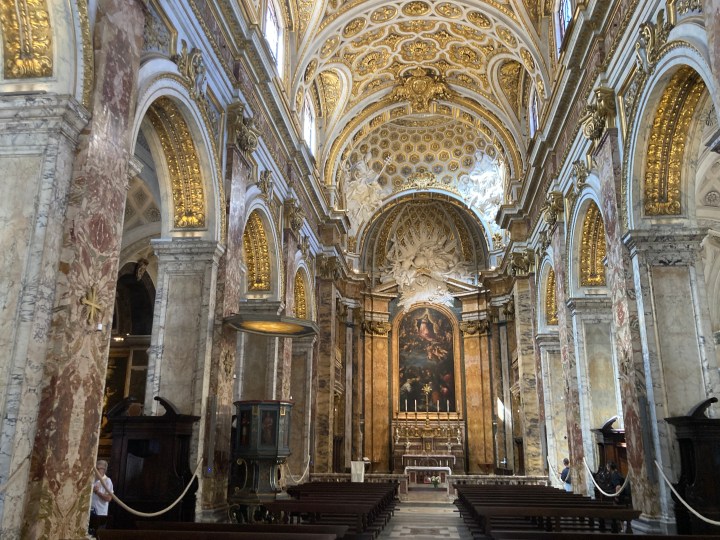
But where was the delicious water from the famous Aqua Virgo source? It was utterly dry, drained for maintenance. A pity. We passed the surviving columns of the Hadrianeum, before entering the first church of the day: Sant’Ignazio di Loyola, where the highlights are a Baroque ceiling fresco by Andrea Pozzo and the trompe-l’œil dome.
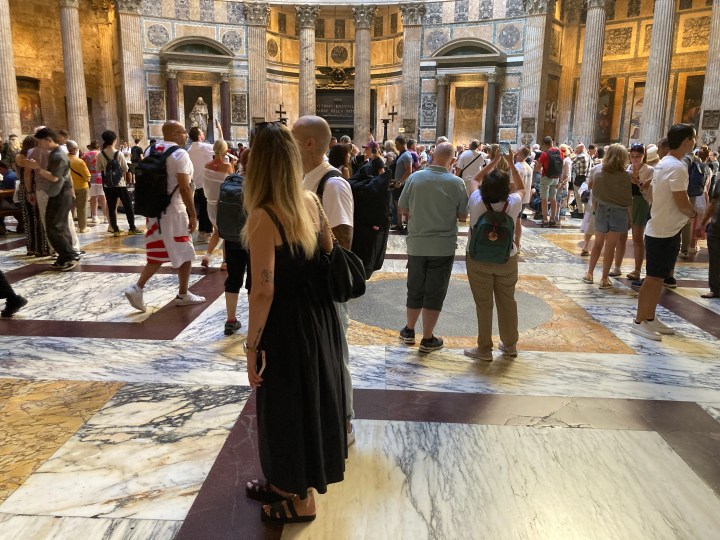
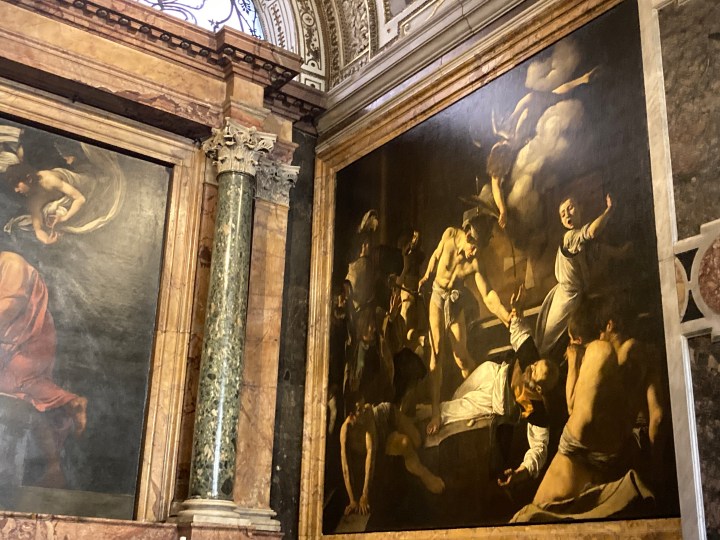
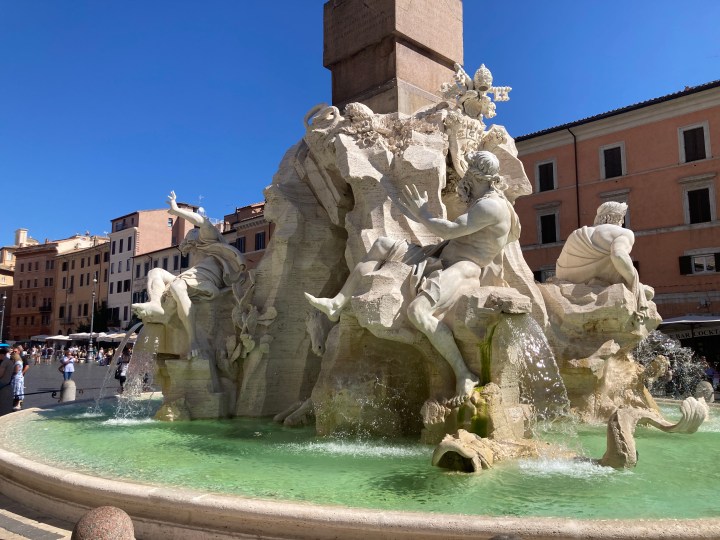
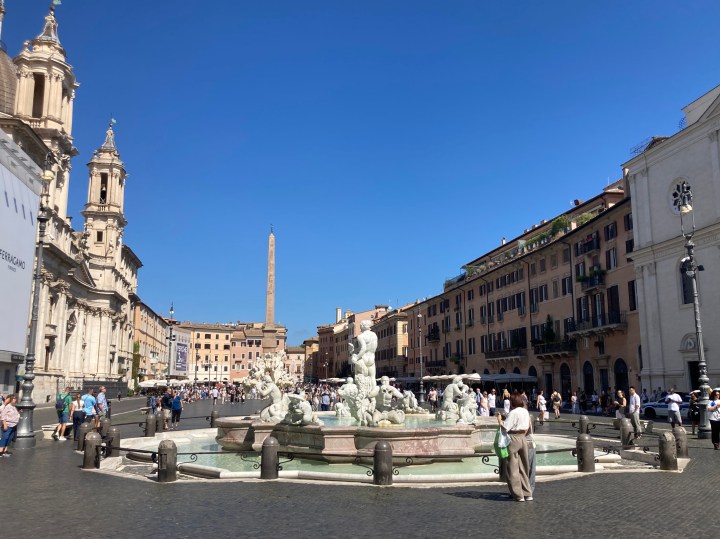
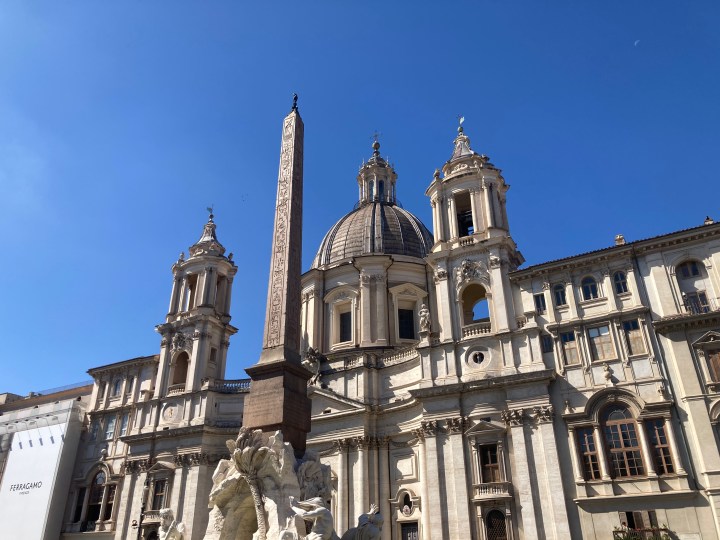
A few minutes later we came to the incomparable Pantheon. Nowadays they charge an entrance fee, but there was still quite a crowd to see one of the world’s most celebrated buildings. Next on our list was San Luigi dei Francesi, housing three large Caravaggios; then the beautiful Piazza Navona and its fountains, built over the amphitheatre of Domitian (so Roman!), where you can admire the genius of Bernini, Borromini and others.
At Bistro Magus on the Campo de’ Fiori we stopped for a refreshing beer. Enjoying the view of the market from the terrace and in no great hurry to continue pounding the cobbled streets, we decided to stay for lunch. I chose the Roman speciality of pasta cacio e pepe, whilst Anne enjoyed a tasty bean soup. A tourist trap? I don’t think so.
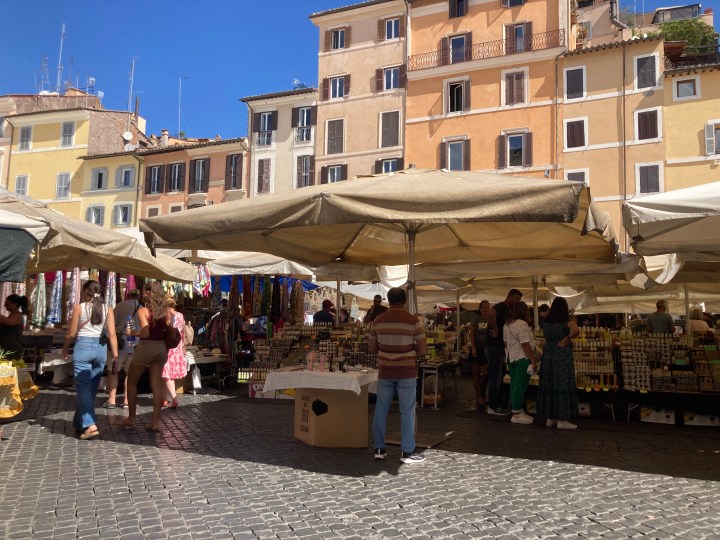
Stating the obvious, as I so often do: just because you have a list of sights to tick off doesn’t mean you can visit them all. You need to have a viable route, lots of energy (even in September it was well over 30c in the afternoon), and – above all – the will-power to press on.
It’s hard to take it all in
And you are there to enjoy yourself. It is not just the famous buildings that make Rome so delightful. You could spend months admiring things you’ve never heard of, because history and beauty are everywhere you look. “Rome is a city of magic round the corner, of masterpieces dumped, as it were, by the waysde,” wrote H.V. Morton in A Traveller in Rome (1957).
***
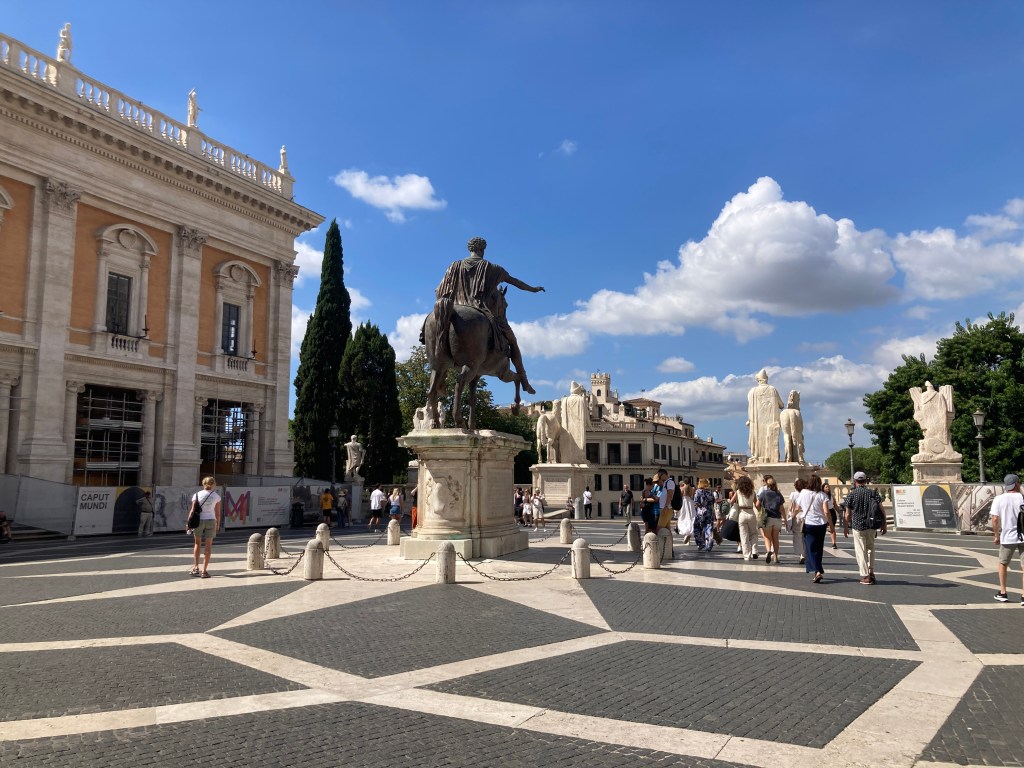
We eventually set off again for the Piazza del Campidoglio, the site of the long-lost Temple of Jupiter that once looked out over the Forum. The climb up the curving ramp to the top of the Capitoline Hill is rewarded by perfect views of the Forum, Trajan’s markets and, away to the right, the Colosseum. In the piazza itself (designed by Michelangelo) sits the emperor-philosopher Marcus Aurelius on his horse (actually a copy, which is why it looks in such perfect condition). All around are exquisite 16-century peach-coloured buildings.
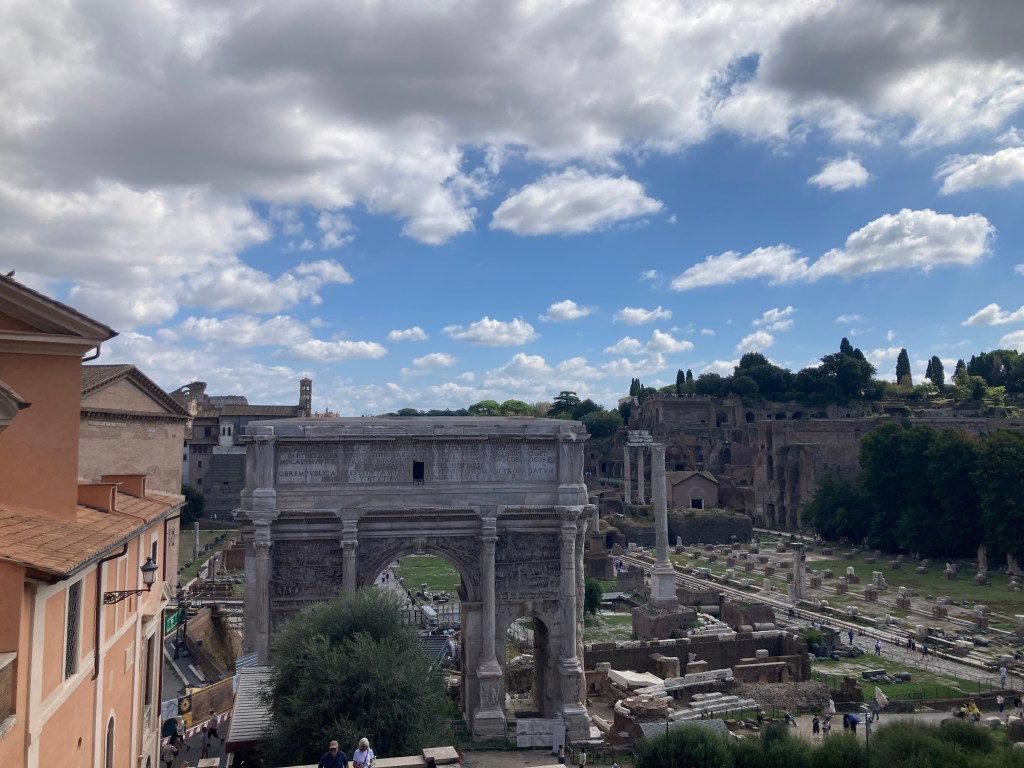
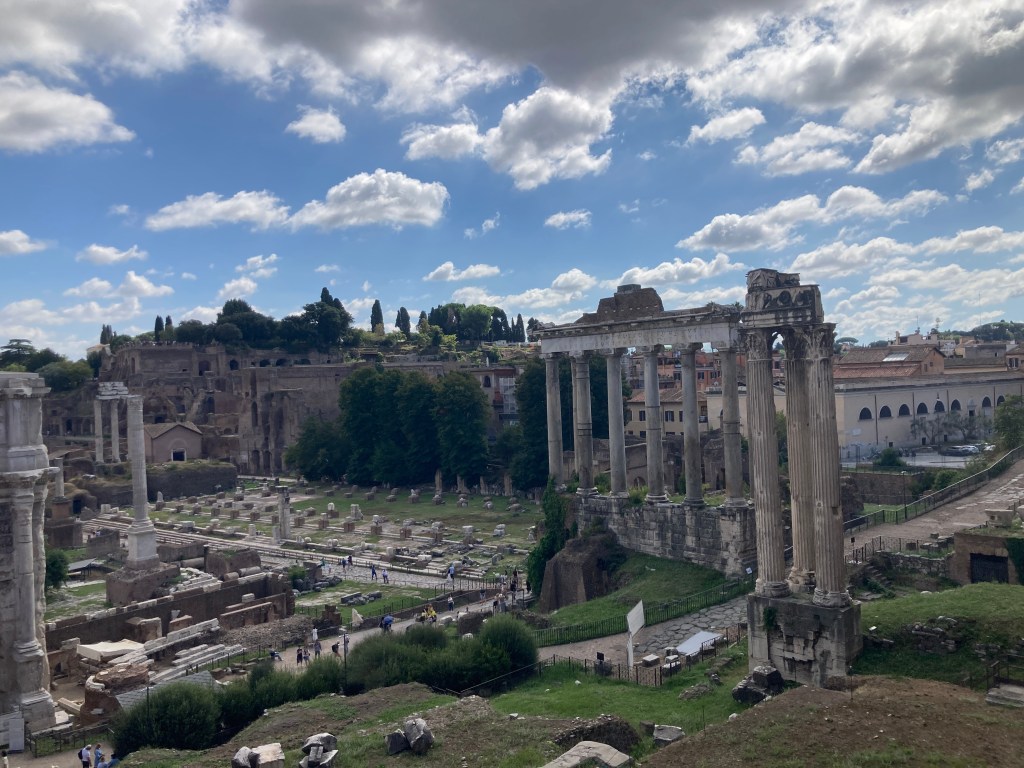
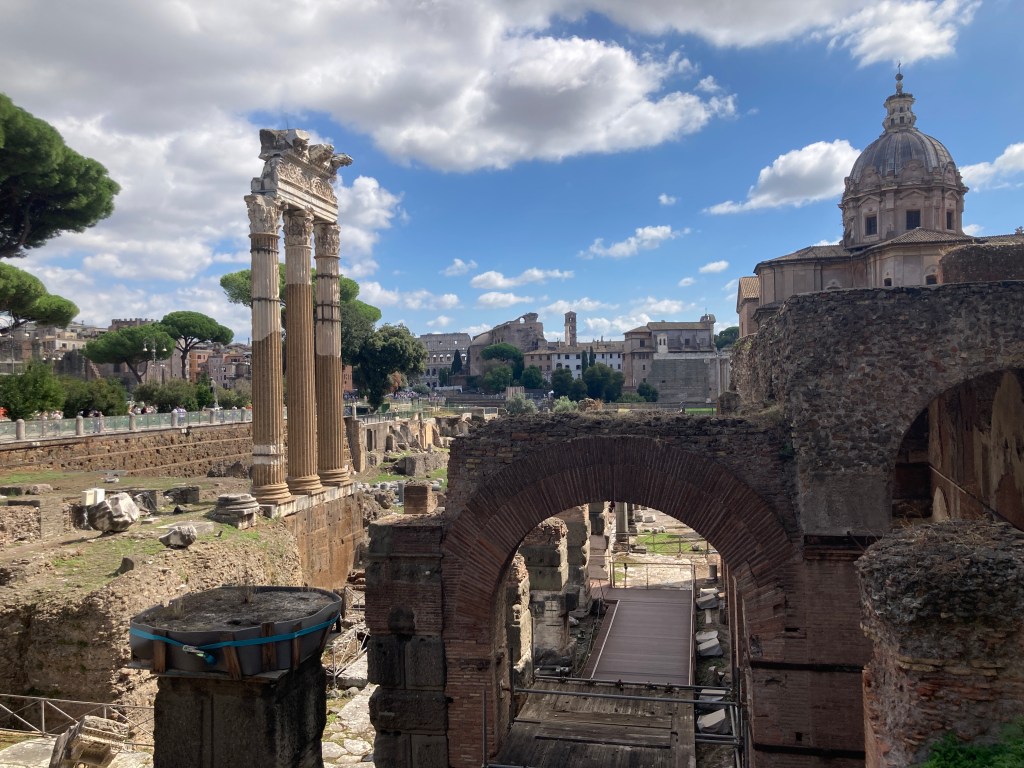
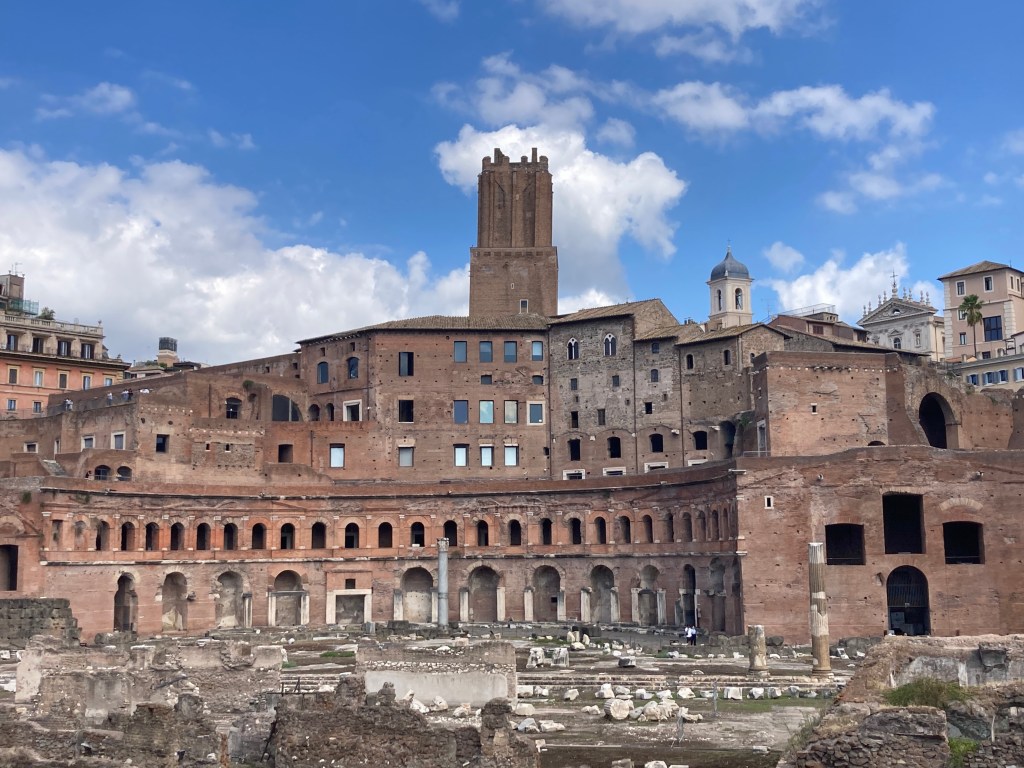
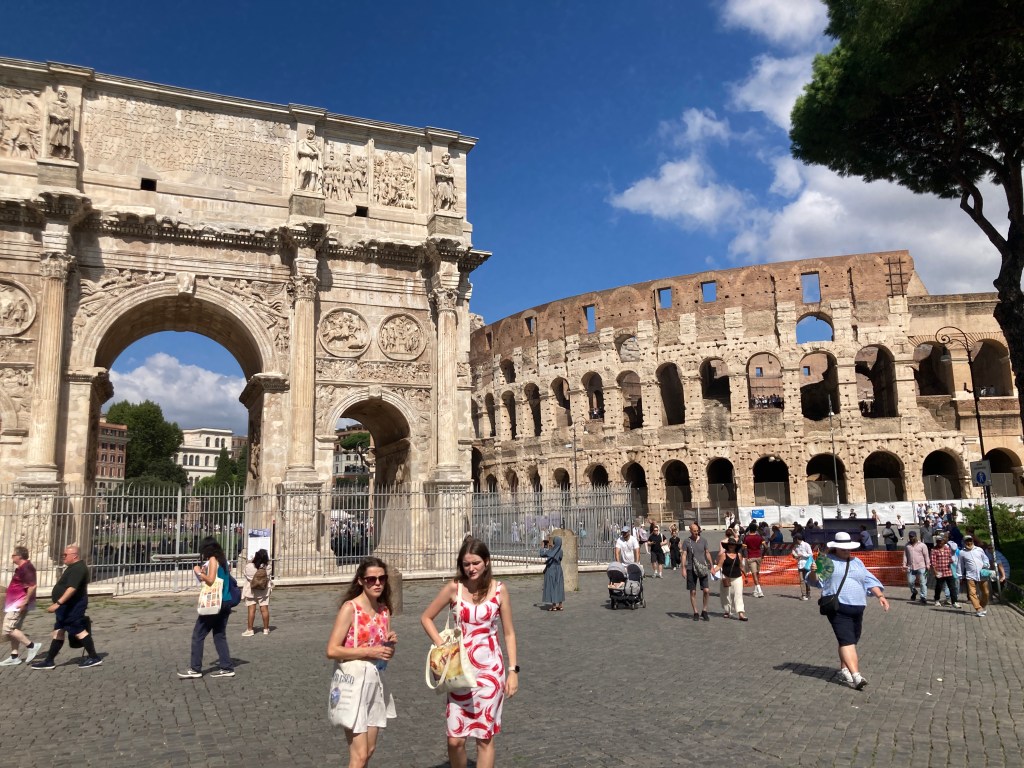
We descended for a closer look at Trajan’s Column, then walked on past the so-called Arch of Constantine to the Colosseum, which was thronged with tourists. Having seen it on our previous trip we decided not to queue to repeat the experience (ditto the Vatican and the Spanish Steps).
The Baths of Caracalla
It was a long walk to our next disappointment: in contradiction to what its website told us, it was shut all day on Mondays. We stopped for a cold drink at a handy kiosk and, since we were a fair way from a metro station and they are few and far between, we trudged back to base, passing the Circus Maximus and stopping at a park for gelato. Rome is not as huge as you might at first imagine, though the hills are real enough.
***
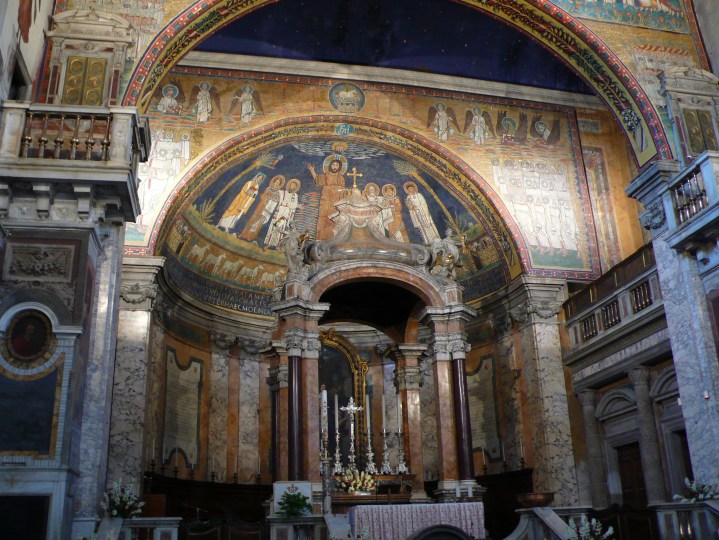
Almost opposite Santa Maria Maggiore is the Basilica of Santa Prassede, with frescos and superb mosaics in the apse and the little Chapel of Saint Zeno, which Pope Paschal built for his mother, Theodora.
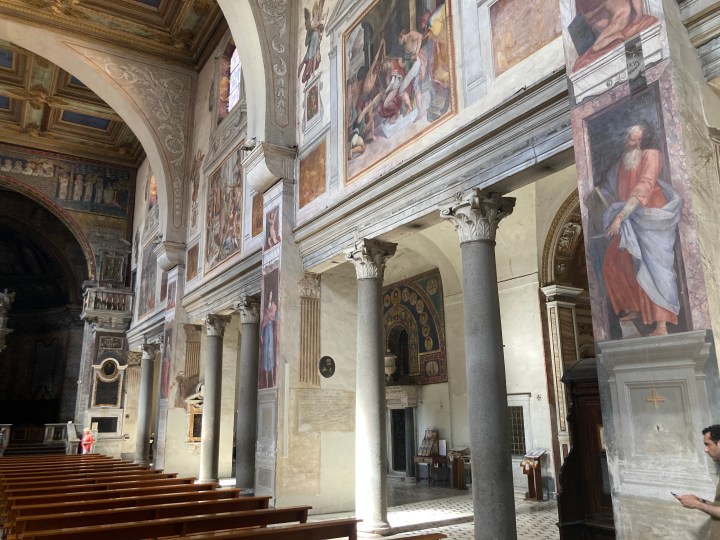
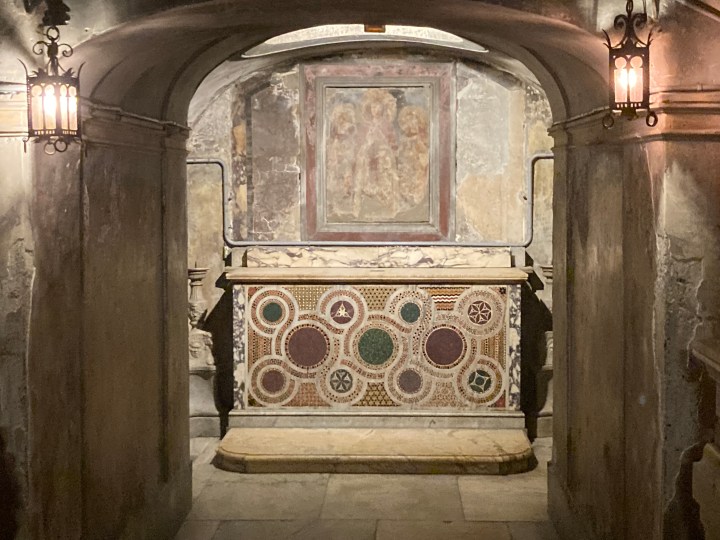
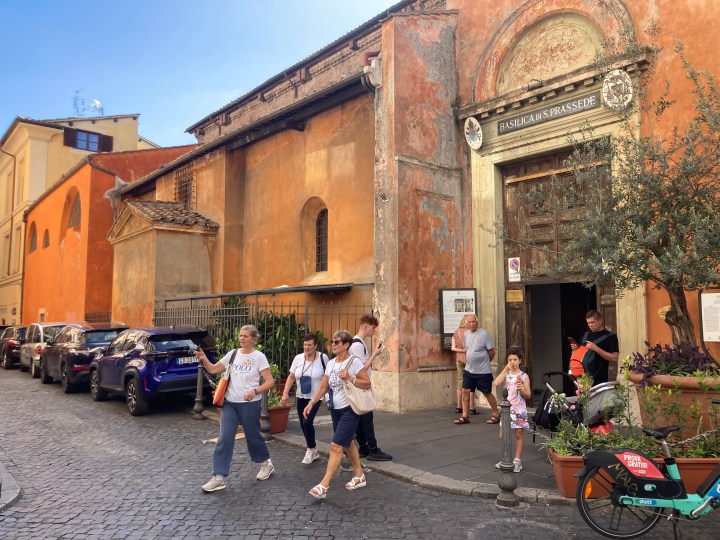
By now we were footsore
It was back to Beehive for a shower before heading out for an evening concert at the Theatre of Marcellus (pre-dating the Colosseum), which we’d pre-booked. We walked round it twice, but we could not find a way in. It became apparent that there was to be no concert there.
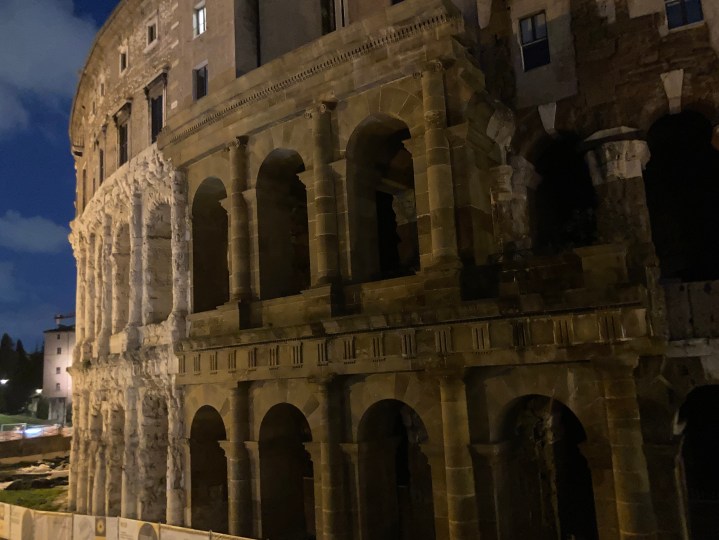
As it happens, the theatre is privately owned. Nice!
Another disappointment
After giving up and going for a consolatory negroni we discovered that the concert did in fact exist. It turned out to be a very modest affair: one pianist playing in a courtyard behind a church to an audience of a couple of dozen at most. We arrived very late. But no matter. We were in a particularly interesting part of the city: the ghetto, with buildings from every era and drinking fountains with ever-open taps.
It was another warm night, so we walked by moonlight alongside the gushing Tiber, passing the island on one side and the temples of the Forum Boarium on the other, until we reached Circo Massimo metro station. Unforgettable.
We dined late but well at La Lupa in Via Marghera near the Beehive: melon and ham to start, then tasty lamb chops for Anne and spaghetti alle vongole for me. That’s another recommendation for you.
Tuesday 16 September
Up at 08:00 despite a hangover, to take the metro from Termini to Piramide, then from Porta San Paolo to Ostia Antica, the ancient port of Rome.
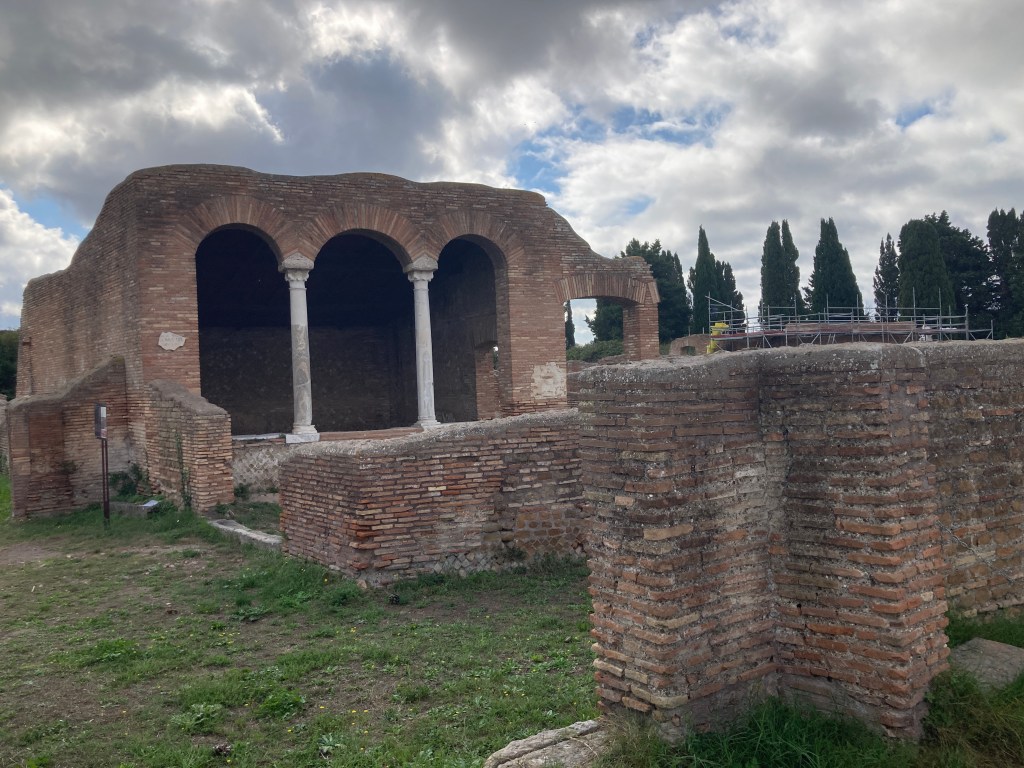
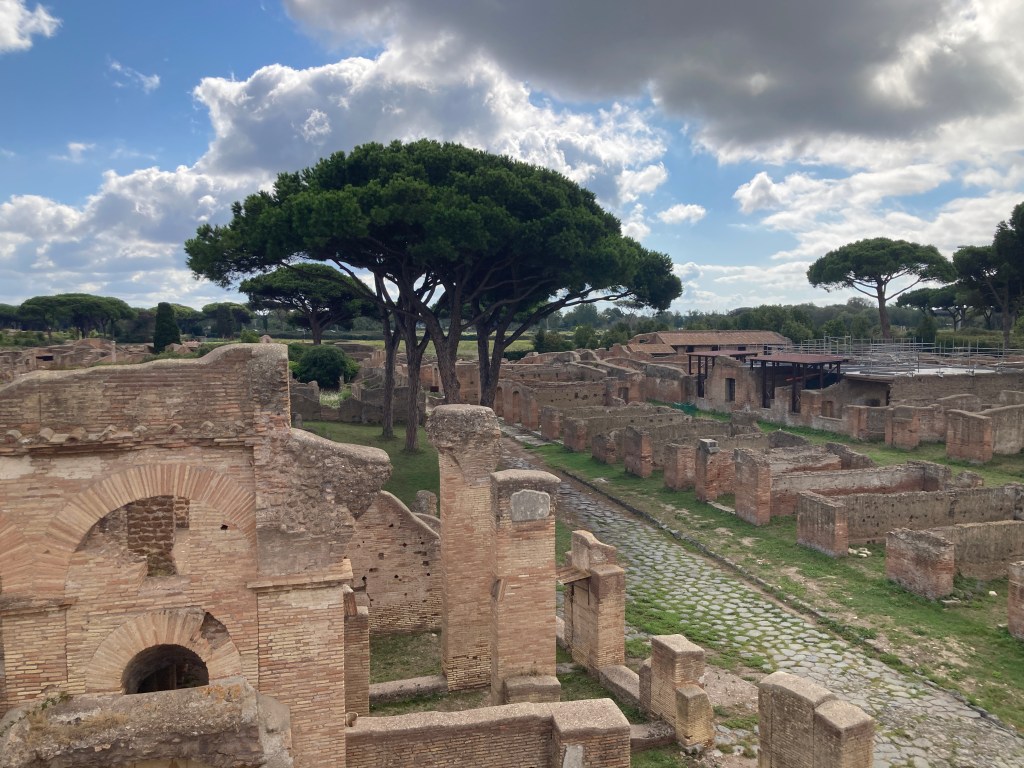
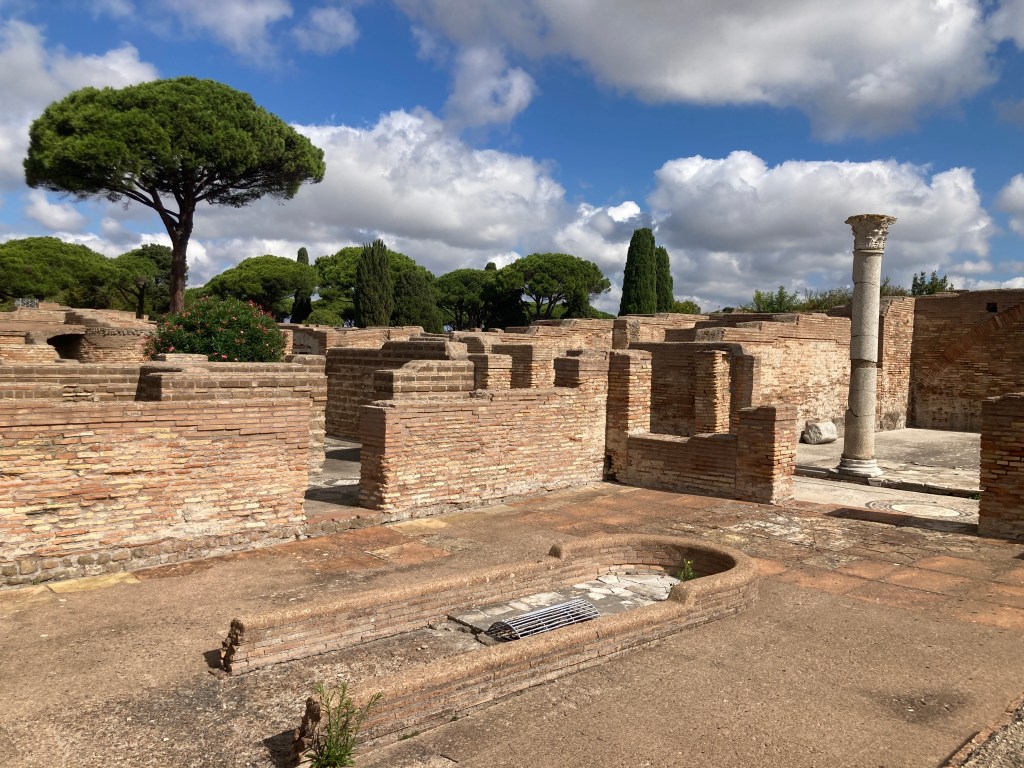
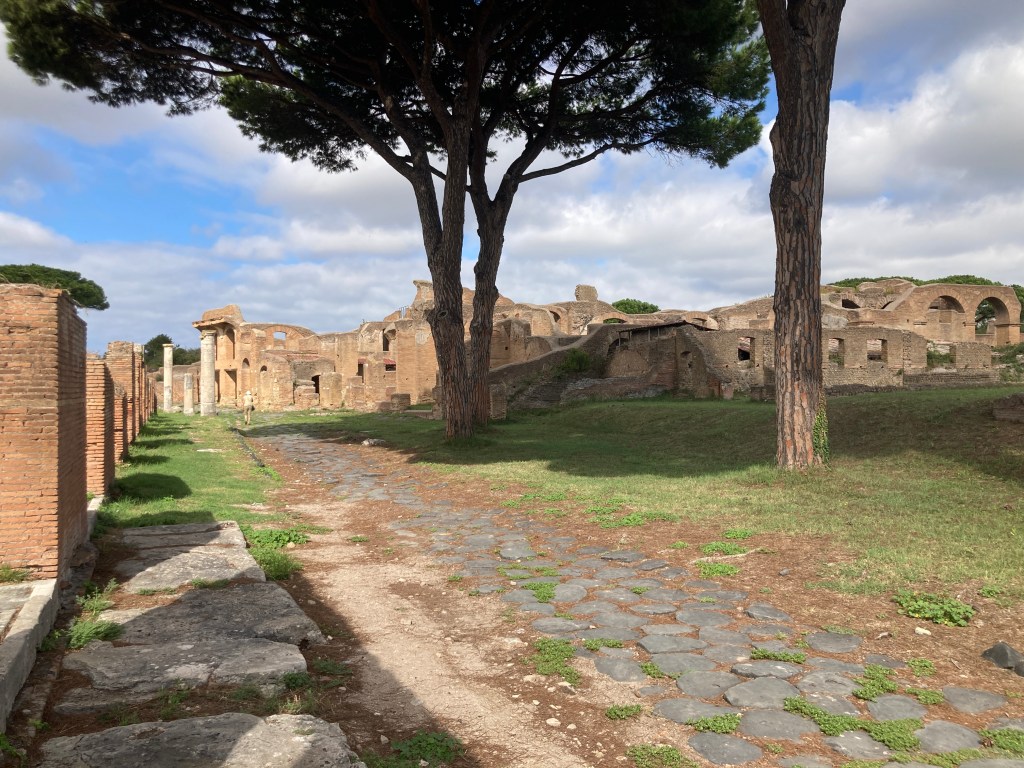
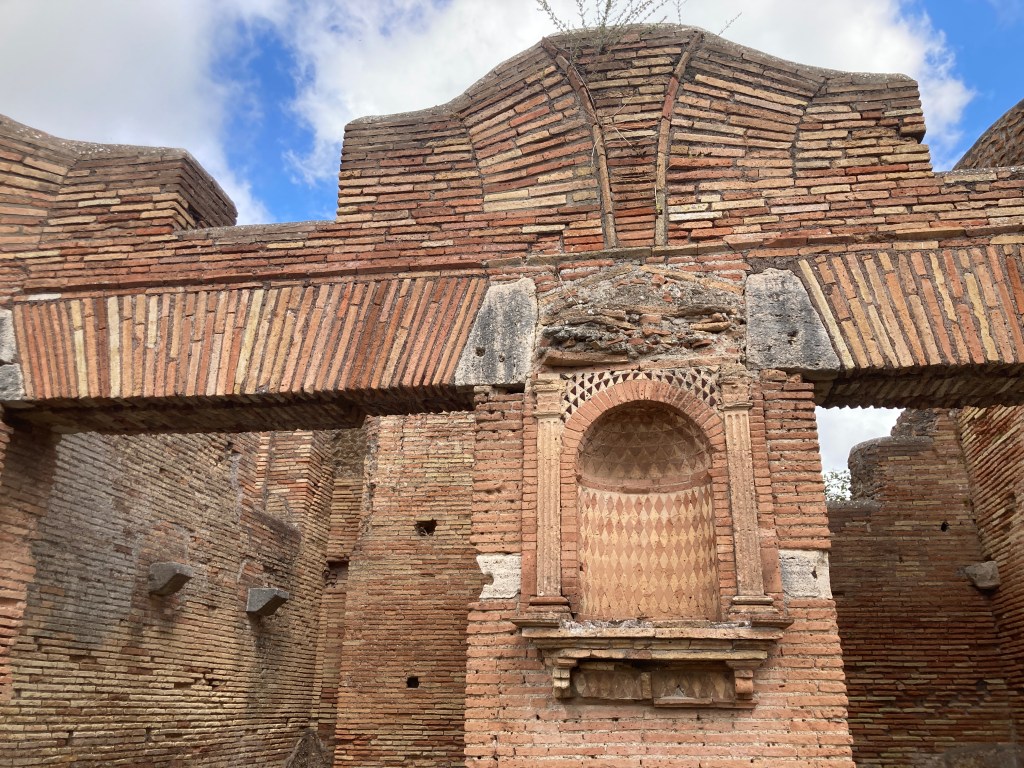
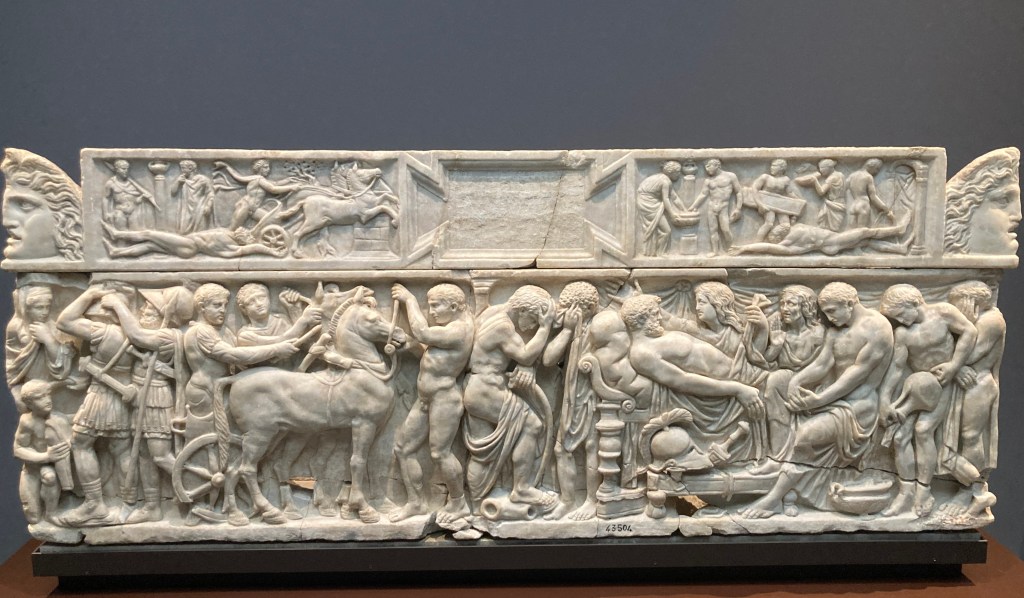
It is a huge site and, unlike Pompeii, it is not plagued by huge crowds. We arrived at 10:00, just in time to catch the electric cart to the far end of the site. We walked slowly back to the entrance, via the excellent museum, in two hours, though we could have spent much longer there.
***
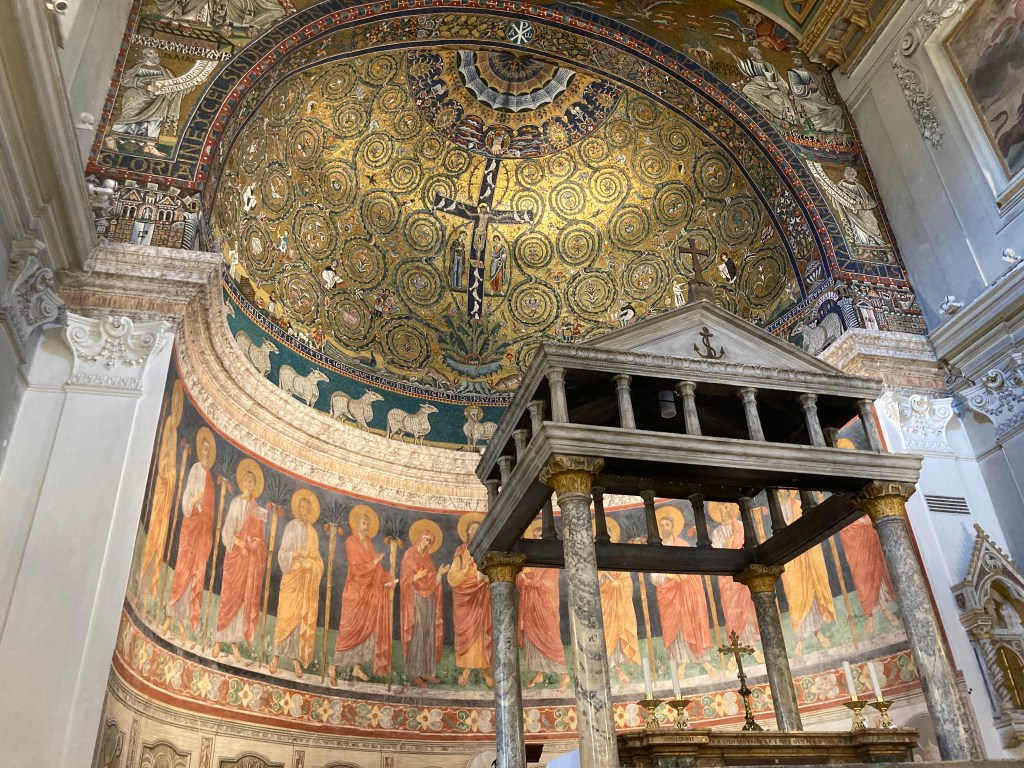
We took the metro back to Colosseo, stopping for a snack near the ancient Basilica of San Clemente, before tackling the church. In reality it is a complex of religious buildings on three levels – the lowest being an excavated house of the Roman era with a Mithraic temple.
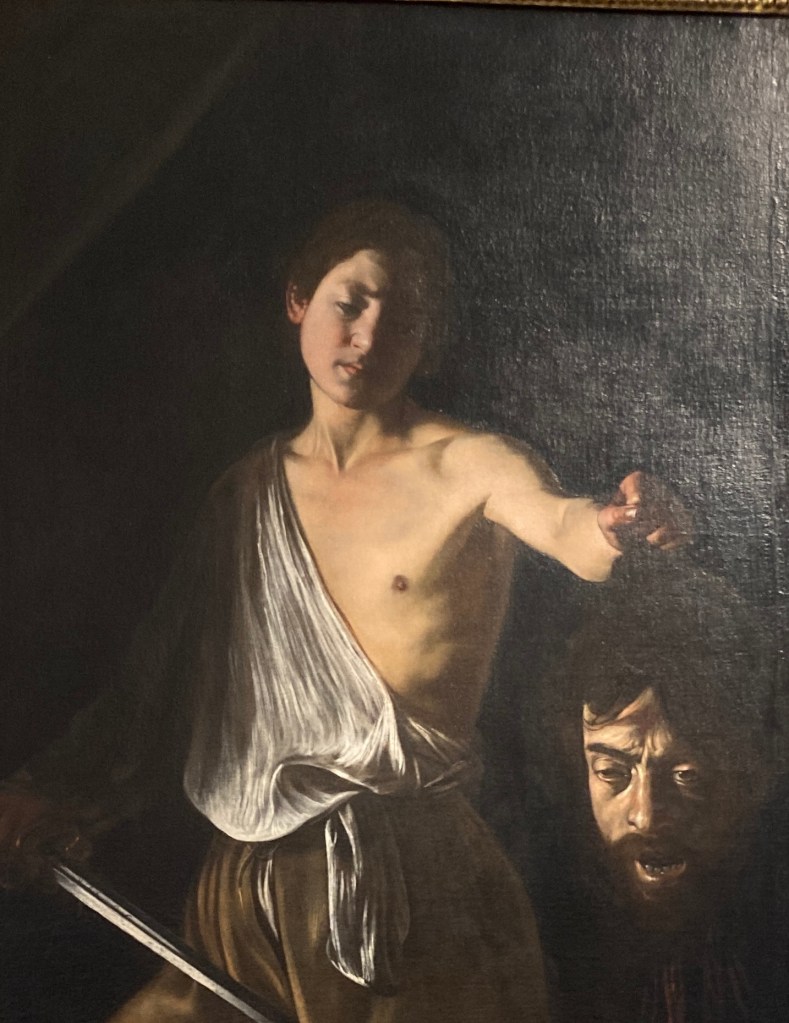
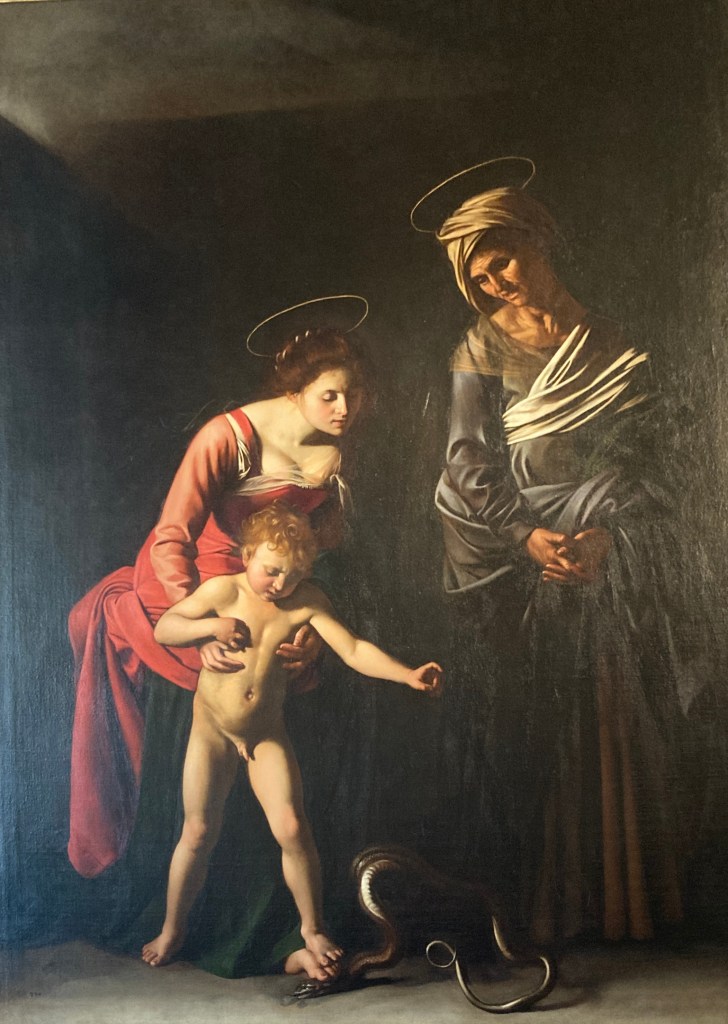
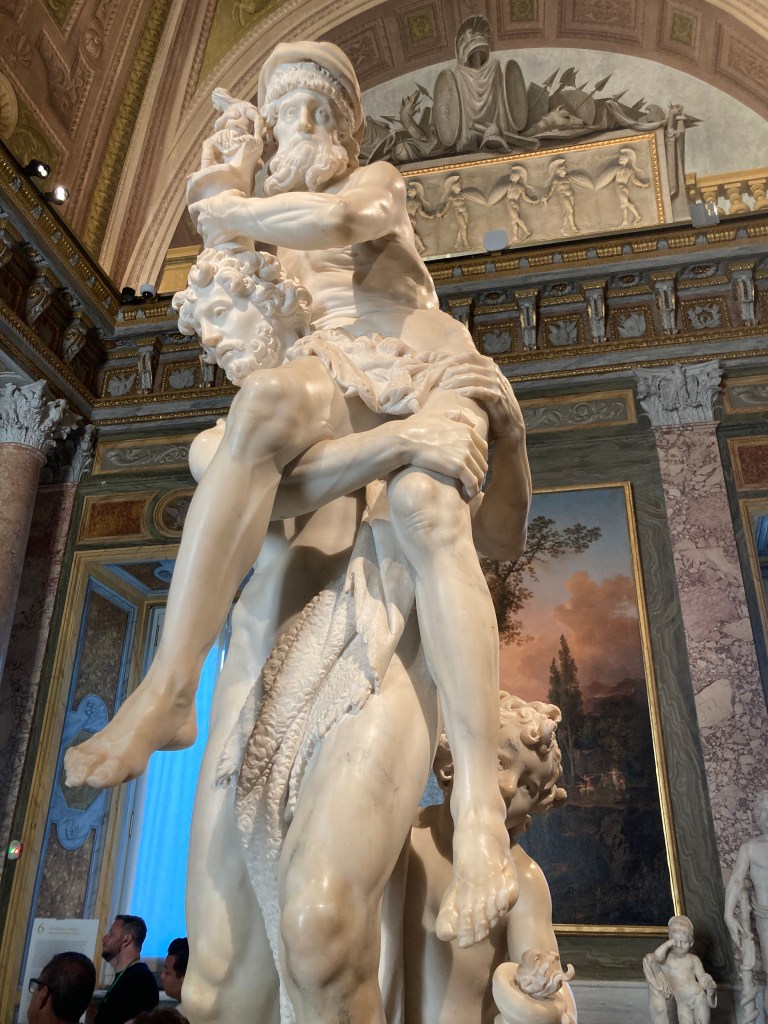
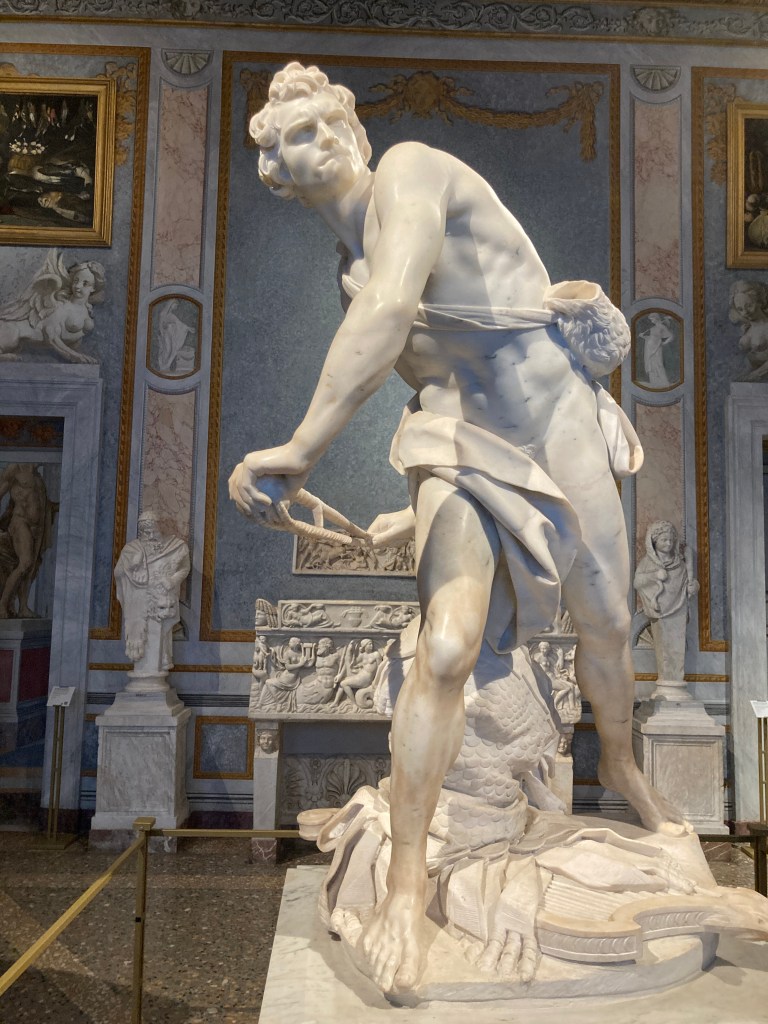
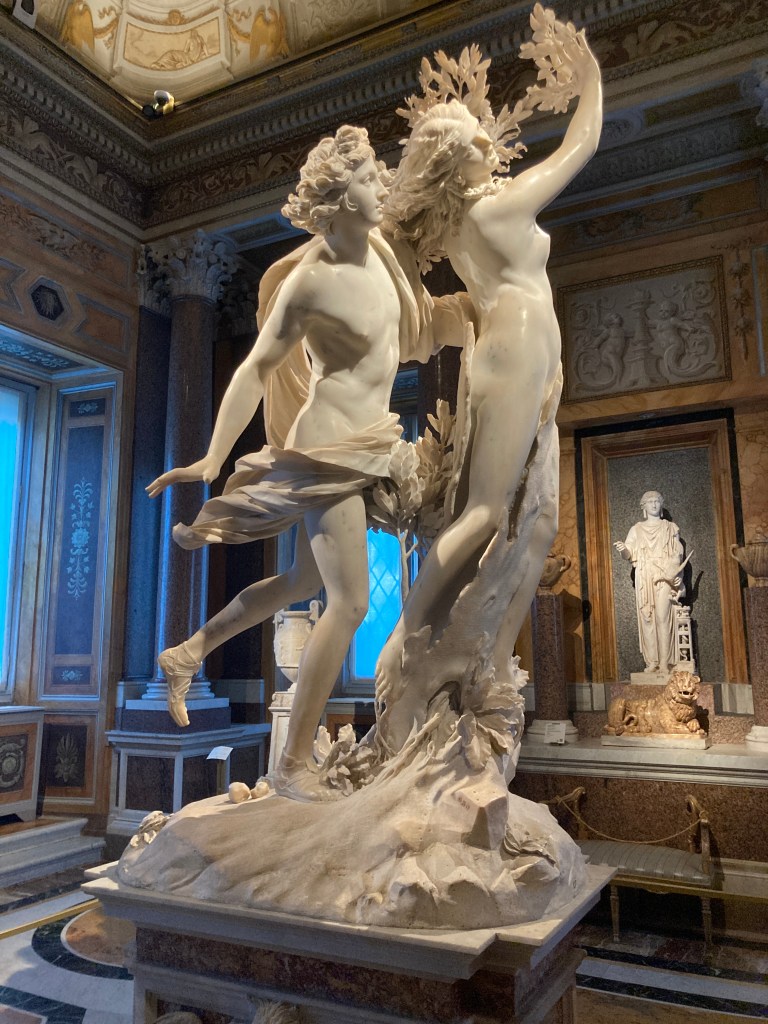
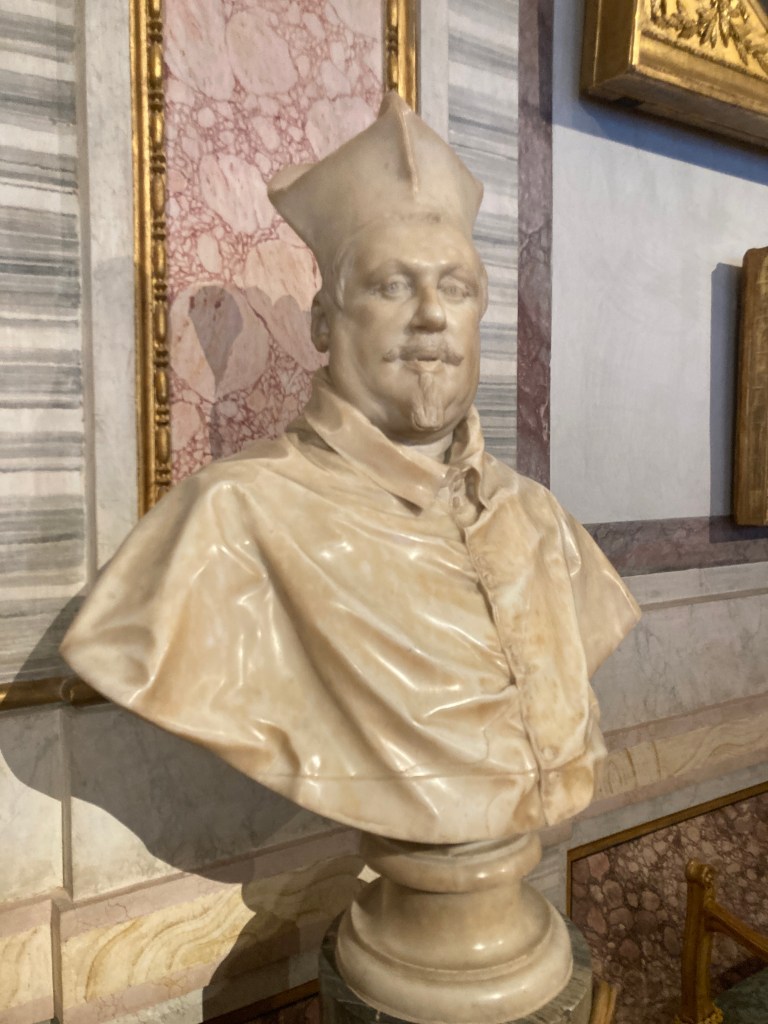
It was a very hot day, so we returned to the Beehive for a shower before taking a taxi to the Galleria Borghese. We signed up for a guided tour at 17:00 and it was most certainly worth it. This relatively small museum contains the most celebrated sculptures of Bernini, commissioned by Cardinal Scipione (1579–1633), nephew of Pope Paul V. As if that were not enough, there are also many fine paintings by Caravaggio, Titian, Raphael and Correggio). An incredible art store set in a beautiful public park.

***
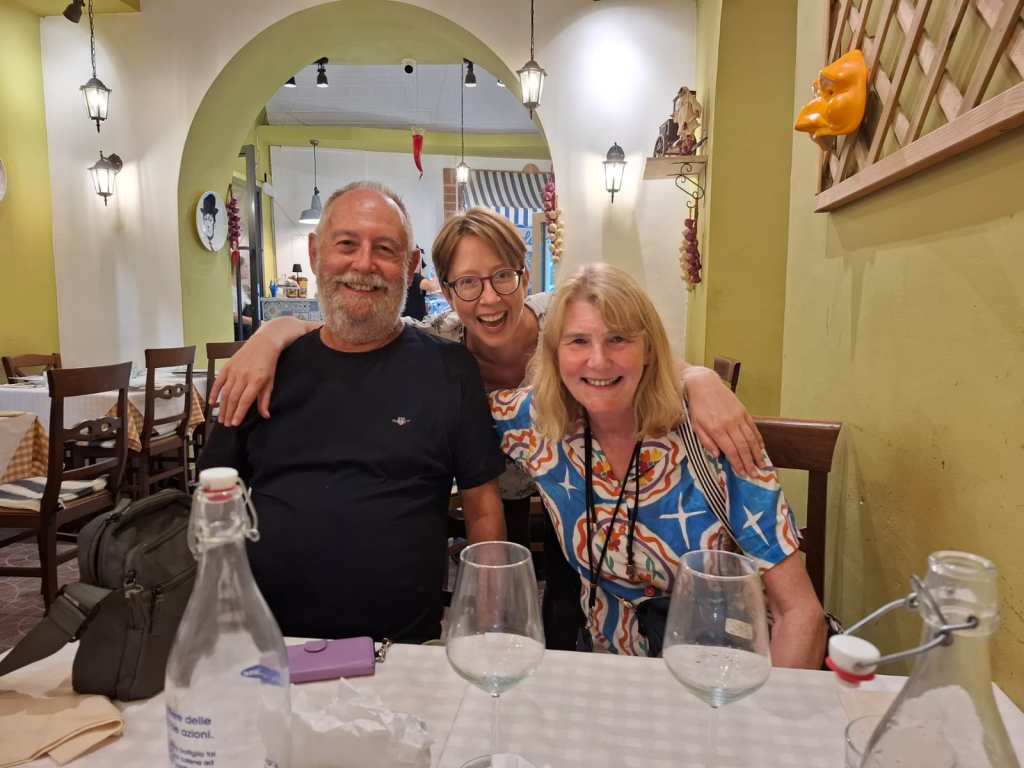
The day was not yet done. After what we told ourselves were well-deserved cocktails, we walked south to the Gino Capitone Neapolitan restaurant to meet Lucy, the daughter of one of my best friends who teaches at the university, and her boyfriend Marco. It was both good and cheap. In fact eating out in Rome is surprisingly cheap in general; you can easily get a pizza for eight euros.
It was starting to get dark as we walked back to the Beehive. Over 26,000 steps in total for the day and 30,000 on the day before, but it’s the only way to see Rome.
***
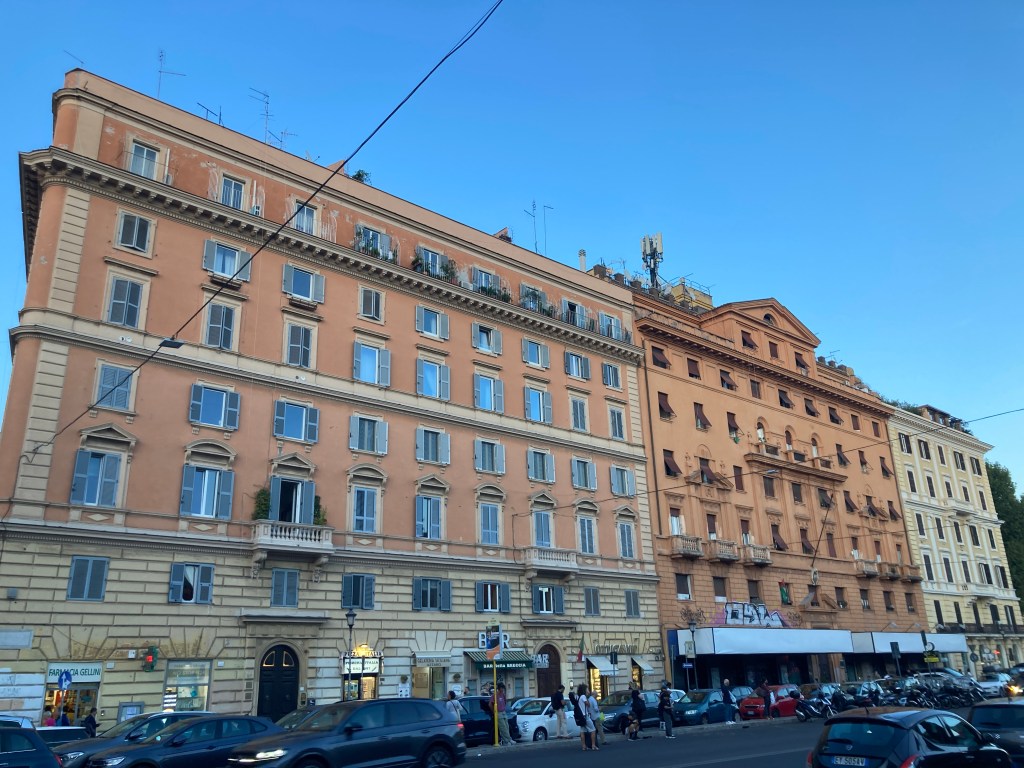
What a wonderful city! The famous sights, the art and antiquities, the food, the hotels, palaces and residential blocks (which the Ancient Romans would have called insulae) painted in pastel colours. And the warm and welcoming people. For example, whenever we crossed the road, we found the drivers to be patient and courteous – even if their reputation is not so benign!
We loved it
Tiime to move on, but with the firm intention of returning soon.
 The Wight Stuff